Fireground hazards announce themselves through heat, sound, and movement. Microbial hazards announce themselves through nothing at all. In the controlled chaos of emergency response, the most persistent danger often operates at scales invisible to the human eye. After three decades in fire and EMS, the microorganism that consistently demanded my respect was not dramatic or fast-moving. It was a bacterium capable of riding on fabric, plastic, skin, and steel with remarkable patience: MRSA.
The pattern appears most clearly on the routine medical calls that make up the backbone of EMS work. The dispatch describes flu-like symptoms, or dehydration, or general weakness. On arrival, the assessment relies on contact – kneeling beside a patient, steadying a shoulder, assisting with movement. Every action becomes a point of transfer.
According to CDC estimates, approximately one-third of the population carries staphylococcus aureus on their skin, and roughly one percent carries MRSA without symptoms.
This statistical reality means responders frequently enter microbial environments without any visible indication that bacteria are present. Gloves create a barrier for the hands, but uniforms, boots, straps, and equipment remain fully exposed to the microbial ecosystem of the scene.
Once a responder moves from patient to apparatus, the transfer chain expands. The interior of a rescue truck becomes a highly trafficked microbiological corridor. Stretcher rails, seatbelts, pressure cuffs, oxygen bottles, radio microphones, cabinet handles, and tablets form an interconnected network of surfaces capable of sustaining bacterial life.
MRSA is particularly resilient, with documented survival on hard surfaces for days to weeks. This longevity allows bacteria to persist through multiple calls, shift changes, and equipment uses, creating an environment where microbial presence can outlast the conditions that introduced it.
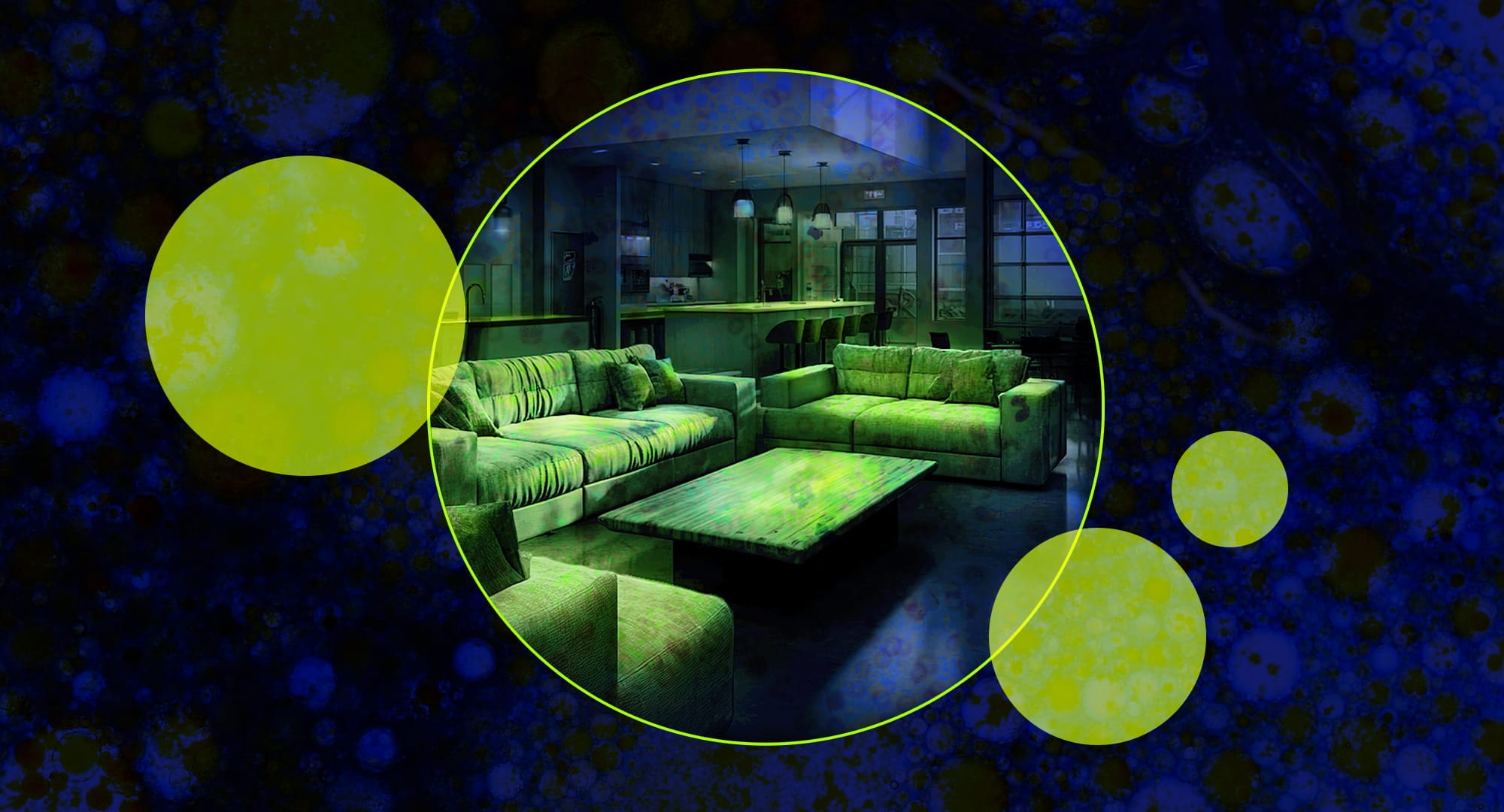
The fire station functions as the next critical node in this chain. Boots enter the bay. Gear is set down. Door handles, counters, gym equipment, computers, and furniture accumulate microbial deposits over time. The communal nature of firehouses — shared kitchens, shared recliners, shared tools — creates high-frequency cross-contact. In these closed systems, microbes require no dramatic mechanism of entry; they simply attach themselves to human routines.
The epidemiological impact is well-established. Annual MRSA-related deaths in the United States exceed those associated with several more publicly recognized diseases, including HIV/AIDS, emphysema, and Parkinson’s disease. The disparity between public awareness and clinical reality stems from the bacterium’s quiet mode of transmission. Unlike dramatic hazards, MRSA spreads through repetition and complacency — two conditions that thrive in busy stations with high call volume and variable cleaning practices.
The final and most consequential transfer occurs not in the workplace, but during the transition between work and home.
Responders may shower, change clothing, or follow standard decontamination steps. The overlooked items — phones, watches, belts, stethoscopes, radio straps, duffel bags, and boots — continue to serve as microbial transport vessels.
Studies show that MRSA can persist on uniforms even after laundering if water temperatures and detergents are insufficient to disrupt the bacterial membrane. Personal electronics and bags receive even less attention, creating direct pathways from occupational exposure to household environments.
Practical Measures To Interrupt The Microbial Transfer Chain
The concern becomes evident when responders consider the microbial exposure of family members, particularly children, elderly relatives, or immunocompromised individuals. Firefighters often accept risk for themselves with little hesitation, but the possibility of transporting pathogens into their homes creates an entirely different level of awareness.
Reducing microbial transmission does not require laboratory-level protocols. It requires consistent, evidence-based habits. These behaviors function not as grand interventions, but as incremental protective measures. Their cumulative effect shapes microbial pathways, reducing opportunities for bacteria to travel undetected.
MRSA does not differentiate between ranks or shifts. It responds only to opportunity. Each wiped surface, washed uniform, and cleaned piece of equipment reduces that opportunity. The measures are small but meaningful: a safer station, a safer crew, and a safer home.