We as firefighters do not get to choose the hazards that show up in our communities. We adapt to what’s built, what’s stored, what’s transported, and what’s changing.
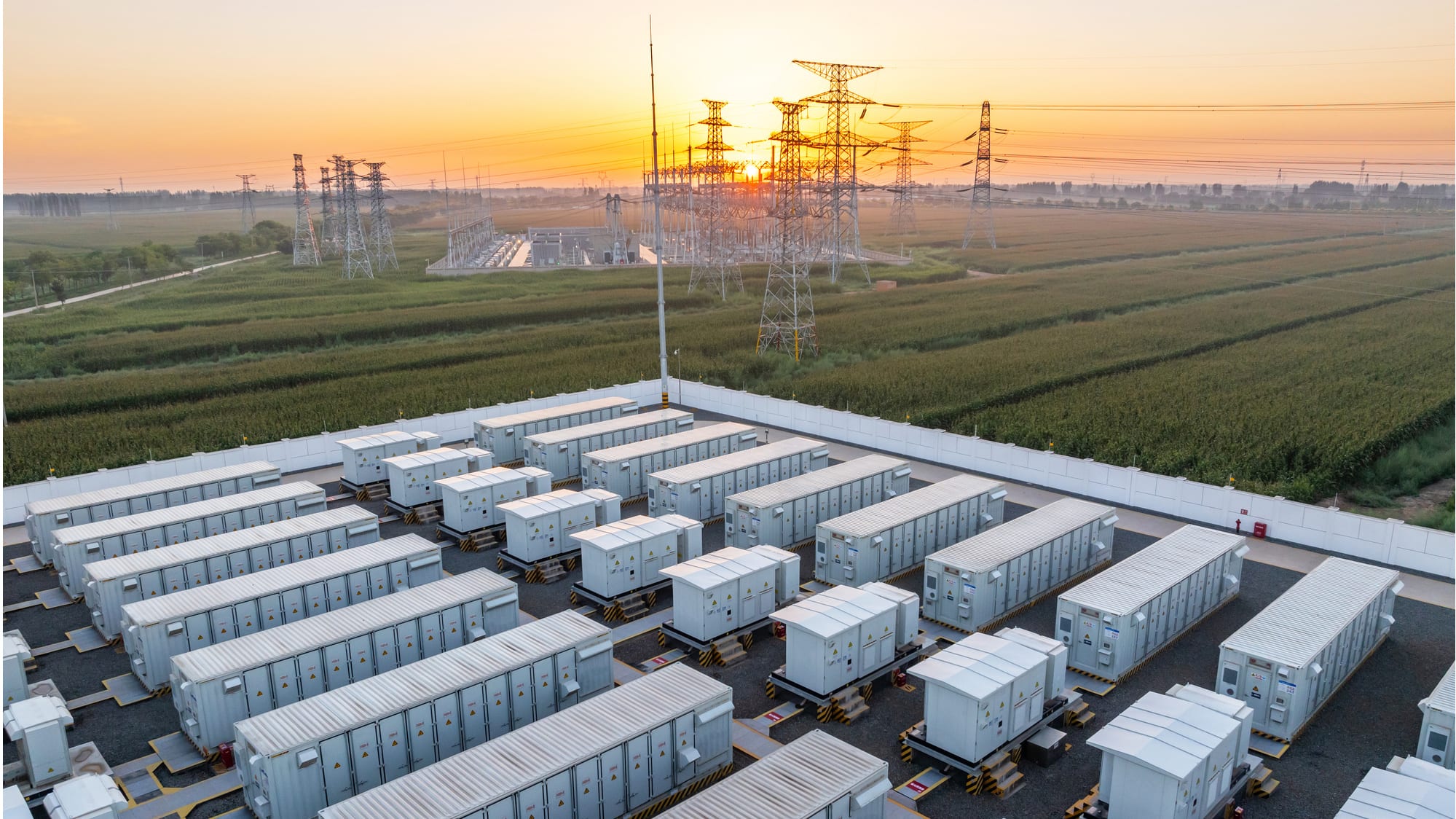
Battery energy storage systems, or BESS, are one of those changes. They are appearing more often because the electric grid is under real strain. Demand for electricity is rising. Extreme heat, cold, and storms are becoming more frequent. The job of keeping the lights on safely and reliably is getting harder.
Batteries help stabilize the grid by storing electricity and delivering it when the system is stressed, such as during heat waves or emergencies. They also make it possible to rely more on carbon-free energy by capturing power when it is produced and using it when it is needed. That matters not just for climate goals, but for public health.
Many disadvantaged and overburdened communities are located near older, fossil-fuel peaker plants that run during periods of peak demand. Energy storage helps reduce reliance on those plants, cutting local air pollution and improving health outcomes in the same neighborhoods firefighters are called to protect every day.
With that growth has come a fair question from the fire service and the public: are these sites safe?
New York’s answer has been to do what we ask every day of our own profession: learn from incidents, apply the data, and improve the playbook. Over the last two years, New York State convened an interagency Fire Safety Working Group, reviewed incidents, evaluated existing standards, and then updated the fire code to strengthen requirements for prevention, emergency planning, and firefighter coordination. In short, the state did not shrug and hope for the best. It proactively worked with fire safety experts to create one of the most robust fire codes in the country.
This matters for one simple reason: the best fire is the one that never happens. And when something does happen, the safest outcome is the one that’s planned for, trained for, and resourced.
What the Data Says so Far
There is no such thing as “no risk” with any electrical infrastructure. But we should ground the conversation in outcomes and evidence, not headlines.
After fires at battery storage sites in Jefferson, Orange, and Suffolk Counties in 2023, New York’s interagency working group reviewed available air, soil, and water data collected after those incidents. Their conclusion was straightforward: no reported injuries, and no harmful levels of toxins detected in the available analyses, with no evidence of significant off-site migration of contaminants associated with the fires.
That does not mean we stop improving. It means the safety systems and response protocols are doing what they are supposed to do, and we keep building on what works.
The 2025 New York State Code Update, in Plain Language
New York’s updated Uniform Code, including the 2025 Fire Code, took effect Dec. 31, 2025. The provisions build on national standards like NFPA 855 and incorporate the Fire Safety Working Group’s recommendations.
Here is what that looks like in practical terms:
1. Independent peer review for larger systems
For battery storage projects above certain size thresholds, the state now requires an industry-funded, independent technical review. Translation: complex designs and technical reports do not just land on an Authority Having Jurisdiction’s desk with a “trust us” cover letter. A qualified third party is required to scrutinize the design and safety approach.
2. Trained, knowledgeable support ready immediately
One of the most important updates is about who shows up, and how fast. The code update requires qualified personnel or representatives with knowledge of the specific installation to be available for dispatch immediately, and to arrive on site within a defined time window to support local emergency responders. This means local departments are not left guessing about a proprietary system during an active incident.
3. Clearer, expanded signage and site mapping
The updated requirements extend safety signage beyond the battery units to include perimeter areas, and include site maps showing enclosures and key equipment. This results in faster situational awareness and fewer blind spots on arrival, especially at larger fenced sites.
4. Emergency response plans and site-specific training
Every BESS facility must have an emergency response plan, and local fire departments must be offered site-specific familiarization and training tied to that plan. This leads to fewer surprises, better pre-planning, and a response framework that reflects the site you actually protect, not a generic template.
5. Central, real-time monitoring for fire detection and alarm notification
The code strengthens requirements around 24/7 monitoring of fire-detection systems by a central station service, ensuring timely notification to the local fire department when alarms trigger. Translation: better detection, better notification, fewer delays.
6. Regular special inspections
The state adds periodic, industry-funded special inspections with defined criteria. This means safety is not a one-time permitting event. It is validated on an ongoing basis, with verification of things that matter to responders, like emergency contacts, system layouts, and required safety features.
Why These Changes Matter to Firefighters
If you strip away the politics and the noise, fire code is about two things: preventing bad outcomes and reducing uncertainty when something goes wrong.
Battery incidents can involve thermal runaway, extended heat, and a response that prioritizes isolation, cooling where appropriate, and controlled management over aggressive interior-style suppression. That is not new for the fire service. We already manage hazards where containment, monitoring, and scene control are the safest play.
What is new is the equipment, the operating software, the scale, and the pace of deployment.
New York’s update responds directly to those realities. It pushes more expertise into the front end through peer review. It puts responsibility on owners and operators to support responders quickly. It makes information clearer at the fence line. It requires real planning and training with the local department. And it introduces recurring inspections so safety does not drift over time.
None of this replaces local decision making or department SOPs. But it gives chiefs and responders something we always want: a stronger baseline and fewer unknowns.
What “Working” Looks Like
The strongest test of a safety framework is not whether incidents occur. It is what happens when they do.
When a battery incident is contained to the unit or enclosure, when there are no injuries, when there is no evacuation driven by toxic exposure, when monitoring confirms limited impact, and when responders have access to timely technical support, that is not luck. That is systems engineering, code, and planning doing their job.
That is the point of these updates: make the most likely outcome the safest one.
A Practical Call to Action for Departments
As these projects come into your jurisdiction, I encourage a simple checklist:
- Ask for the emergency response plan early, and make sure it is written for first responders, not just facility staff
- Require a site walk-through and training
- Confirm points of contact and response expectations, including who is dispatched and how quickly they arrive
- Make sure signage and site maps are visible, current, and match what is actually installed
- Coordinate on water supply, access, staging, and any local constraints that affect tactics
- Document lessons learned after drills and incorporate them into SOPs
BESS is becoming part of modern infrastructure. New York State looked at real incidents, reviewed real data, and strengthened the rules in ways that matter to firefighters and communities.
We should keep demanding high standards, rigorous enforcement, and consistent training. We should also acknowledge progress when it is made.
The updated New York code is a step forward: clearer requirements, stronger accountability, better coordination with the fire service, and a safety framework that is designed to perform under stress.
Paul Rogers is the co-founder of ESRG and a New York-based fire safety expert supporting energy storage and other critical infrastructure projects. He’s also a retired FDNY lieutenant with 25 years of service, primarily in the Hazardous Materials Battalion.