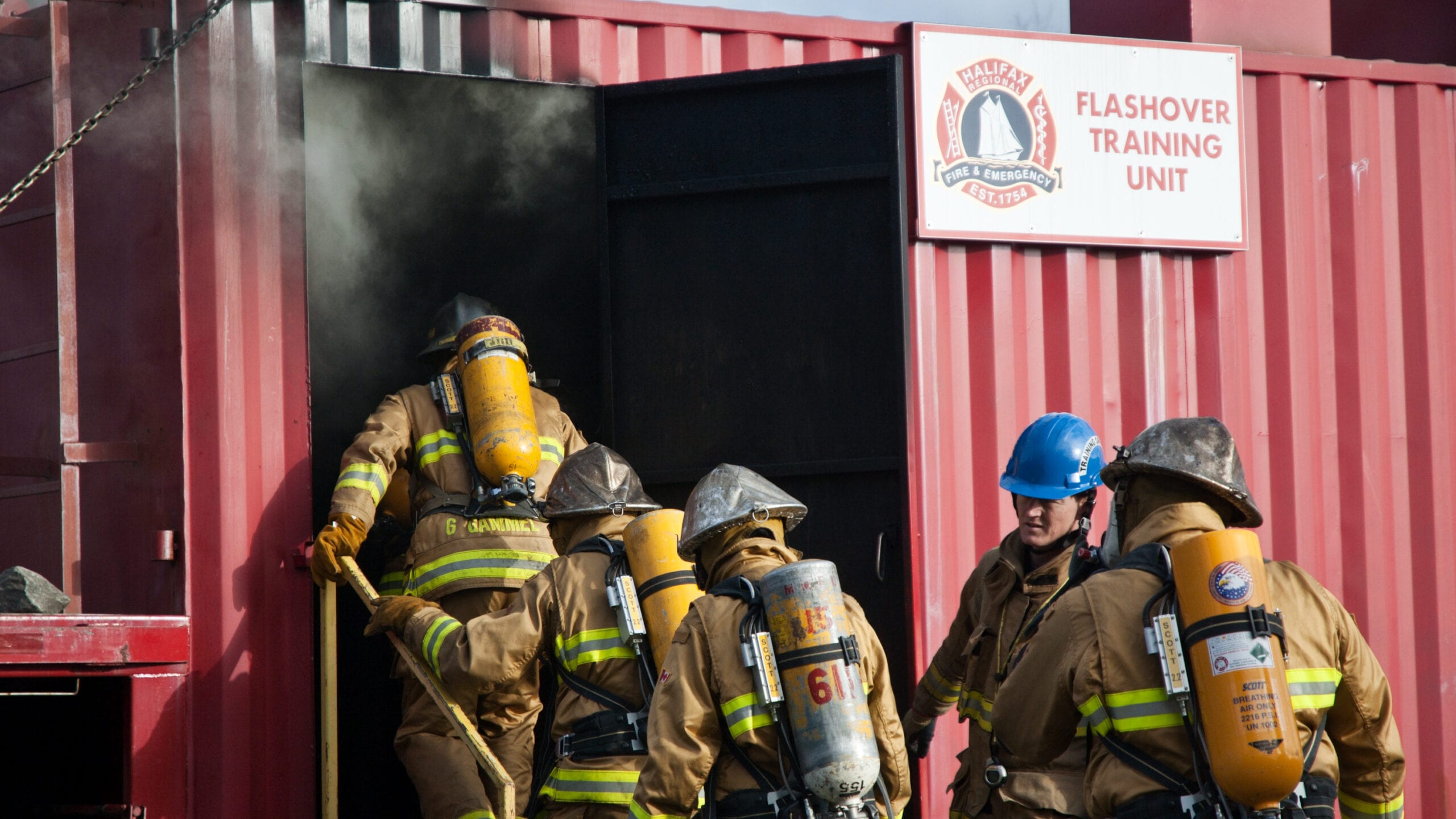
In Massachusetts, the State Fire Academy has been a 10-week program that culminates in Pro Board Firefighter I/II certification and Hazardous Materials Operations–level certification. The academy does a good job preparing recruits to pass the test and teaching foundational skill sets, but it naturally falls short in replicating the real-world, street-level application of the job.
When recruits graduate and return to their firehouses, they are often eager and motivated to continue learning. How that transition unfolds varies widely from department to department and depends heavily on organizational structure, the presence of a training division, and available resources. This article focuses on the scenario where those resources and that structure are limited for probationary members returning from academy life.
At my previous department, there was a lack of formal guidance and structure for new firefighters. This is not a criticism of that organization; they simply did not have the resources in place to support growth through a defined process. I returned to the firehouse excited to begin my journey and develop my skills and knowledge, but the culture was not strongly rooted in learning and improvement. There was a sense of stagnation. I sought out the senior firefighters we often hear about and tried to pull people out of the recliners to train, but I came up short.
Looking Inward and Building Discipline
That experience forced me to look inward. I realized I knew what the standard should be, and I wasn’t willing to let my circumstances dictate the type of firefighter I wanted to become. What followed required discipline and consistent effort — two qualities that every new firefighter must develop and refine. With discipline, you can become the firefighter you aspire to be.
Once you understand that training is the foundation of success, your focus naturally shifts.
Training and drilling should be rooted in real-world, street-level functions. Look at your department’s response model, staffing levels, and priorities, and build drills around them. This helps develop true fireground instincts. Does your department operate based on priority or sequential tasking? Those answers shape how you function on scene and where you can make yourself most effective.
Mastering the Basics and Expanding Knowledge
This means mastering the basics at a high level: masking up with gloves on in less than 20 seconds, throwing ground ladders as a single firefighter, stretching an attack line, donning PPE efficiently, and practicing single-firefighter forcible entry techniques, among many others. Hold yourself to the national standard, not just the standard of your department. Do not accept mediocrity. It is easy to become comfortable if you are the best within your organization. Growth requires looking beyond your department to understand what “good” truly looks like.
Another critical piece is reading. Read anything that will make you a better firefighter. While fire service–specific material is essential — and I believe you should read something fire-related every day — expanding your knowledge beyond that is also valuable. Know your buildings. Know your response district. Dive into UL and NIST studies and understand the science that now defines our profession. Fire dynamics, in particular, is an area that demands attention early in your career. Being able to read smoke, understand fire behavior, and anticipate how fire will react directly impacts your position, tactics, and safety on the fireground.
As your growth continues, you’ll likely start seeking out seminars and conferences across the country. Identifying leaders in the profession and learning from expert instructors is essential to becoming a well-rounded firefighter. The fire service is dynamic and constantly evolving. We cannot afford to exist solely within the bubble of our own departments. Exposure to different perspectives and methods gives you options and flexibility when it matters most.
Becoming a Leader Through Action
Along the way, something important happens — you begin to draw attention. Even if no one says it out loud, other members notice the effort. This leads into the leadership component.
Leadership is not tied to rank. A probationary firefighter, just like any member of the organization, can be a leader through attitude, discipline, and commitment to the job.
When you’re masking up on the bay floor or drilling on your own, someone will eventually walk by and ask what you’re doing. That moment is the first step toward building a healthy learning culture. Maybe that firefighter joins you. Maybe the next new hire does. Take them under your wing and show them the way. This responsibility doesn’t belong solely to officers, it belongs to everyone.
Shaping Culture and Leaving a Legacy
By consistently doing the right things, you will naturally begin to build a following. Nurture it by leading through example, challenging cultural norms, and remaining open to new ideas. Support those around you so they, in turn, can influence others. Like everything in the fire service, this is a long game — a slow uphill climb — but small actions compound into meaningful change over time.
If there is one takeaway from this article, it’s this: be the firefighter you aspire to be. Train hard, stay disciplined, and everything else will follow. Leadership is attainable at the probationary level, and attitude and effort are everything. I wish I had all of this figured out when I first got on the job, but in time, I carved my own path — through failures, persistence, and a lot of training.
Dan Murray is a lieutenant and training officer with the Attleboro (MA) Fire Department, where he has served for eight years. He brings 16 years of fire service experience, having started his career as a volunteer with the Union Fire District of South Kingstown, Rhode Island, and is a Massachusetts Fire Academy instructor and a graduate of the National Fire Academy’s Managing Officer Program.