
Cancer is complicated. I think we can all agree on that. The more we have explored cancer in the fire service through CRACKYL, the more I have realized there probably isn’t going to be one article, one study, or one person who gives us everything we need to understand it.
Over the past two years, we have published two special editions, titled Focus on Cancer in the Fire Service. They are dedicated entirely to firefighter cancer, and created in partnership with the Firefighter Cancer Support Network and others doing important work in this space. You can download the latest, Volume 2, here. We have shared stories from firefighters who have been diagnosed, looked at prevention and early detection, talked about supporting someone through treatment, explored recovery and life after diagnosis, and tried to give firefighters and their families somewhere to go when cancer becomes part of their lives.
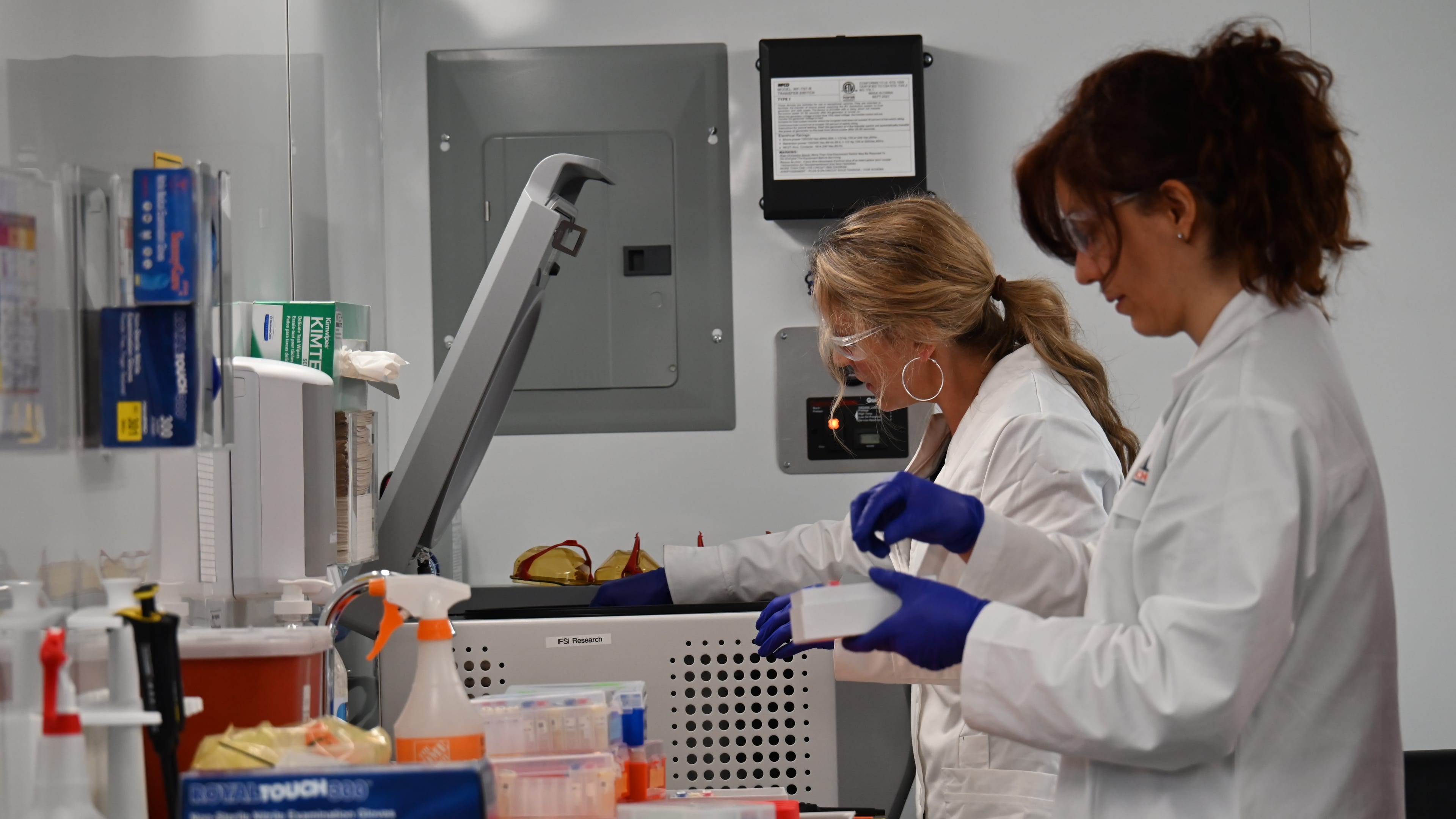
We may not have every answer, but we can keep bringing together what we know, the people doing the work, and information that helps us understand more. That is how I see the work of Dr. Crystal Sweeney and the research team at the Illinois Fire Service Institute, including her article, The Cocktail No Firefighter Wants. It adds another piece to that conversation by helping us understand something most of us have heard plenty about but probably do not fully grasp: what actually happens when the various chemicals firefighters are exposed to begin interacting with one another inside the body. Cancer has given us enough reasons to keep asking questions. What we need now are people who can help us understand the answers. I think we found one.
What Crystal has done exceptionally well is take a piece of the cancer conversation that could become almost unreadable for someone like me and make it accessible without stripping away the science. She writes about what happens when firefighters are exposed to complex mixtures of chemicals: how those chemicals enter the body, where they go, how they are processed, and how they eventually leave. She gives us absorption, distribution, metabolism, and elimination, then puts those ideas into terms that make sense in the world we actually work in.
The Chemistry We Can’t See
What I found even more useful was the way Crystal explains what happens when exposures begin interacting. This is where it gets interesting to all of us on this side of suppression. We tend to talk about benzene, PFAS, soot, VOCs, and other contaminants individually because it is easier to organize the conversation that way, but that is not how a fire works. We are exposed to mixtures created by everything burning around us, and those chemicals can behave differently when they are together. Sometimes their effects may add together. Sometimes one chemical can influence how another gets through the skin or how the body processes it. In other cases, the combined effect can become much greater than exposure on its own. Crystal reduces an incredibly complicated idea to the difference between one plus one equaling two and one plus one potentially looking more like 20. Good to know, but not good for us.
Crystal also explains that, unfortunately, there is no conclusion yet. In fact, one of the biggest takeaways is how much researchers still do not know about the mixtures firefighters encounter and how those combinations behave inside the body. Traditional research has often examined chemicals individually, whereas a firefighter can encounter hundreds or thousands of chemicals in combinations that have never been studied directly. Add dose, timing, route of exposure, heat, dehydration, and individual susceptibility, and you begin to appreciate why this work is so difficult.
I want to understand more about how exposures compound, which combinations matter, what we are learning about the body’s ability to process them, and what practical decisions we can make while researchers fill in the gaps. My takeaway is that our exposures may be worse than I originally thought, and that puts even more importance and ownership on prioritizing decon measures and limiting overall exposure whenever possible. That isn’t always a reality for us, but we shouldn’t default to ignorance either.
From Research to the Fireground
This is exactly why we need to keep collecting, publishing, and sharing work like this. Cancer in the fire service is too complicated for any of us to pretend we have the definitive answer. Still, we can continue building a place where firefighters can find credible information, supported by organizations working tirelessly for the fire service, for our brothers and sisters battling cancer or living beyond it, and for the continued advancement of prevention, screening, and early detection.
And the truth is, we are not going to make cancer simple. What we can do is keep making what we learn understandable enough to use, memorable enough to share, and valuable enough that the next firefighter does not have to start from zero.
One more thing: If you have not signed up for the National Firefighter Registry for Cancer, do it. More than 53,000 firefighters have already joined, helping researchers build the strongest possible picture of cancer risk across the fire service. Career or volunteer, active or retired, with or without a cancer diagnosis — your information matters. Join the National Firefighter Registry for Cancer