
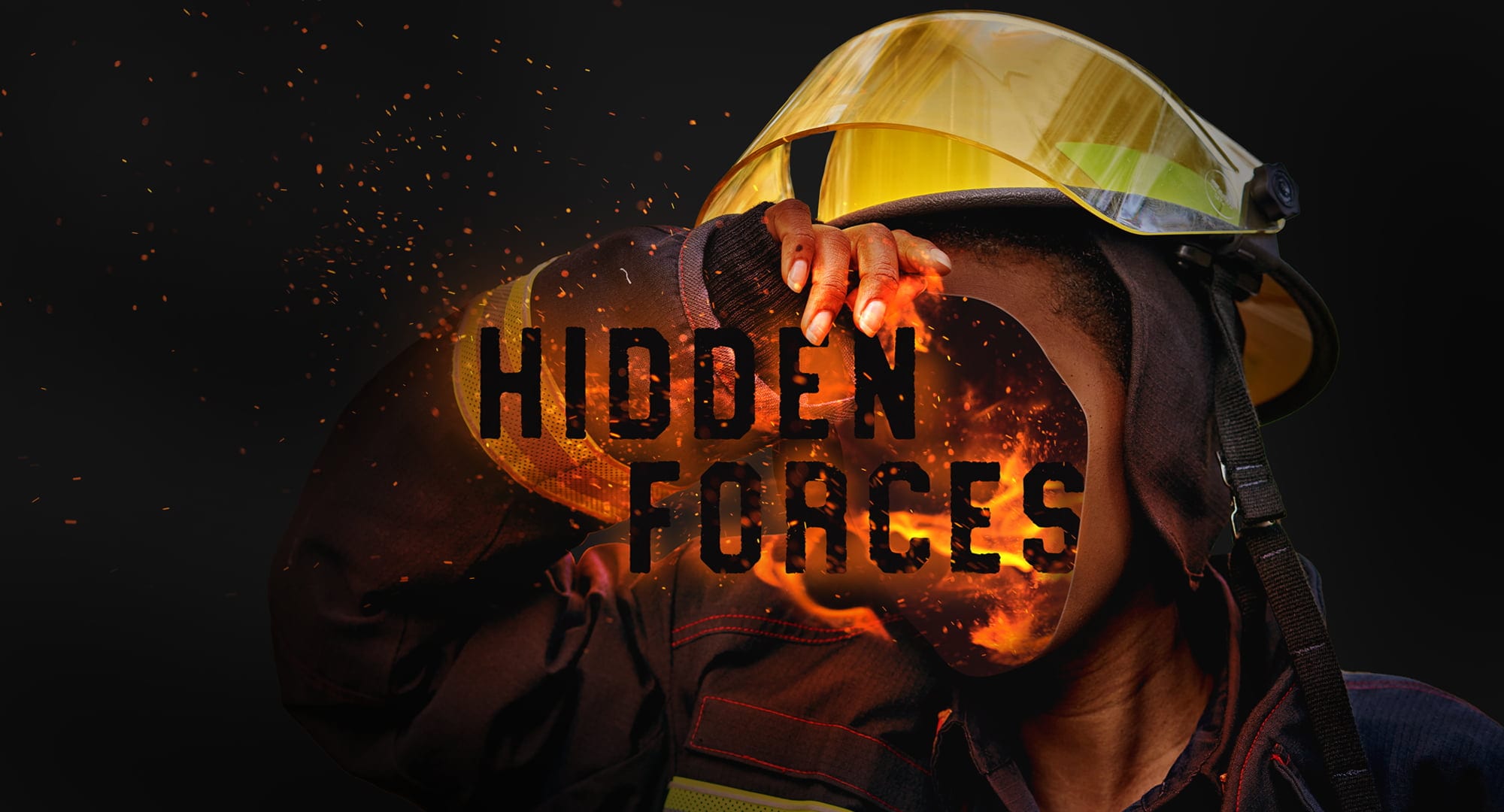
Beneath the layers of protective gear and rapid response protocols lies a complex biological and psychological landscape that influences a firefighter’s performance, decision-making, and ultimate ability to save lives. Understanding these hidden forces isn’t just academic; it’s critical for optimizing outcomes in the face of complex and ever-changing emergency scene environments, including the chaos, danger, and challenges of reducing death and disability.
Emergency responders operate in environments that push the limits of the human body and mind, battling heat, toxic smoke, and exertion that strain their cardiovascular and respiratory systems. Stress, as explained by Dr. Robert Sapolsky, triggers hormones such as adrenaline and cortisol, preparing the body for fight-or-flight. While essential in emergencies, chronic stress can harm brain function and contribute to anxiety and depression.
But the challenge extends far beyond the physical.
The mental burden is immense. Making rapid decisions in a dangerous environment, amidst emotional trauma, can create intense psychological arousal. These impacts affect both cognitive and psychomotor performance.
Decision-making, already a high-stakes endeavor, is further complicated by incomplete information, time pressure, and the insidious influence of cognitive biases. For example, one such bias is confirmation bias. This happens when a responder seeks only information that confirms an initial (and potentially incorrect) assessment. The availability heuristic is our brain’s natural tendency to assign the most importance to that which is easiest to recall can cause us to overestimate rare events due to vivid past experiences. These biases, if unchecked, can lead to serious judgment errors.
Human factors can be direct and/or indirect – such as lack of sleep, unfamiliarity, or even executive pressures (departmental) – which adds another layer of complexity. The very environments that shape a responder’s worldview can also dictate their coping abilities and reaction to stimuli. For example, a culture that rewards stoicism can inadvertently discourage personnel from seeking help for mental health struggles, exacerbating the silent suffering that is a known precursor to burnout and substance abuse.
The goal, then, is not to eliminate these biological and psychological responses – for many are essential for survival – but to equip responders with the tools to recognize, manage, and even leverage them. Elite training programs, such as those of the Navy SEALs, employ Stress Inoculation Training, progressively exposing individuals to escalating stressors in controlled environments. By desensitizing trainees to the potential chaos they might encounter, it allows them to practice maintaining cognitive function under extreme duress.
The same principle applies to first responders. Repeated, realistic scenario-based training helps build a mental library of patterns and promotes recognition-primed decision making. As experienced responders encounter familiar cues, they can bypass lengthy analytical processes, enabling rapid, effective decisions based on learned pattern instincts.
However, recognizing when to engage and when not to is equally crucial. Developing Firefighter Resilience, a text focused on positive psychology for first responders, emphasizes the importance of building emotional wellness and self-efficacy. It advocates comprehensive training that includes not just technical skills but also stress-regulation techniques and mental preparedness.
Until recently, we had limited data on the impact of stressors during firefighting activities. This is why techniques like tactical breathing can help regulate the stress response by controlling the breath, allowing for a critical “tactical pause” before acting. It’s prudent that both leaders and peers be trained to recognize these signs in others. It fosters a culture where asking for help or stepping back from an overwhelming situation is seen as a sign of strength, not weakness. A mayday call shouldn’t be limited solely to physical emergencies; recognizing and acknowledging a cognitive or emotional mayday is equally vital to prevent catastrophic errors while preserving long-term well-being.
Ultimately, optimizing performance in high-stress emergencies requires a holistic approach:
Regular fitness training for strength, agility, flexibility, and aerobic stamina to meet the demands of fire and emergency response challenges.
Rigorous, realistic stress inoculation training, mental rehearsal, and foundational physical and psychological wellness.
Intentional use of physiological regulation techniques (e.g., tactical breathing), active bias countering, conscious maintenance of situational awareness, and effective communication.
Knowing when to tactically withdraw, using formal rehab, and engaging in structured debriefings and accessible mental health support.
Like an iceberg, where we just see what’s above the waterline, it’s vital to remember there’s so much more below it. In fact, there’s a world of information yet to be seen in the fire service industry.