… and how to NOT be that candidate
Every year, otherwise well-qualified firefighter candidates walk into their pre-employment physicals and walk right back out with a disqualification. The reasons are rarely surprising, but they’re often preventable. This article isn’t just for laughs, though there’s humor in hindsight. It’s a serious look at the most common, yet easily avoidable, mistakes that sabotage fire service hopefuls before they even make it to the academy.
Below are 10 tongue-in-cheek “how to flunk” strategies, each followed by real-world explanations, physiological insights, and tips to ensure you don’t become a cautionary tale. If you’re preparing for a career in the fire service, take note: this is your roadmap for what not to do.
- Lie Like Your Job Depends On It
Downplaying your medical history might seem like a shortcut to getting hired, but it’s the fastest way to get disqualified. Fire departments conduct thorough screenings because they need to ensure you can safely meet the demands of a high-risk, high-stress environment. Failure to disclose past surgeries, chronic conditions, or medications can not only endanger you and your team, but also violate employment policies. Honesty matters. Bring documentation and specialist letters if needed.
- Skip Cardio Forever
Cardiovascular endurance isn’t optional, it’s essential. Firefighting tasks often involve intense bursts of physical activity, climbing stairs with heavy gear, or dragging victims through confined spaces. Poor aerobic fitness can lead to excessive fatigue, dizziness, or even cardiac events under stress. A weak VO2 max not only makes the job harder but also increases your risk of failing your stress test. Incorporate consistent aerobic training into your routine: run, bike, swim, or do HIIT at least 3–5 days per week.
- Lift Only Doughnuts, Never Weights
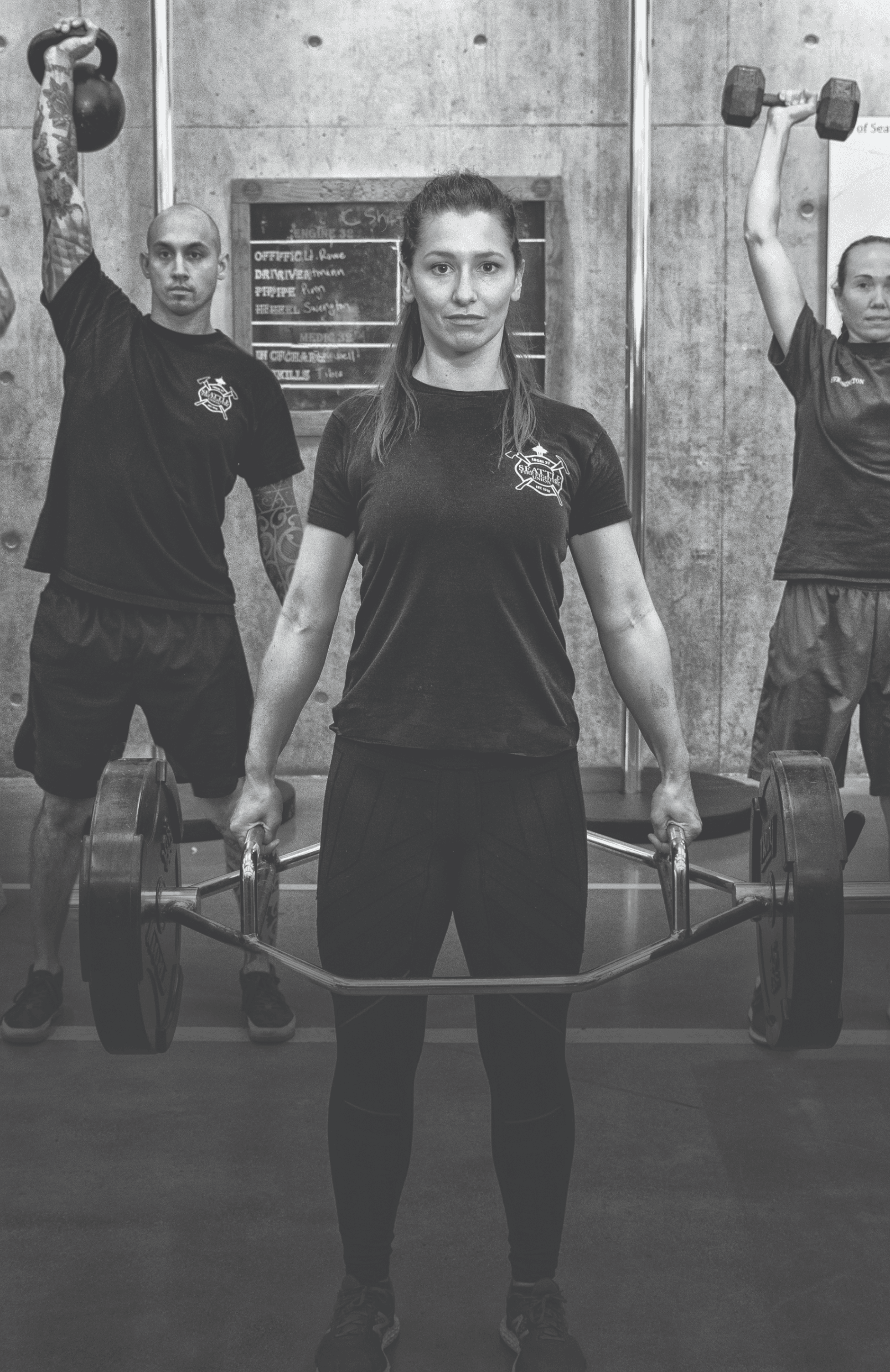
Functional strength isn’t just about looking good in a T-shirt. Firefighters regularly carry 50–100 pounds of gear and equipment. Tasks require lifting ladders, handling hoses, and performing victim rescues. If you haven’t trained with compound movements like deadlifts, squats, or carries, your body won’t be ready. Strength training builds not just muscle but bone density, joint stability, and metabolic resilience. Start early and build whole-body strength.
- Flexibility is for Yoga Instructors, Right?
Limited flexibility can seriously impair your ability to crawl, squat, or maneuver in gear. Tight hips, hamstrings, or shoulders increase your injury risk and reduce your effectiveness. Firefighters must maintain range of motion across all joints. Regular mobility drills, stretching, and foam rolling can help you stay agile and injury-free. Ten minutes a day can prevent months of downtime.
- Take Creatine Until Test Day
Creatine may help with strength gains, but it also elevates serum creatinine levels in your bloodwork. Medical reviewers may flag this as a sign of impaired kidney function—even if it’s temporary. You don’t want your application sidelined over something preventable. Pause supplementation at least a week prior to your physical to avoid red flags in your renal profile.
- Pound an Energy Drink Before the Stress Test
That pre-workout buzz might feel great in the gym, but showing up with a heart rate of 130 before you even get on the treadmill? Not a good look. High resting heart rates are considered signs of poor cardiovascular conditioning or anxiety, and can disqualify you. Avoid caffeine and stimulants 24 hours before your physical. Show up well-rested, hydrated, and calm.
- Ignore That Nagging Injury
Many recruits try to power through old injuries, thinking toughness will win the day. Instead, they often end up exacerbating an undiagnosed condition during the test, sometimes permanently. Departments aren’t looking for martyrs; they want medically cleared, functionally capable firefighters. If you’ve got a history of knee, back, or shoulder injuries, seek treatment early and come prepared with documentation.
- Pull an All-Nighter and Skip Breakfast
Sleep deprivation and poor nutrition can tank your performance – fast. Lack of rest impairs your coordination, reaction time, and cognitive function. Add dehydration or low blood sugar, and you’ve got a recipe for test-day failure. Aim for 7–9 hours of sleep, hydrate the night before, and eat a balanced meal with protein and complex carbs about 1–2 hours before your exam.
- Hope Your Hearing and Vision Magically Improve
Firefighting demands clear communication and spatial awareness. Uncorrected hearing or vision problems are safety liabilities. Departments test these areas, and failure to meet minimum standards can disqualify you. If you wear contacts, glasses, or hearing aids, bring them, and disclose everything upfront. Schedule screenings well in advance.
- Think Negatively and Psych Yourself Out
Mental readiness is just as important as physical conditioning. Anxiety, fear of failure, or lack of confidence can impair decision-making and motor function. Many candidates psych themselves out before they even start. Combat this by practicing visualization, mindfulness, and stress inoculation techniques. Show up prepared, not panicked.