
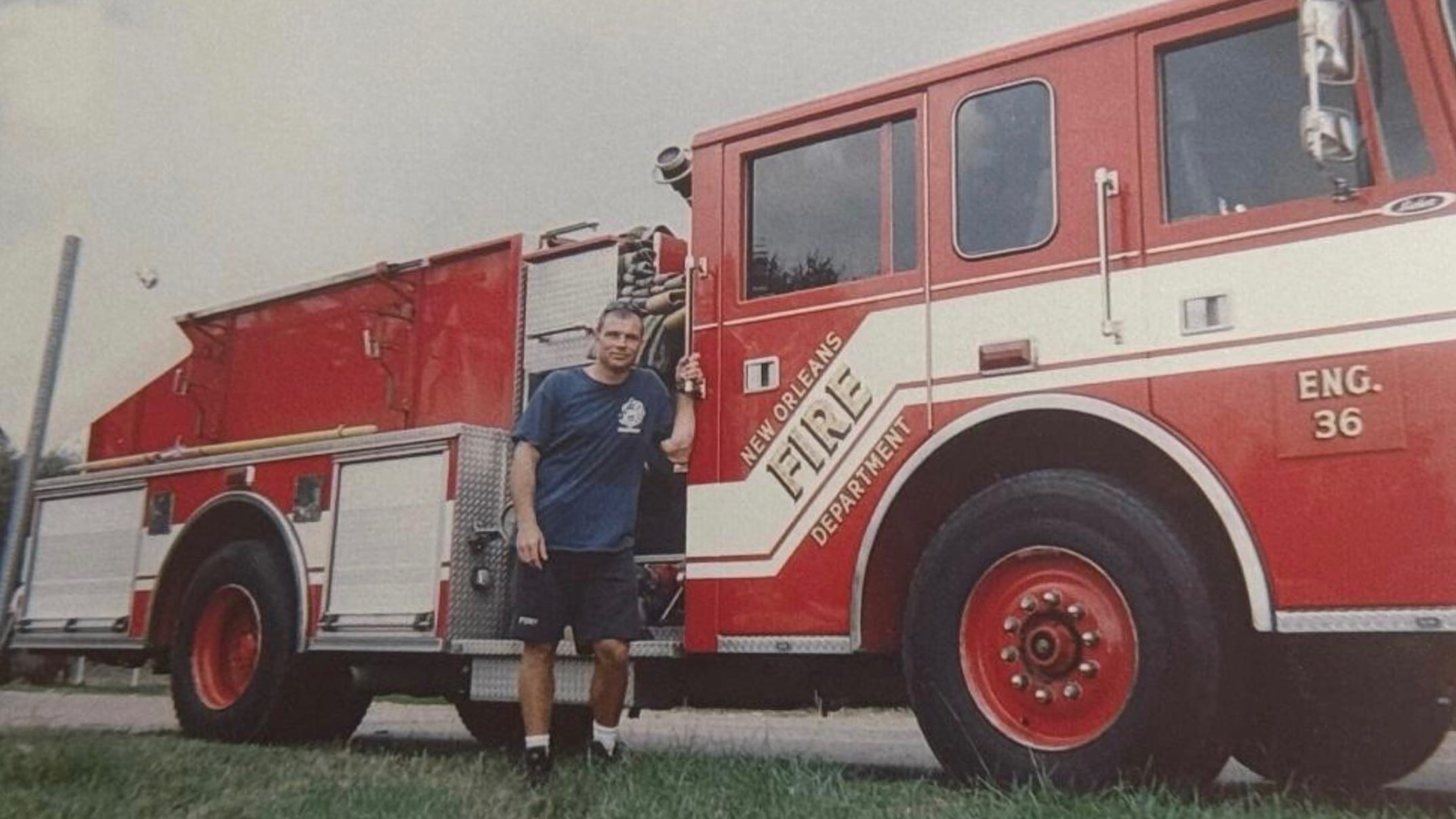
My FDNY deployment to Hurricane Katrina – 20 years later
Twenty years ago, Hurricane Katrina devastated New Orleans and the Gulf Coast, leaving behind destruction, loss, and a long path to recovery. It remains one of the most catastrophic natural disasters in our nation’s history. For the FDNY, it also marked one of the largest out-of-city deployments we had ever undertaken, a mission that brought more than 900 of our firefighters to New Orleans over six weeks to help a city in desperate need.
Alongside the FDNY Incident Management Team (IMT), which had been requested to help coordinate response and recovery operations, FDNY firefighters deployed in three waves of 300 members each, rotating every two weeks.
I was honored to be part of the first wave.
Learning About Incident Management Teams
At the time, I didn’t know much about Incident Management Teams or the critical role they play in large-scale disaster response. That changed quickly. The IMT brought order to chaos, restoring coordination, organizing logistics, and providing a system of accountability amid overwhelming devastation. While they worked to re-establish structure, the rest of us were assigned to fire companies and went to work side by side with New Orleans firefighters, responding to fires in a city where the hydrant system had collapsed and water for fighting fires was scarce.
Our base camp was set up at Our Lady of Holy Cross College in Algiers Parish. The location was chosen because it sat on high ground and offered quick access across the river to downtown. Within hours of arriving, I was on an engine company and responded to a working fire. There was no easing into the mission. This would set the tone for the next two weeks.
The Challenges of Water Supply
Water supply became our greatest challenge. At the time, I was a lieutenant in Engine 324 in Queens, a company responsible for operating a satellite engine that supplied water at large fires. That experience turned out to be valuable. In New Orleans, with hydrants out of service, we partnered with the U.S. Forestry Service to shuttle water to fires. Our task force worked around the clock, responding to every structural fire we could reach. (Some of the fires occurred in areas that were inaccessible due to the depth of the water). It was exhausting work, but also deeply rewarding.
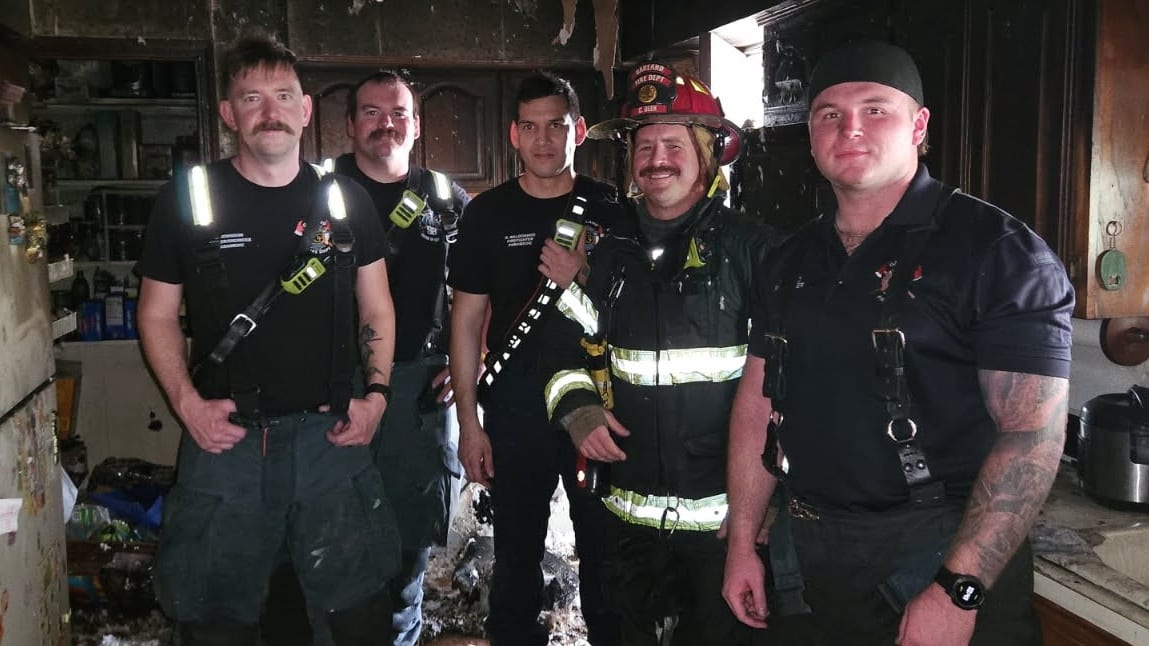
What stands out most, even after two decades, is how quickly a team can come together when the mission is clear. The firefighters assigned to me on that deployment weren’t from my firehouse. In fact, I met them for the first time at JFK Airport the night before we left. Mike Kozo, Billy Quinn, and Carl Dilallo from Engine 307 and Ladder 154 in Queens, along with Kevin Shanahan and John Barry from Ladder 30 in Harlem. Seasoned firefighters from busy houses. I was blessed to have these dedicated brothers by my side.
I still remember that evening before departure – sitting together in an empty JetBlue hangar while FDNY medical staff checked immunization records and cleared us for deployment. Just hours earlier, we hadn’t known each other’s names. But by the time we landed in New Orleans, we had already started building the trust that would carry us through dangerous conditions in an unfamiliar city.
Firefighter Spirit
Our assignment followed a 24-hour rotation. My team alternated 24-hour tours with another crew led by Danny Sheridan. One day, we would cover every fire call; the next day, his team would take over. The schedule provided little rest but ensured the city had continuous fire protection. It was demanding work, but no one complained; everyone understood the purpose and mission.
What I carry with me most vividly are the people. The FDNY firefighters I met only hours before departure, who became my brothers in the field. The New Orleans firefighters who welcomed us with open arms, grateful yet determined despite their own personal losses. The firefighters from Illinois who joined the mission, wearing different patches but sharing the same mindset. What united us was not geography but spirit – a can-do, get-it-done attitude that defines the fire service.
That mindset is what carried New Orleans through its darkest days. It kept firefighters moving forward when the water system failed and when communication lines broke down. Firefighters are trained to adapt, improvise, and overcome. Katrina provided the ultimate proving grounds.
Lessons from Hurricane Katrina
Looking back now, Katrina was a lesson in resilience and solidarity. It showed the importance of incident management, the need for preparedness, and the value of having systems in place before disaster strikes. But above all, it demonstrated the unshakable bond within the fire service.
For me personally, those two weeks remain among the most meaningful of my career. I remember the base camp that became our temporary home. I remember the long nights spent battling stubborn structural fires and the frustration of watching buildings burn beyond saving when we simply couldn’t reach them in time. I remember the satisfaction of saving what we could with limited resources. And I remember the faces of the firefighters beside me, men who were strangers just days before but who became lifelong brothers.
I also remember the spirit of the people of New Orleans, especially the firefighters who had lost so much. Many had seen their homes destroyed, their families displaced, yet they reported for duty with grit and determination. They showed us what true resilience looks like.
Twenty years later, Katrina continues to shape how we think about disaster response. It reminds us that no city is immune to catastrophes and that readiness must extend beyond borders. It reinforces why training, planning, and coordination matter. But more than anything, it reminds us of the unbreakable bond within the fire service. No matter the city, no matter the department, firefighters are cut from the same cloth. When the call comes, we answer.