
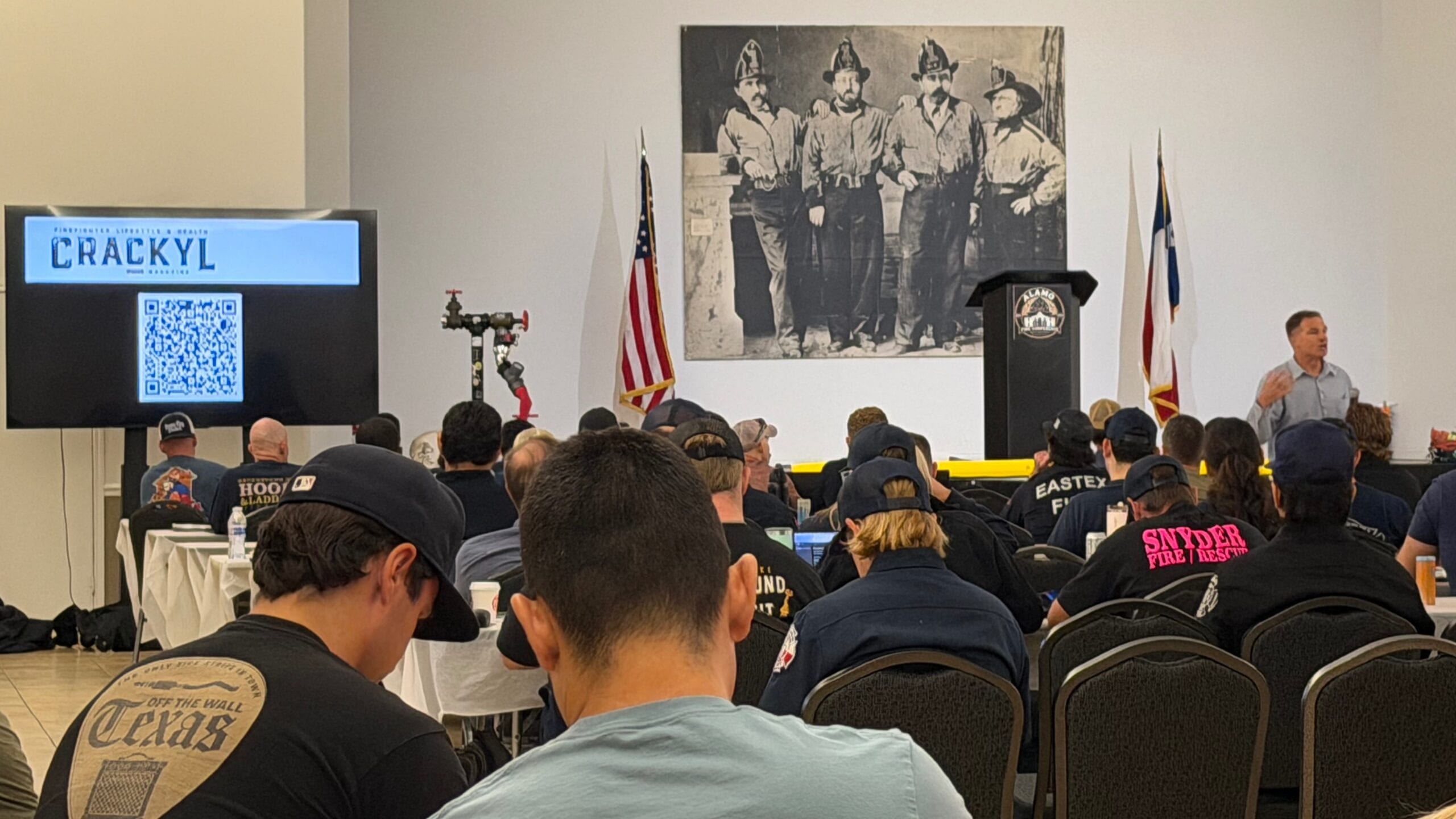
Recently, while attending the Alamo Fire Conference in San Antonio, Texas, I found myself in a conversation with one of the speakers. We were discussing the large number of young firefighters in attendance. It was energizing to see so many new faces, eager, engaged, and hungry to learn. It reminded me of something that is sometimes easy to overlook: the fire service is thriving. You just have to know where to look.
Over the past few years, smaller regional conferences have become the heartbeat of professional development in the fire service. Events such as the Alamo Fire Conference, Wichita HOT, Great Lakes HOT, Firemanship, Lt. Joseph P. DiBernardo Memorial Training Seminar, the Pacific Northwest Conference, County Fire Tactics, and the Orlando Fire Conference consistently punch well above their weight. They might not draw the massive crowds of the national events, but what they offer in return is something arguably more powerful: connection, passion, and a return to the grassroots spirit of learning.
Walk through the classrooms or the hands-on training grounds at one of these conferences, and you’ll quickly notice a few things. There’s a strong sense of community. There’s pride in the craft. There’s an undeniable hunger to get better. Most importantly, there’s a growing population of young firefighters —men and women — who are taking notes, asking questions, and absorbing every bit of knowledge they can.
They are the future of the fire service, and they’re showing up.
These regional conferences have tapped into something special. They make training accessible. They are often run by local firefighters who pour their hearts into creating high-quality programs. The result is a learning environment that is personal, affordable, and authentic.
It’s real, and it’s working.
For many young firefighters, these smaller events are where they first encounter national-level instructors and ideas. It’s where they begin to see the bigger picture of what the fire service can be. They take what they learn back to their departments, their shifts, and their crews, and in doing so, they elevate everyone around them. That’s how culture is built and maintained.
It’s easy to get discouraged when we hear about the challenges facing the fire service — recruitment, retention, and attracting young people to our profession. But I would argue that the energy at these conferences tells a different story. The next generation of firefighters is here, and they are investing in themselves. They’re traveling across states, often on their own time and their own dime, because they believe in this profession.
It is inspiring to listen to these young firefighters tell their stories and talk about their love of the job.
So, the next time someone says, “The fire service isn’t what it used to be,” I’d suggest they take a trip to one of these conferences. Walk the floor. Talk to the instructors. Meet the young firefighters who are standing in the back of the classroom, notebook in hand, waiting for their chance to step forward. You’ll see the same pride and the same drive that have defined this profession for generations.
The fire service continues to evolve, and if you want to see its future, you don’t need to look far. Just go where the next generation of firefighters are showing up to learn.
They’re out there. We just need to know where to look.