When you don the firefighter’s uniform, you’re not just dressing for a shift; you’re stepping into a legacy of trust, sacrifice, and service. The uniform represents more than fabric and stitching; it embodies history, discipline, and the shared values of generations of firefighters who built the foundation you stand on today.
From the moment you walk out the door in uniform, you represent your department, your crew, and the entire fire service. Your appearance communicates professionalism, readiness, and pride before you ever speak a word. It tells the public, “You can trust me.”
The Legacy of the Firefighter Uniform
The firefighter uniform has evolved through centuries of service, but its purpose remains the same: to symbolize unity, trust, and professionalism. From the earliest leather helmets of the 1800s to today’s station wear and Class A dress uniform, the uniform has always represented the courage and discipline of those who wear it.
Early firefighters took immense pride in their appearance, often polishing brass buttons and keeping their gear immaculate. Not out of vanity, but because it was a reflection of readiness and respect. A clean, squared-away uniform told the public their firefighters were dependable, disciplined, and ready for anything.
That standard still applies today. Whether you wear a station uniform or ceremonial dress, the message is the same: the uniform is a promise: to protect, to serve, and to honor the legacy of those who came before.
First Impressions: The Power of a Polished Uniform
To the public, every firefighter in uniform is a symbol of authority and trust, whether you’re a rookie or a chief. From emergency scenes to community events, your appearance shapes how people view your department and the entire fire service.
A clean, squared-away uniform signals discipline and competence. A sloppy one suggests carelessness and inattention. Traits that can erode confidence both inside and outside the station. Your presentation sends a clear message: you take this job seriously.
Here’s how to get it right every shift:
- Follow the dress code: Know your department’s policies. Tuck in your shirt, keep boots polished, ensure patches, rank insignia, and name tags are correctly placed.
- Stay clean and presentable: Avoid stains, wrinkles, or faded gear. Keep a backup uniform handy for unexpected calls or spills.
- Be inspection-ready: Assume the chief, a city official, or the media could appear at any moment.
- Respect SOPs: If your department prohibits hats, hoodies, or unapproved apparel with the uniform, don’t wear them.
A polished uniform reflects pride and sets a professional tone. You might be tired after a long night, but when the public sees you, they should see confidence, not complacency. Remember: every shift is an opportunity to represent the fire service with integrity.
Why Appearance Matters
The firefighter’s uniform is a statement of identity and discipline. Every patch, every pressed crease, every polished boot tells a story about professionalism, attention to detail, and pride in the craft.
Readiness: A crisp, maintained uniform signals you’re prepared for whatever comes next, from an inspection to a life-or-death emergency. A squared-away firefighter looks ready because they are ready.
Discipline: The same care you take with your uniform is the care you’ll take with your tools, your training, and your decisions on the fireground. Precision starts with small habits.
Pride: A clean, well-fitted uniform honors the history and sacrifice of those who wore it before you. It shows respect for your department, your community, and your own commitment to the profession.
A wrinkled shirt, untucked blouse, or scuffed boots may seem minor, but they send a message about your attitude toward the job. In the fire service, appearance reflects mindset. Sloppiness in appearance often hints at sloppiness in preparation, something the job simply can’t afford.
Firefighters who maintain high standards of appearance elevate the entire crew. That pride builds unity and morale, reminding everyone that excellence isn’t optional; it’s expected.
Beyond the Station: Representation and Reputation
The uniform’s symbolism doesn’t stop at the station doors. It extends into the public eye: on calls, during community events, and in the digital world.
In the community: When you attend public events, school visits, fundraisers, parades, remember you are representing the department’s values. Shake hands, make eye contact, and answer questions with patience and respect. For many children, meeting a firefighter in uniform is their first introduction to the fire service; make sure it’s a positive one.
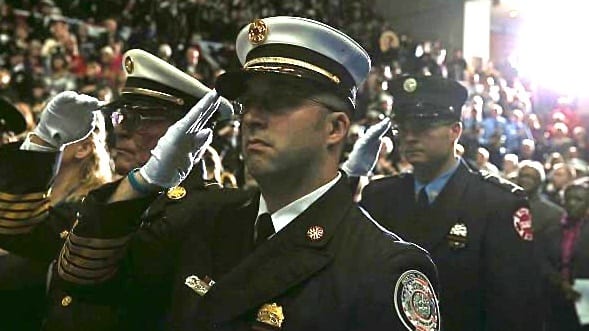
At ceremonies and funerals: Class A uniforms carry even deeper meaning. Worn during formal occasions, they represent solemn respect for the profession and those who have given their lives in service. Keep your dress uniform immaculate and wear it with the reverence it deserves.
On social media: The same pride you take in your physical uniform should extend to your digital one. How you conduct yourself online can build or damage trust in your department. Avoid sharing images or comments that could be interpreted as unprofessional or disrespectful to the community.
Whether in person or online, the uniform you wear is more than attire; it’s a symbol of accountability. Protect its reputation as carefully as you protect your crew.
Wear It With Pride
Wearing the firefighter’s uniform is both an honor and a responsibility. It represents sacrifice, service, and the unbroken chain of those who have answered the call before you.
Every time you put it on, you are telling the world who you are and what you stand for. You are saying, “I am ready. I am accountable. I am here to serve.”
A clean, squared-away uniform doesn’t just look sharp; it speaks volumes about your mindset. It shows that you respect the job, your crew, and your community. And in return, it earns their respect.
The uniform connects you to the greater mission of the fire service: to protect life and property with courage, integrity, and pride. Treat it with the reverence it deserves.
Because in the fire service, how you wear the uniform is how you honor the calling.