We may wonder about the impact we can have on our sphere of influence. Have you heard the phrase, “attitudes are contagious, be sure yours is worth catching?” Senior firefighters (EMTs and paramedics) can have significant influence and often set the tone for less senior personnel in the organization. Remember, what we permit, we promote!
We would like to share a case study of sorts, involving a senior firefighter/EMT who chose to focus on his environment and create a calming space at the fire station. Other fire stations have noticed and are striving to recreate a similar vibe. (We think good vibes are contagious, too!) There are many low-tech and low-budget fire station practices that can positively impact personnel.
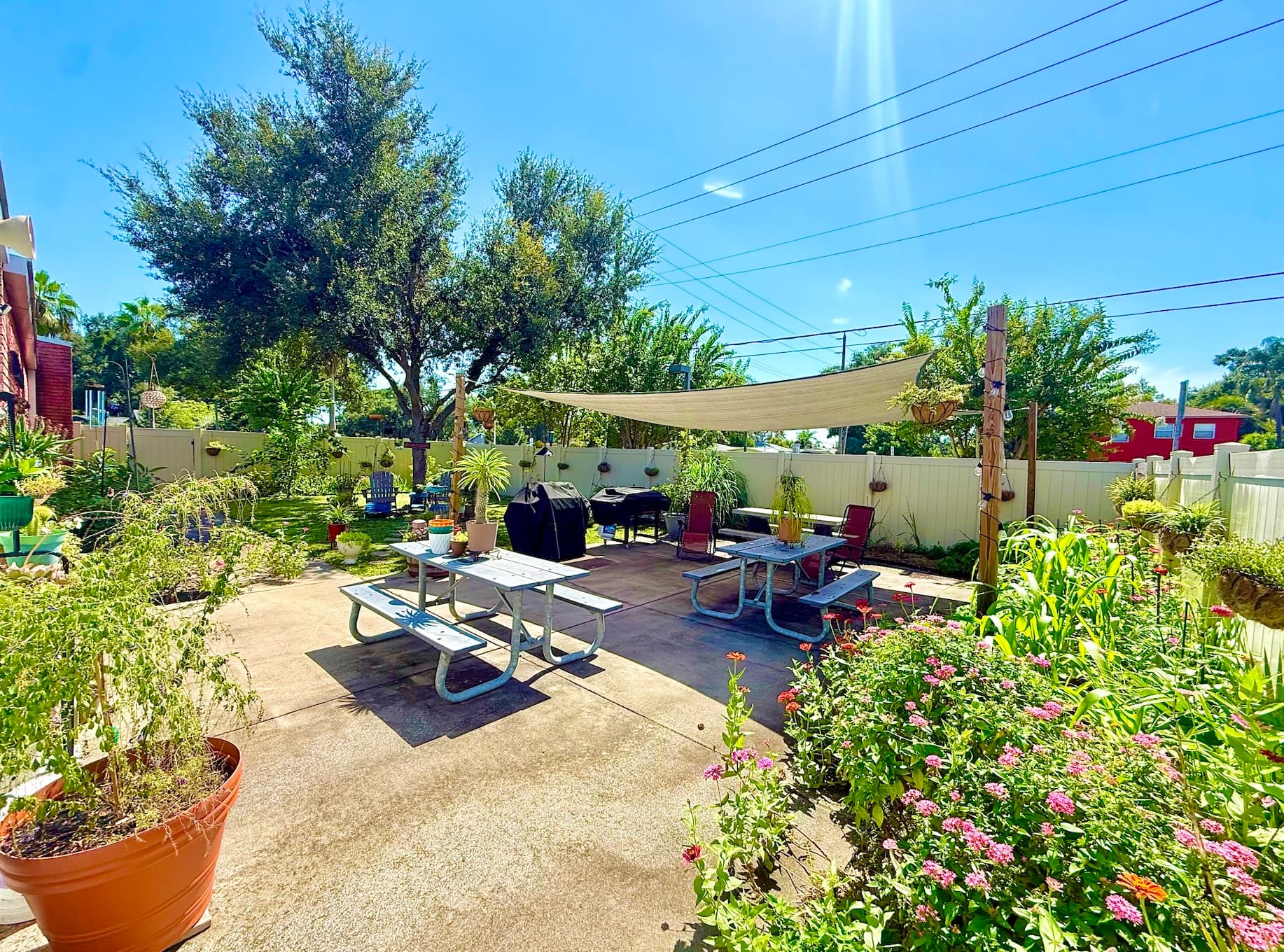
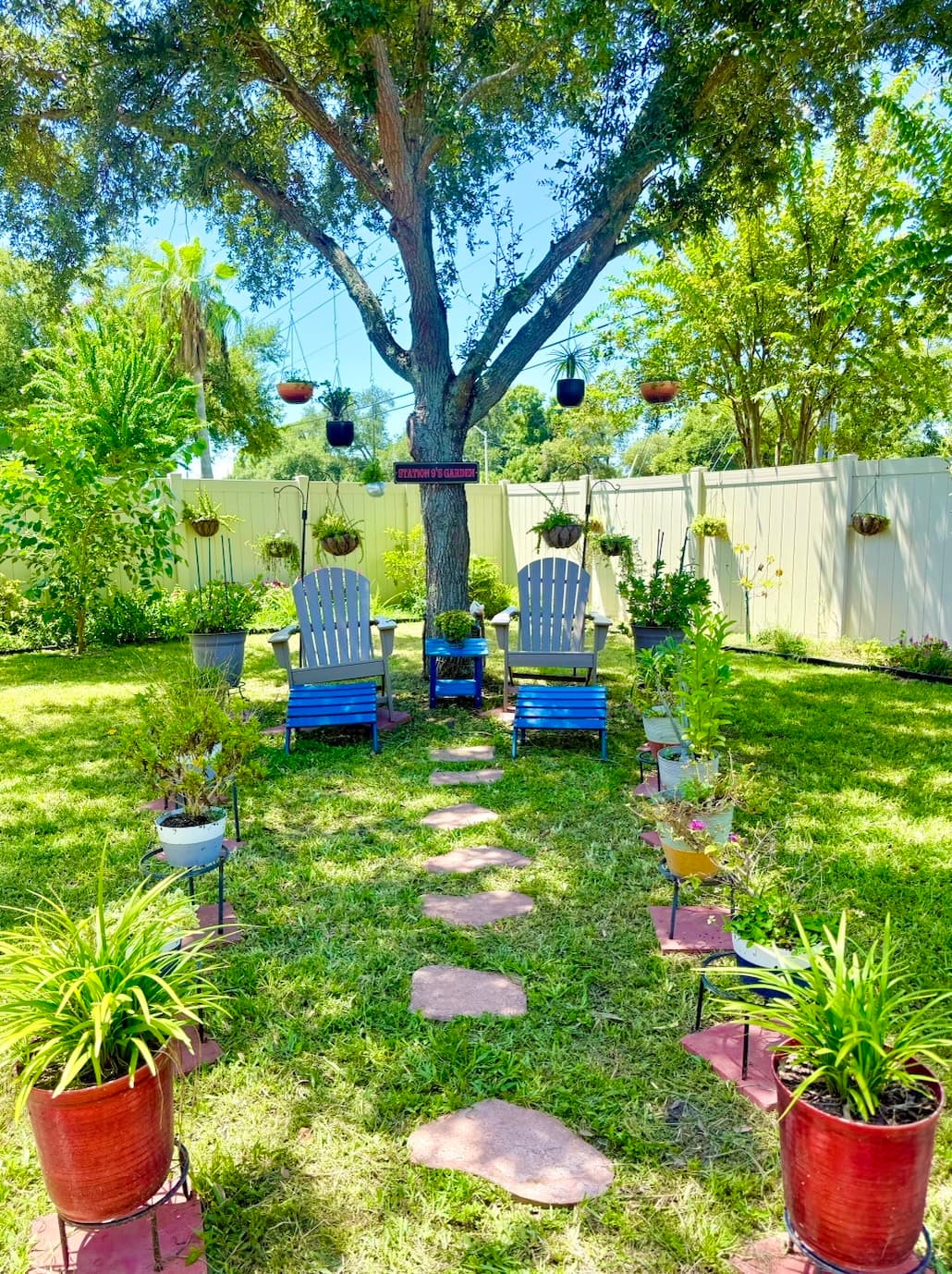
Firefighter/EMT Alphonse brought his energy and calming nature to Station 9, and he decided the outdoor space ought to be better utilized. He began by tending the yard, and deciding what flowers, herbs, and plants should be placed around the garden. He let the crew know they were invited to participate and encouraged their input.
The crews took notice as the garden grew with a compost area, flowers, succulents, and vegetables. Then they brought in seats and positioned a picnic table, water feature, and grill in the yard. Lastly, string lights and a sail shade were added to this outdoor space.
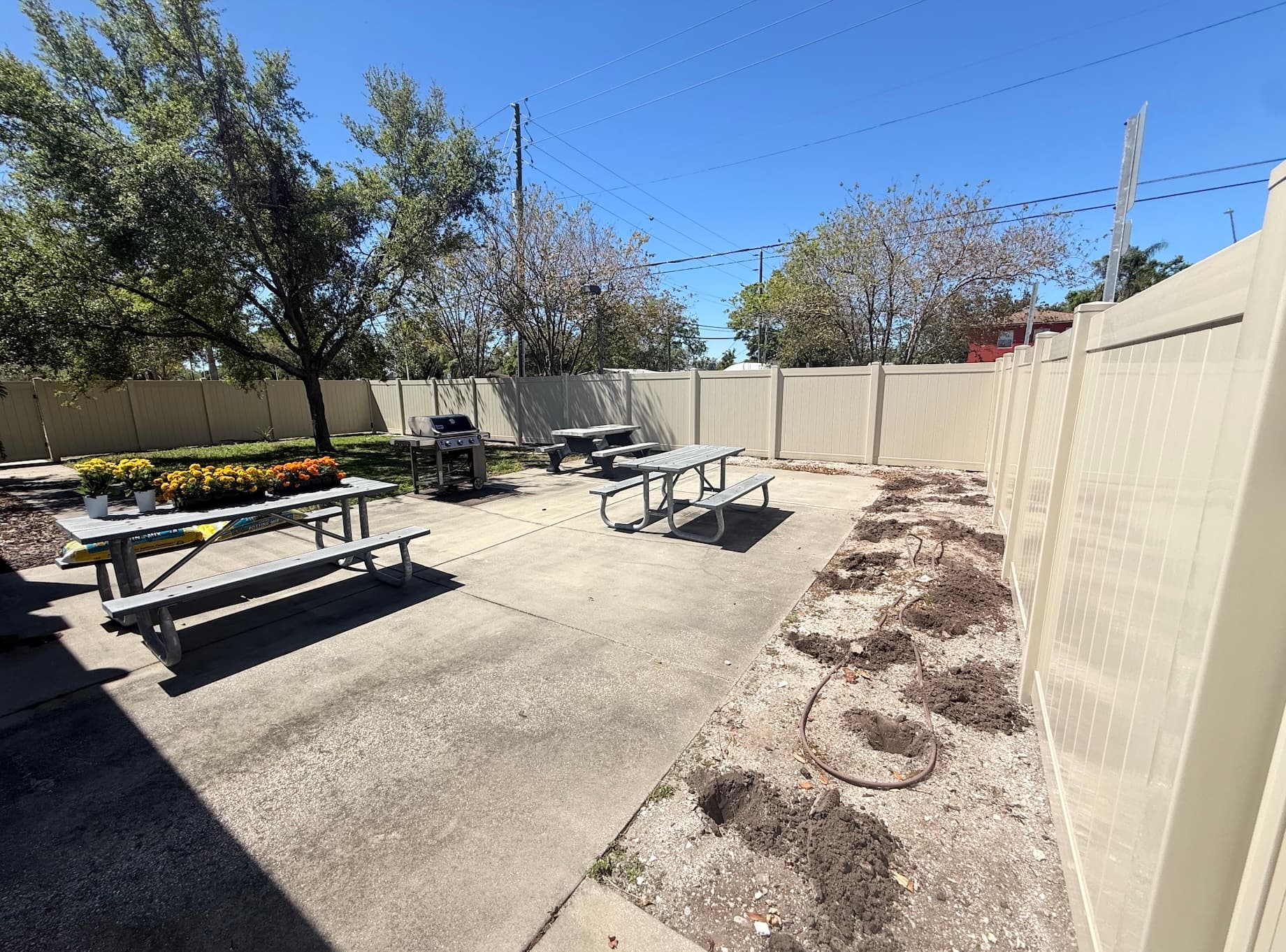
We know earthing can have positive outcomes. Earthing examples include gardening, sitting in a chair outside and allowing your bare feet to touch the ground, and laying in the grass. Now, the area is filled with good vibes, requires a little maintenance and upkeep, and continues to invite conversation, relaxation, and peace.
Meanwhile, the common area inside the station has become a relaxing oasis of sorts. Fred has made sure those visiting the fire station or those roving in for the shift know the station doesn’t play the news channel throughout the shift. The crew usually has lo-fi music playing as background noise. He has provided a foot massager and face mask to further emphasize relaxation. Did you know foot massages are linked to improved circulation, lower blood pressure, and relieving anxiety?
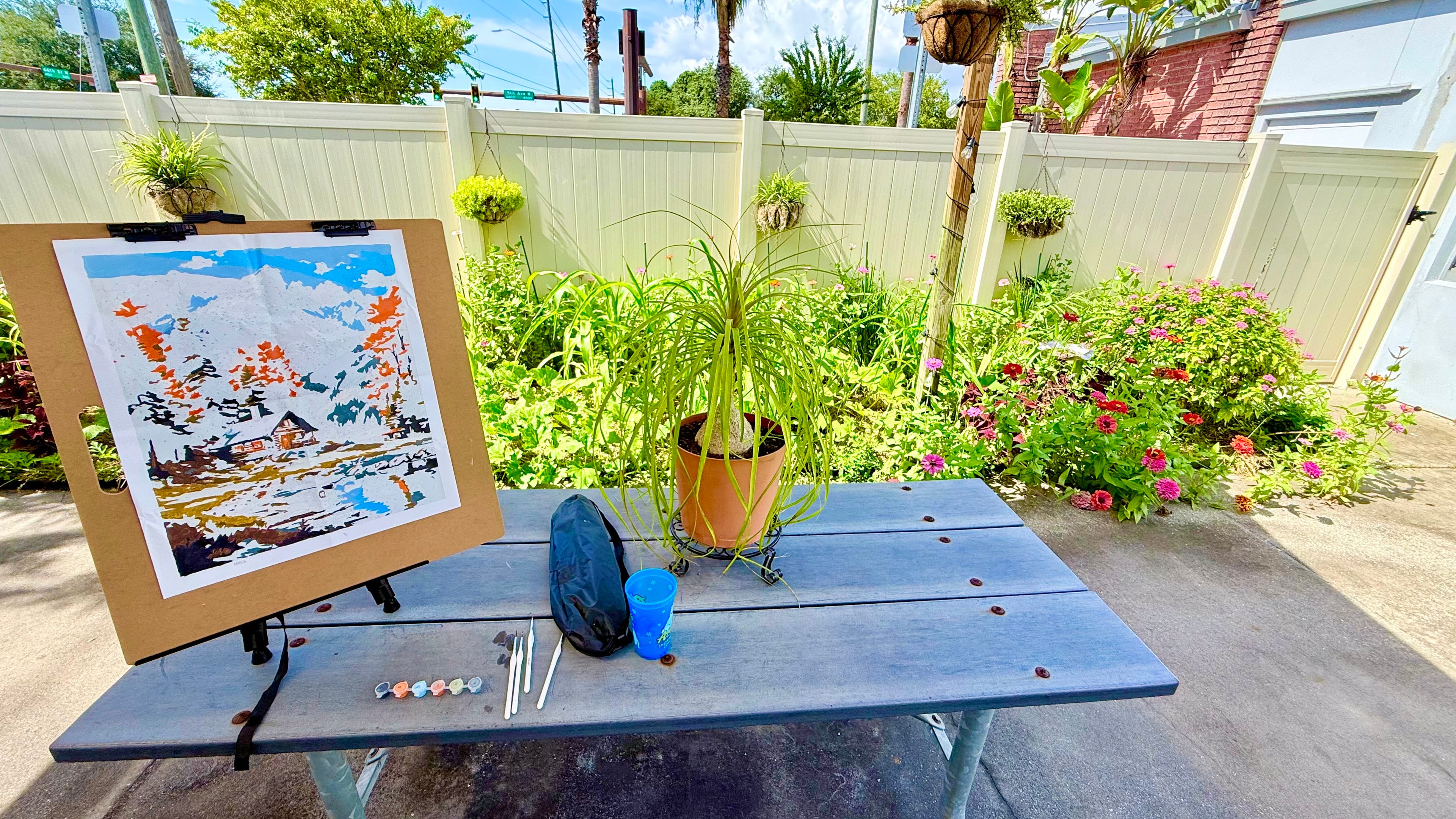
Fred has also incorporated art activities, such as a paint-by-number station on the kitchen bar area, where personnel can sit and paint in the company of their crew. While this may seem like art alone, it can be therapeutic and lead to lower stress, improved hand-eye coordination, as well as mindfulness.
Lastly, indoor plants are a low-tech add that can improve air quality in many enviornments. Some of the best plants for reducing VOCs include spider and snake plants, peace lilies, aloe vera, Boston fern, and gerbera daisies, to name a few.
Do you think enviornments impact connection, mood, and overall well-being? We do! In fact, Fire Apparatus & Emergency Equipment recently highlighted the intentional designing of spaces to support mental and physical wellness.
Specifically sharing the helpfulness of creating home-like spaces, promoting restorative sleep, including spaces for stress relief, and integrating mental health components into the physical environment. Additionally, Fire Rescue 1 recently shared a resource titled, Performance Stations: Design for Health, Resilience and Readiness.
Depending on your agency’s budget, funding may prove challenging. For instance, not all fire rescue agencies may be able to afford saunas, red lights, state-of-the-art gym equipment, or energy pods. However, we encourage personnel to explore potential donations and grant opportunities. If you become aware of a business or funding opportunity, share this with your leadership team to determine if it is a pathway that can be used! There are many funding opportunities that may be available to your local agency, such as Assistance to Firefighter Grants Program, Firehouse Subs Public Safety Foundation, Gary Sinise Foundation, The Dickey Foundation, and others.
We wanted to share this with readers to highlight low-tech and low-budget ideas that can be implemented at fire stations/houses across the world. The leadership lesson Fred taught us was identifying an underused space, improving it by creating a calming area in an environment that may organically foster tension and breed stress, simply from the nature of the work. He invited personnel to contribute to and maintain the nourished space as a team.
We all contribute to the culture we work within. There are so many unknowns in our profession and having intentional ways to be grounded, reduce stress, and foster connection can help each of us along our first responder journey, both in the career and volunteer response models. Personnel have even shared that they’ve taken some of these practices home with them and continue to be intentional on their days off. Now that’s a culture we can all get behind; improved peace on- and off-duty.
“If my attitude can rub off on someone else, that just makes it even better. The garden was just an idea, to give everyone a place to come together, take a break in between calls and the day-to-day stress. The response from everyone has been really positive. The firefighters who are stationed here enjoy having the space. Even those who are just floating in for a shift have had great things to say about it,” Fred says.
Fred D. Alphonse, firefighter EMT, former United States Air Force member and someone who believes in good energy, good people, and trying to make every day a little better.
Dr. Lindsay Judah, is a Fire Rescue Division Chief, a fire and emergency services consultant, graduate professor, advocates for NFR for Cancer, peer reviewer for CPSE, IFSTA executive board member and validation committee member, and member of FCCMA, FDSOA, FFCA, IAFC-SHS, I-CAPP, and EMSAC. She’s a NASM-CPT, and trained in peer support (IAFF, Illinois, and UCF).