
Steel, Not Shiny: Rebuilding Fire Service Morale Without Losing Our Soul
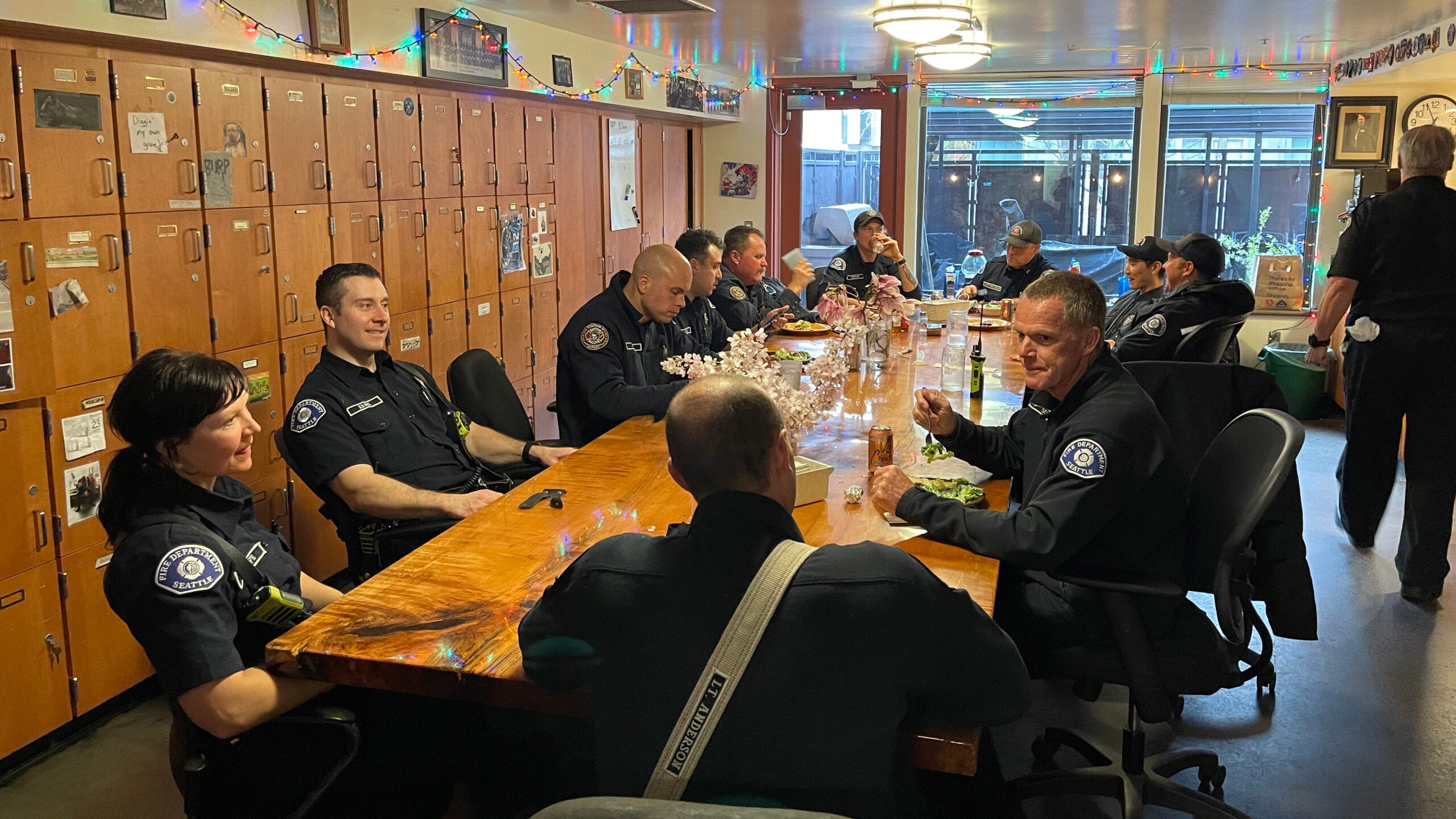
Photo by Steve Baer | FireDog Photos
Firefighters thrive when their organization values identity, consistency, and the wisdom of its retirees
I’ve spent nearly three decades in the fire service. Long enough to have seen multiple cycles of change, reinvention, and reinvention again. I’ve watched apparatus get bigger, safer, and smarter. I’ve seen training evolve, data multiply, and expectations expand well beyond the fireground. Much of this progress has been good and necessary. But alongside it, I’ve also watched something far more fragile beginning to erode in many places: morale.
This isn’t written from a place of bitterness or blame. It’s written from experience, from pride in this profession, and from concern for where we’re headed. This isn’t an attack on leadership, administration, or organizations. It’s an honest look at hard truths that many departments struggle to acknowledge or don’t yet have the tools to address. If we want to improve morale in the fire service, we have to talk about culture, how it’s built, how it’s lost, and how it can be restored without discarding the people and traditions that created it.
Morale isn’t the problem itself. Morale is the symptom. When firefighters are disengaged, cynical, or simply counting the days until retirement, something deeper is broken. Low morale reflects a lack of connection to leadership, to the organization, and to the purpose that brought us here in the first place. Firefighters stay motivated when they feel trusted, valued, and part of something meaningful. When that disappears, no incentive program or slogan will bring it back.
Over time, many firefighters have begun to feel more managed than led. Policies multiply, oversight increases, and decisions feel farther removed from the station floor. These changes rarely come from bad intentions. They often come from a desire to protect the organization, reduce risk, and meet external demands. But when leadership becomes distant or overly focused on metrics and optics, firefighters begin to feel like numbers instead of professionals. That’s where morale starts to fade.
The Lure of Trends
One of the biggest contributors to this drift is the fire service’s growing obsession with trends. Not all trends are bad. Some push us forward, improve safety, or increase effectiveness. But too often, departments chase the newest idea simply because it’s new, not because it fits their identity. Culture is not something you can import, brand, or mandate. It’s built slowly through shared experience, consistent expectations, and trust. When trends are adopted without respect for existing culture, they can unintentionally send a message that the past doesn’t matter and that experience is replaceable.
Firefighters notice when tradition is dismissed as outdated rather than understood as foundational. Tradition isn’t about clinging to the past; it’s about preserving values. Discipline, pride, accountability, and brotherhood and sisterhood are not obsolete concepts. They’re timeless. Departments with strong morale tend to know who they are. They evolve, but they don’t abandon their identity in the process. Firefighters in those organizations understand expectations because they’re consistent, not constantly changing with the latest initiative.
Another hard truth we need to confront is how the fire service treats its retirees. In many departments, retirement marks a clean break. The uniform comes off, the email access ends, and the individual who spent decades building the organization fades away. At the same time, those same departments struggle with mentoring, leadership development, and cultural consistency. We’re losing institutional memory at a rate that should concern all of us.
Retirees Still Have Value
Retirees are not a liability or a reminder of “how we used to do it.” They are a resource. They carry lessons learned through experience, mistakes survived, and successes earned the hard way. Some of the strongest departments in the country understand this and intentionally include retirees as part of the organization. They involve them in recruitment, recruit training, mentoring programs, promotional preparation, and cultural preservation. Not as figureheads or ceremonial guests, but as contributors.
Honoring retirees does not mean resisting progress. It means anchoring progress. When firefighters see their organization values those who have given their careers to it, morale improves. It reinforces the idea that service matters beyond the last shift worked and that experience is something to be respected, not replaced.
The false divide between tradition and progress has done real damage to morale. We’ve been told that to move forward, we must shed old ways entirely. That tradition equals resistance. That mindset weakens organizations. Tradition, when understood correctly, provides stability during change. It gives firefighters a sense of identity when everything else feels uncertain. Departments that protect their traditions while embracing thoughtful change tend to maintain stronger morale because their people know what the organization stands for.
The Role of Leadership
Leadership plays a critical role in this balance. Administrative chiefs today face pressures that were far less intense decades ago. Political scrutiny, legal exposure, public accountability, and budget constraints are real and heavy responsibilities. Recognizing that reality is important. But leadership cannot be effective if it becomes insulated from the workforce it leads.
Morale improves when firefighters believe their leaders genuinely listen. Not just through surveys or town halls, but through presence. Walking stations, sitting at kitchen tables, attending training, and asking questions without predetermined answers. Firefighters don’t expect perfection. They expect honesty, consistency, and effort. Trust is built when leaders are visible and willing to engage, even when conversations are uncomfortable.
Protecting culture should be considered as important as protecting budgets and policies. Culture determines whether firefighters care enough to go the extra mile, mentor the next generation, and stay invested long after the novelty of the job wears off. Vision statements don’t create that. People do.
How Departments Can Rebuild Morale
There are practical steps departments can take to rebuild morale without tearing down their organizations. Formalizing retiree engagement is one. Creating defined roles for retirees as mentors, instructors, and advisors sends a powerful message about respect and continuity. Reinvesting in company-level leadership is another. Morale is built on the floor, not in headquarters. Officers must be empowered and supported to lead, mentor, and hold their people accountable with consistency.
Departments should also evaluate trends through a cultural lens. Before implementing new initiatives, leaders should ask whether they strengthen trust, pride, and cohesion — or undermine them. Preserving rituals and traditions matters more than many realize. Promotions, retirements, badge ceremonies, and remembrances reinforce identity and remind firefighters that they belong to something larger than themselves.
Finally, leadership development must focus on creating leaders, not just managers. Technical knowledge and policy understanding are important, but people skills, presence, and integrity matter more. Firefighters will forgive mistakes. They won’t forgive indifference.
Sustaining Morale
Despite all the challenges, this is still the best job in the world. Most firefighters believe that deep down. But belief alone won’t sustain morale. Culture will. Connection will. Respect, for the job, for each other, and for those who came before us, will.
We don’t need to turn back the clock. We need to stop pretending it never mattered. If we can balance progress with purpose, administration with tradition, and innovation with experience, the fire service will not only survive but also remain worthy of the people who choose to serve.
That responsibility belongs to all of us: firefighters on the floor, officers and chiefs in leadership, and retirees who still have wisdom to offer. Steel over shiny — always.