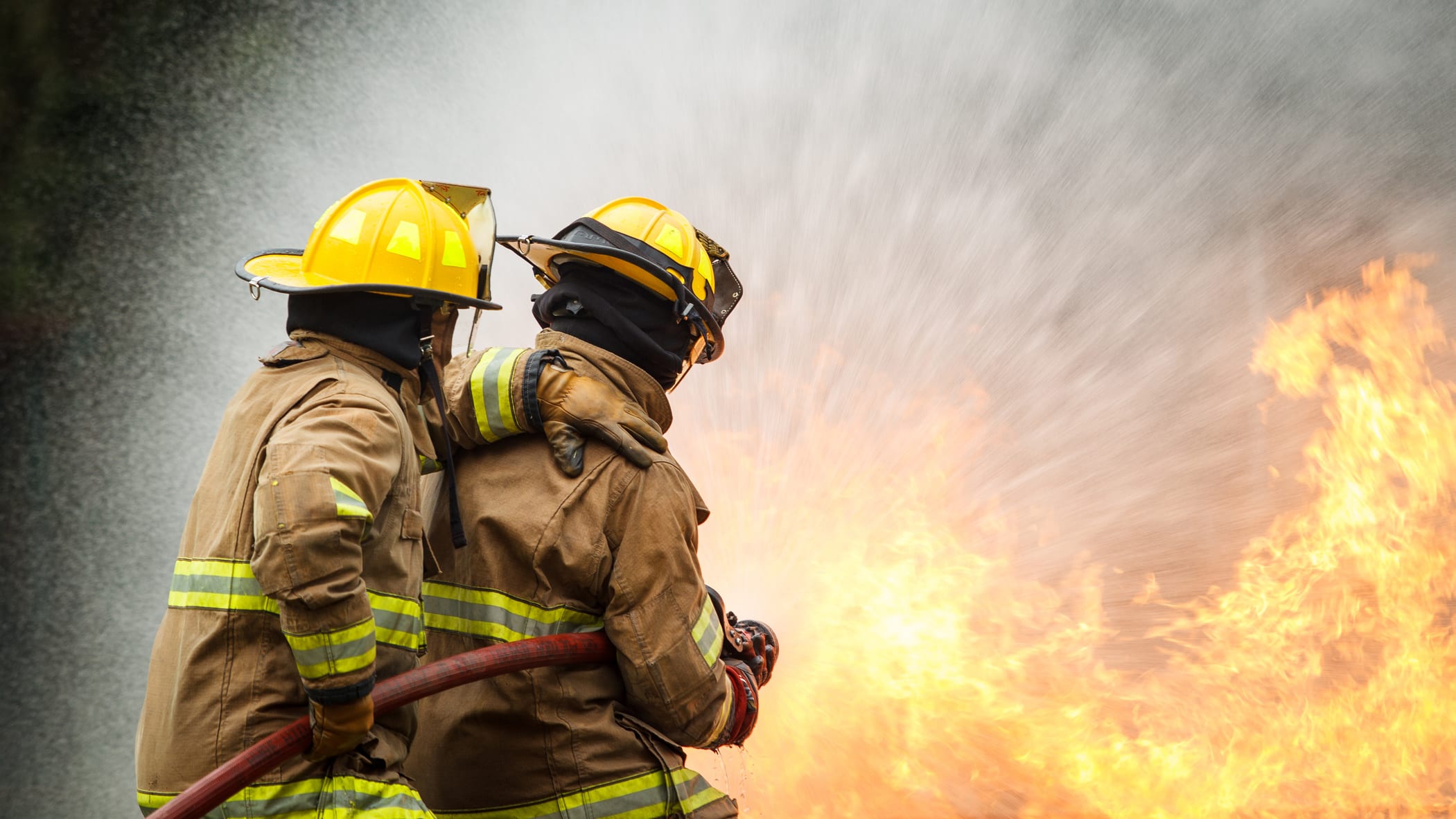
Longevity is technically defined as the number of years lived, while “healthspan” relates to the years lived with good functionality and vitality, or quality of life. For firefighters, both healthspan and longevity are under threat from the extreme physical, environmental, and psychological demands of their profession. Exposures from carcinogens, toxic byproducts of combustion, chronic stress, heat, and disrupted sleep from shift work place firefighters at heightened risk for premature morbidity and mortality.
Healthspan is shaped by both non-modifiable factors, such as genetics, and modifiable influences including lifestyle behaviors and occupational exposures. Core determinants include cardiovascular health, metabolic balance, psychological well-being, and the presence of chronic disease. Among U.S. firefighters, lifestyle-related non-communicable diseases account for nearly two-thirds of lifetime mortality, with cardiovascular disease and cancer being the leading causes followed by respiratory and metabolic conditions.
Firefighter Health Challenges
A closer look reveals several health challenges that place firefighters at heightened risk throughout their careers:
Cardiovascular Risk: While acute cardiovascular events may be triggered by physically intense duties, long-term cardiovascular risk in firefighters is primarily driven by modifiable factors such as poor diet, low fitness levels, hypertension, and obesity. The relative presence of these traditional risk factors significantly contributes to life expectancy and work capacity.
Cancer Susceptibility: Firefighters experience increased cancer risk due to repeated exposure to smoke, diesel exhaust, and toxic chemicals encountered during fire suppression. Circadian disruption from rotating shifts further compounds this risk, while lifestyle choices such as diet, physical activity, and tobacco use also play an influential role.
Sleep Disruption and Shift Work: Irregular schedules interfere with natural circadian rhythms, contributing to metabolic dysfunction, hormonal imbalances, weight gain, diabetes, and cardiovascular disease — all negatively affecting healthspan.
Mental Health Burden: Depression, post-traumatic stress disorder (PTSD), substance use, and suicide remain growing concerns in the fire service. Continuous exposure to traumatic incidents, combined with cultural stigma around seeking help, can lead to long-standing mental health consequences that directly and indirectly affect healthspan.
Obesity and Physical Decline: Suboptimal nutrition and insufficient physical activity have led to rising obesity rates in the fire service. Excess weight is closely tied to cardiovascular disease, certain cancers, musculoskeletal injuries, and earlier retirement.
Healthspan as Strength, Function, and Purpose: For firefighters, healthspan means preserving the ability to meet operational demands, preventing career-ending injuries, and sustaining quality of life after retirement. Maintaining long-term fitness not only supports safe job performance but also enhances recovery, reduces injury risk, and strengthens resilience to occupational exposures. A longer, healthier career also enables seasoned firefighters to mentor younger colleagues, preserving institutional knowledge and leadership. The encouraging reality is that many threats to longevity and healthspan are preventable. Consistent healthy behaviors can significantly safeguard both healthspan and performance.
Foundational Behaviors
A range of modifiable lifestyle habits can limit chronic disease development by reducing inflammation and related factors:
- Nutritious Dietary Patterns: Diets rich in whole, minimally processed foods — particularly Mediterranean-style patterns emphasizing fruits, vegetables, whole grains, legumes, olive oil, and moderate fish intake — are strongly associated with reduced risk of cardiovascular disease, cancer, type 2 diabetes, and obesity.
- Regular Physical Activity: Consistent exercise improves cardiovascular and metabolic health, supports mental well-being, maintains healthy body weight, and reduces the risk of chronic disease.
- Avoidance of Tobacco and Harmful Substances: A tobacco-free lifestyle significantly lowers risks of cancer, heart disease, and respiratory conditions. Moderating alcohol intake further supports long-term liver and cognitive health.
- Stress Management and Mental Resilience: Effective coping strategies, access to mental health services, and emotional resilience help reduce inflammation, improve immune function, and protect cardiovascular health.
- Chronic Disease Management: Early identification and appropriate treatment of conditions such as hypertension or diabetes reduce complications and preserve long-term health.
- Sleep Quality Optimization: Adequate, restorative sleep supports immune repair, hormonal balance, cognitive performance, and metabolic regulation.
- Preventive Healthcare and Screening: Routine medical evaluations allow early detection of silent conditions and enhance long-term outcomes.
- Social Connections: Strong social relationships and community bonds reduce stress and are consistently linked to longer, healthier lives.
Digital Health as a Modern Countermeasure
Smartphone applications have emerged as effective tools for promoting healthy behaviors by addressing key modifiable factors that influence chronic disease development, overall well-being, and longevity. While many platforms target isolated aspects of wellness, few provide a comprehensive approach tailored specifically to firefighters. To address this gap, the Healthy Lifestyle Smartphone (HLS) App has been developed and structured around four core pillars of well-being: nutrition, physical activity, sleep, and resilience/stress reduction. Created in close collaboration with fire service experts, the app has been refined to ensure practical relevance and real-world usability.
The HLS app delivers interactive, evidence-based educational content designed to promote balanced eating, structured physical training, healthy sleep practices, stress management, social connection, and avoidance of harmful behaviors.
All content within the app is grounded in scientific evidence and has been developed by the research team using validated assessment tools, audiovisual materials, and information sourced from accredited platforms and peer-reviewed literature.
Promising Outcomes
Following beta testing, the HLS app was well received by firefighter recruits and demonstrated positive effects on lifestyle behaviors, physical fitness, and mental health outcomes after approximately three months of use. Several health indicators improved or remained stable over this period, underscoring the app’s potential to support long-term health and performance in this high-risk occupational group.
The findings provide a strong rationale for conducting a cluster-randomized trial across consecutive classes from multiple fire academies, with the intention of pursuing FEMA grant funding, to rigorously evaluate the effectiveness of the HLS app, compared with usual care, in influencing and sustaining academy training–derived health benefits during firefighters’ first year of active duty following academy or other fire training. The goal is also to expand access to the app across both active and veteran firefighters, providing tailored educational content that can help them better navigate and manage the unique lifestyle and occupational challenges they face.