As a first responder who has witnessed both the chaos of natural disasters and the visceral aftermath of mass-casualty criminal events, I’ve learned that caring for ourselves holistically — mind, body, and spirit — isn’t negotiable. It’s integral to doing the job we’re called to do with strength, health, and clarity. Disaster response demands a kind of readiness that goes far beyond specialized training, equipment, or tactical briefings. True resilience comes from sustaining your physical, mental, and spiritual health not only during the difficult work of deployment but also in the time before and after the call comes in.
Before there’s even a call to mobilize, I focus on the basics: keeping my body fit through proper nutrition, functional exercise, and prioritizing rest. The daily work we do as first responders already requires us to maintain a high level of physical and mental readiness. But when a deployment means seven to 21 days of arduous work, with long hours in unpredictable conditions, maintaining health and wellness becomes even more critical.
It’s easy to brush past these routines in daily life because of schedules, family responsibilities, and the exhaustion that follows a busy shift. Yet operating on skipped meals or poor sleep stacks the odds against you once you deploy. Whether you’re staged at a rural fire camp, combing through debris fields, or supporting fellow responders after a critical incident, staying hydrated, eating small protein-rich meals, and grabbing moments to stretch or breathe deeply all have a tangible impact on your ability to sustain those long, demanding hours.
When resources are tight and schedules unpredictable, I rely on a few simple tricks: stuffing portable healthy snacks into the pockets of my BDUs, keeping reusable water bottles in both my vehicle and backpack, and taking advantage of short breaks to rest or clear my head. Sometimes that means processing racing thoughts with a co-worker; sometimes it’s 20 minutes with my eyes closed in the back of a truck.
After the dust settles and I’m home, my body will remind me of every corner I cut.
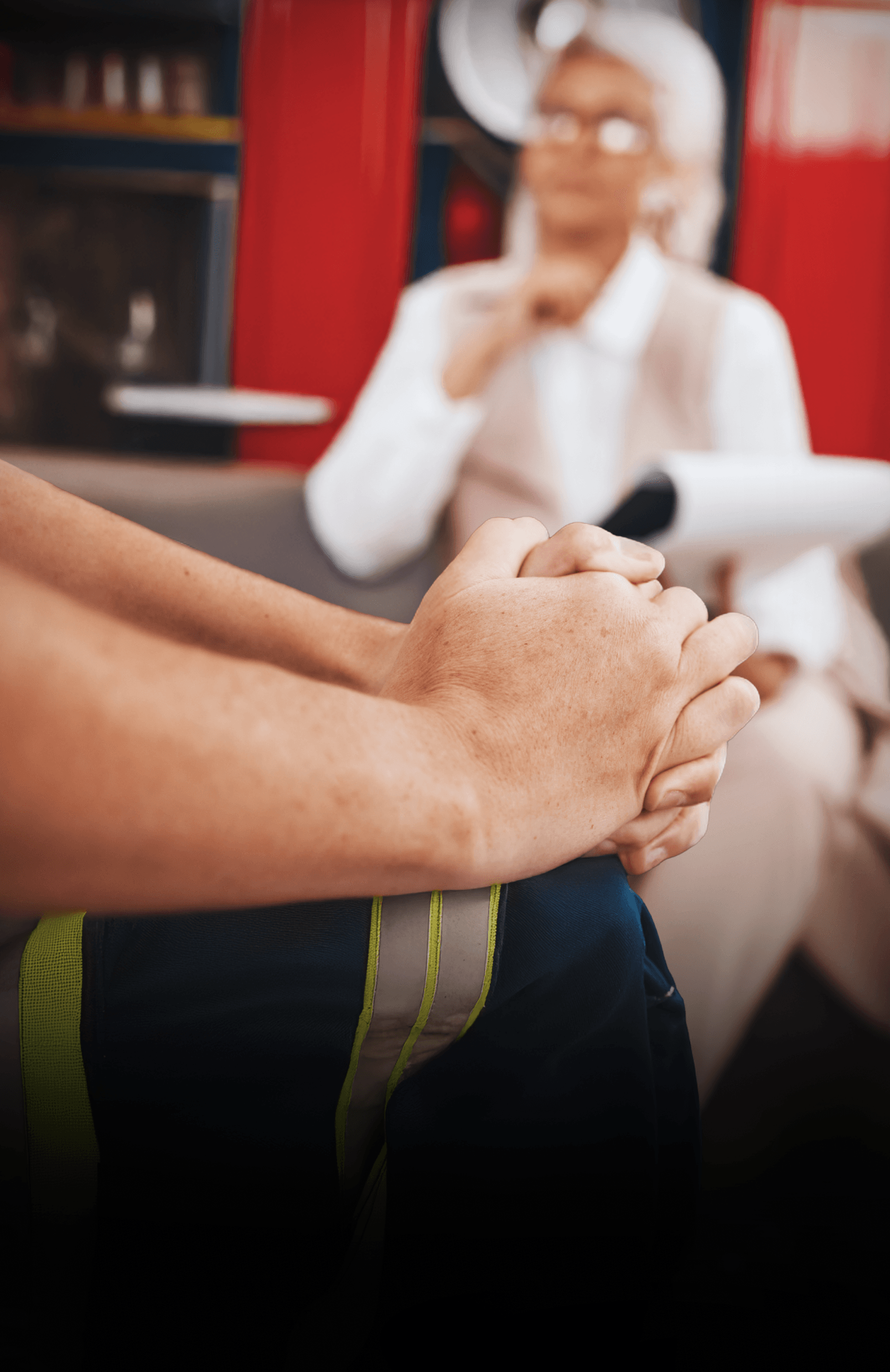
That’s why I intentionally carve out time to rest, recover, and check in with my physician, therapist, peers, or chaplain if I’m having a difficult time recovering.
Over my 30-plus years in the fire service, I’ve responded to many disaster scenes marked by deep loss, some involving the horrific deaths of many children, others where entire communities were wiped away. Mass-casualty or fatality incidents add an extra layer of stress and emotional weight.
When I return home, it often takes days, sometimes weeks, to find equilibrium and return to any sense of normalcy. These events leave an imprint. It’s impossible to walk away from these disasters untouched, which is why managing your mental health is vital to long-term readiness.
Throughout a deployment, I lean on my team and practice what I call tactical grounding. Tactical grounding is a practical, field-adapted mindfulness technique first responders and military personnel use in high-stress environments to regain focus and control amid chaos. It involves deliberately bringing your attention back to the present moment through sensory awareness, naming what you can see, hear, touch, smell, or feel, so your mind and body can reset from the surge of adrenaline and exposure to trauma.
Slow, purposeful breathing, checking in with a teammate for a reality check, or taking a few quiet moments away from the noise can make all the difference when the magnitude of an incident threatens to overwhelm you.
We’re trained to focus and maintain composure while we are in operational mode, yet we rarely talk about what comes later: the nightmares, the doubts, and the fatigue that can linger long after demobilization.
Seeking help through peer support, therapy, chaplaincy, or simply having an honest conversation with the team lead is far from weakness. In fact, I’ve learned it often takes more courage to face your own wounds than it does to face a hurricane or wildfire head-on.
I’ve also discovered the importance of spiritual resilience. For some, it’s grounded in faith; for others, it’s understanding a sense of purpose or the answer to “your why” of doing this type of work. Disaster scenes, especially those involving children, can force us to confront hard questions: Why did this happen? What could have been done differently? Am I still fit for this work?
I’ve asked myself all of these questions. I can usually find solace in prayer, sometimes in quiet reflection, journaling, or talking with a chaplain (and yes, even chaplains need chaplains). Making space for the spiritual side of recovery is just as essential as making space for your mental and physical recovery. These spiritual practices don’t just comfort me; they re-center me. They remind me of my “why.”
Engaging in spiritual routines also helps me reconnect with the values that led me to put on the uniform in the first place. Even informal debriefs or team gatherings can become moments of gratitude and shared reflection that set a tone of healing and hope.
Of course, none of this can be sustained without the support of family and loved ones. If you’re anything like me, leaving for deployment means facing anxious farewells, worried children, and partners who shoulder invisible burdens.
Clear, honest communication goes a long way. Let your loved ones know what to expect, both during and after deployment, and assure them it’s OK to talk about fears or needs. During an incident, I rely on texts and quick calls to bridge the distance, even if only for a few seconds. Having a support network for your family while you’re gone can ease the anxiety they feel in your absence.
When it’s time to return home, reintegrating after a demobilization takes time. It’s not an event that’s over in hours or a day or two; it’s a process that can take many days and sometimes weeks. You have to reorient not just to home life but to relationships with family and loved ones, day-to-day routines, and even your workplace.
Regular life can feel monotonous and boring after living off of adrenaline for an extended period of time. Depending on the type of incident and the length of deployment, it can take time to find your footing again. Talking about your experiences in an appropriate way, while also giving your loved ones space to share theirs, helps everyone reintegrate in healthy ways. Remember, families need support, too. It’s just as important that they have access to counseling, peer groups, and communities of faith that can help them carry the emotional load of loving someone who serves on the frontlines of tragedy.
Recovery and reintegration deserve the same attention as preparation and response. Shifting gears from the adrenaline of deployment back to daily life is rarely seamless. Sometimes it feels like I’m having an out-of-body experience. I know my physical body is in my home, but my mind is still wandering the grounds of the disaster site.
I have to make it a point to reestablish my day-to-day routines, such as working out, eating at regular times, engaging in spiritual practices, and spending time with family and friends. Keeping up with ongoing mental health check-ins and peer mentoring cements a culture of resilience, both for myself and for newer team members stepping into these demanding roles.
Caring for your body, mind, and spirit is not a luxury; it’s mission-critical. For those who respond to disasters, holistic wellness is the backbone of endurance. By prioritizing health across every dimension, we honor ourselves, our loved ones, our peers, and the communities we serve. Practicing wellness daily ensures that when the next call comes, you’ll be ready — not only to respond, but to endure, recover, and heal once you return home.