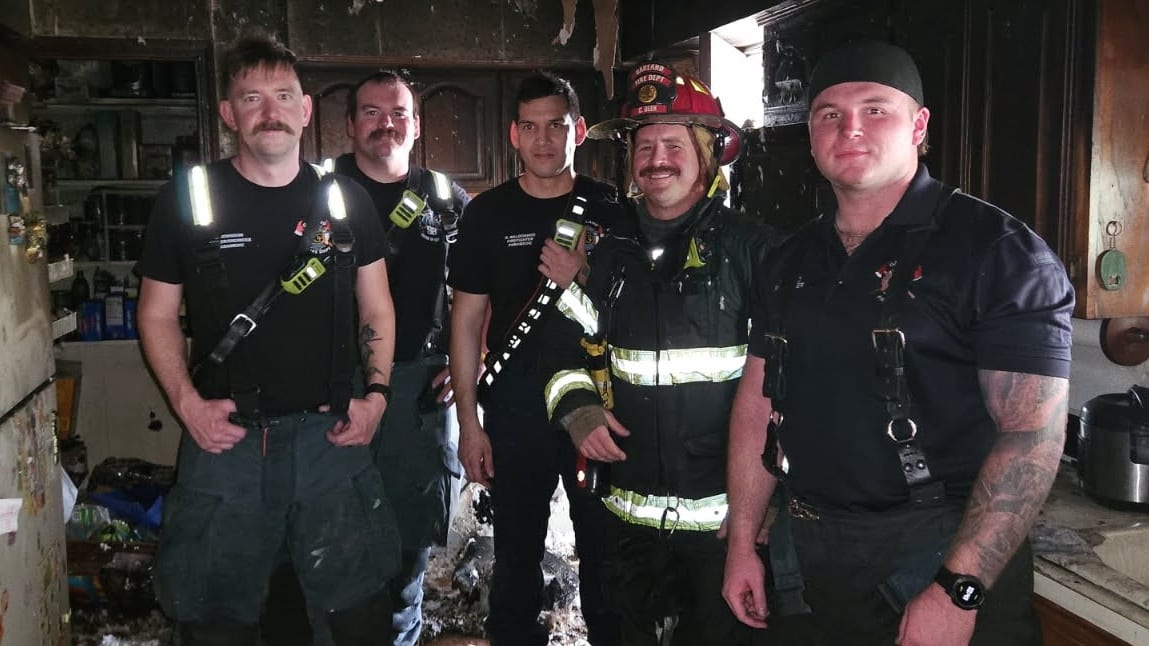

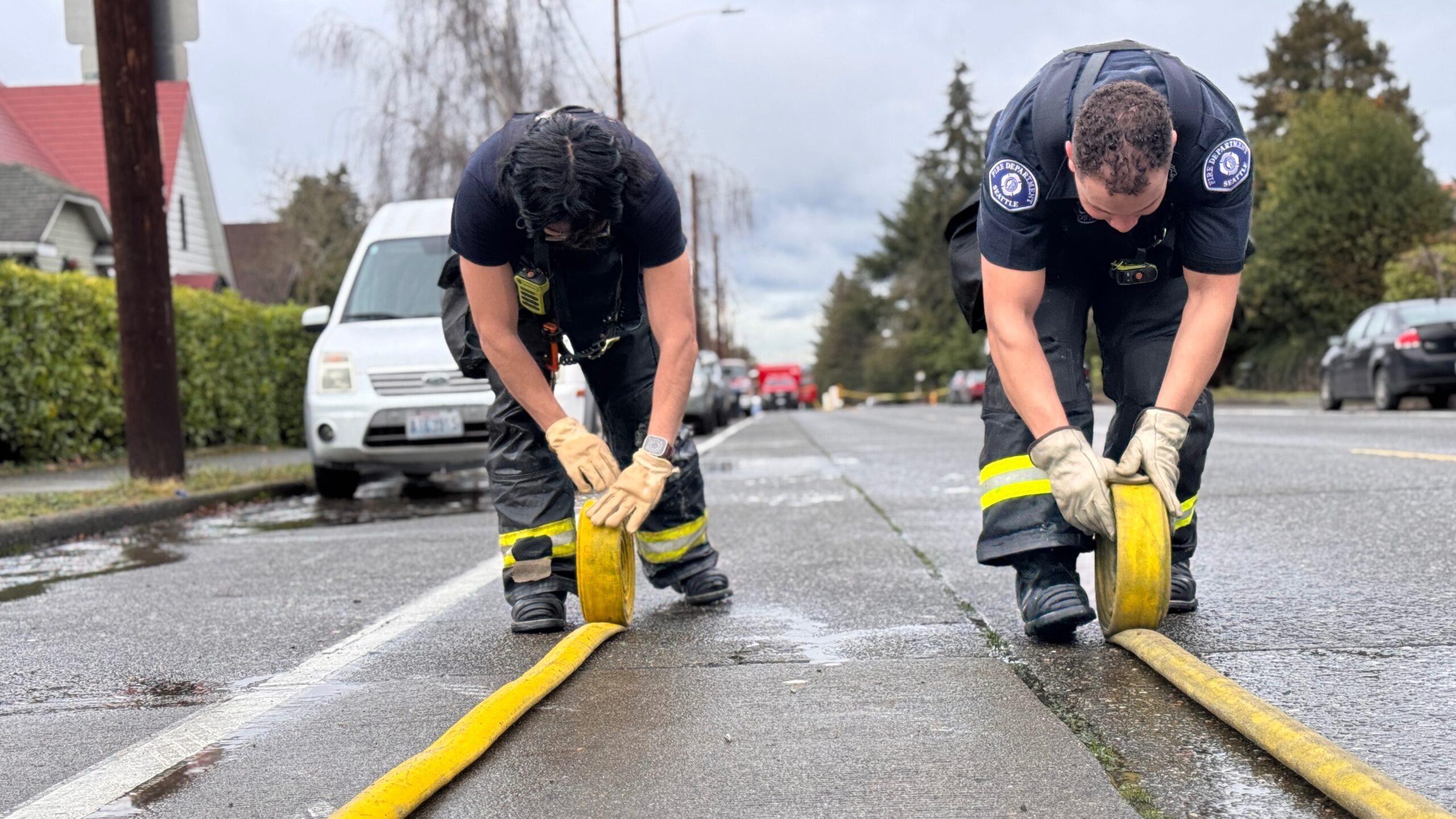
Photo by Steve Baer | FireDog Photos
I’d be bold enough to say most of us – if not all of us – know the difference between a good leader and a poor one. The contrast is usually pretty obvious. But I’m not talking about that obviousness. I’m talking about hindsight. That moment years later when you finally realize, Damn … I had it good and didn’t even know it.
Early in my career, I served under some incredible leaders. I followed them. I respected them. But I didn’t truly appreciate the way they led until much later. Their leadership didn’t come with flashy speeches or micromanagement. It came through presence, timing, being calm under pressure, and little moments that stuck with me even though I didn’t realize it at the time.
One officer in particular left a mark I still carry. I was new – eager, overwhelmed, wired to react – and I remember him pulling me aside after a rough call and saying something simple: “It’s not your fault.”
That might sound small. But in that moment, it wasn’t. He was teaching me that I didn’t need to carry the chaos of someone else’s worst day like it was mine to fix. He was giving me a filter. A way to stand in the storm and still hold purpose without being crushed by the weight of it. It didn’t mean I stopped caring – it meant I learned how to keep caring without drowning in it.
That’s leadership.
That’s the kind of mentorship that doesn’t get recognition until it’s already done its job. You don’t always understand its value until you’ve moved on, seen worse, or realized the next person in that seat lacks the same presence.
The Shadow of Poor Leadership
But not every experience is that kind of gift.
There are also officers – the ones you follow because you have to, not because you want to. The ones who walk into a room and leave it colder. The ones who never grew into their rank, and instead hide behind it. Sometimes it’s subtle – just a tone, a look, or the way they dodge responsibility or kill morale without saying a word. Other times, it’s louder: inconsistency, emotional instability, disrespect. And still, you hear the whispers around the station. The side comments. The avoidance. Everyone knows. Nobody says it out loud.
That, too, shapes you.
If you’re not careful, you absorb it. You carry those traits forward without realizing. You adapt to survive instead of filtering what not to be. And that’s where the real challenge is – learning how to witness poor leadership without becoming a reflection of it.
I wish we had a system to isolate the ones who choose not to lead. The ones who actively opt out of developing themselves or others. But we don’t. And we probably never will. Leadership is easy to promote and hard to measure. You can’t mandate respect. You can’t teach empathy from a policy binder.
But you can decide what you take with you and what you leave behind.
The Impact of Mentorship
If you’re lucky, you’ll have a few mentors who anchor you for life, people who gave you just the right words at just the right moment, without even realizing how badly you needed them. And if you’re unlucky, you’ll still have teachers. They just show up as examples of what not to do.
Both are valuable.
So pay attention. You don’t always get to choose your leaders, but you always get to choose who you become because of them. Don’t waste the good ones. Don’t mimic the bad ones. And don’t fall into the trap of blaming your environment for the leader you decide to be.
You’re in the position you’re in for a reason. So lead like someone’s watching – because they are.
Kory Pearn is a career firefighter and captain; and the founder, publisher, and editor-in-chief of CRACKYL Magazine.