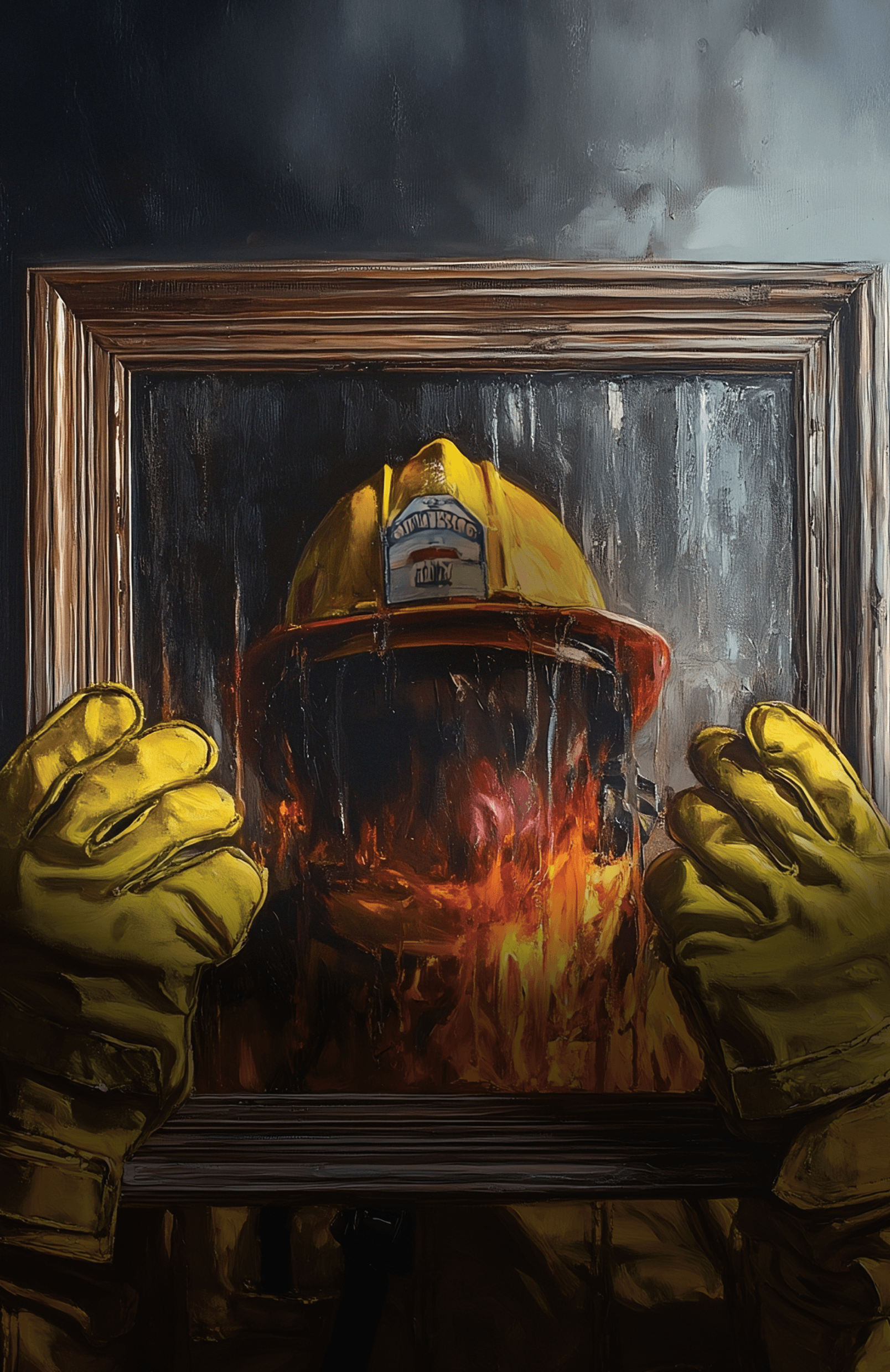
Grit has meant both a stony material and a stony-faced attitude – impervious to the elements of the environment. A human Rhino liner, if you will, is unlikely to crack under both normal and extreme conditions. But just like the protective layers of your gear only go so far in shielding you from harmful exposures, your professional mindset can only protect you to a certain extent from human outcomes.
There is no way around it.
That must be why training emphasizes grit. Which isn’t a half-bad quality, since grit is typically found alongside passion, persistence, and a sense of purpose. Thing is: grit has always fit snugly against the long-standing firefighter culture of machismo, strength, and stoicism. But ironically, as researcher Angela Duckworth describes, grit actually represents an ultimate concern that gives meaning to what we do. However, concern requires human connection and that connection can lead to empathic pain.
Tragic outcomes, tactical impotence, pediatric fatalities, recovery of remains, departmental betrayal, near misses and close calls, or losing a friend to cancer or suicide all lead to psychological and emotional dings in your armor. And not only from work, but from your personal life – health scares, accidents, infidelity, divorce, and a hundred other circumstances. You cannot perceive only enough to do your job effectively without also absorbing lasting images and sensations.
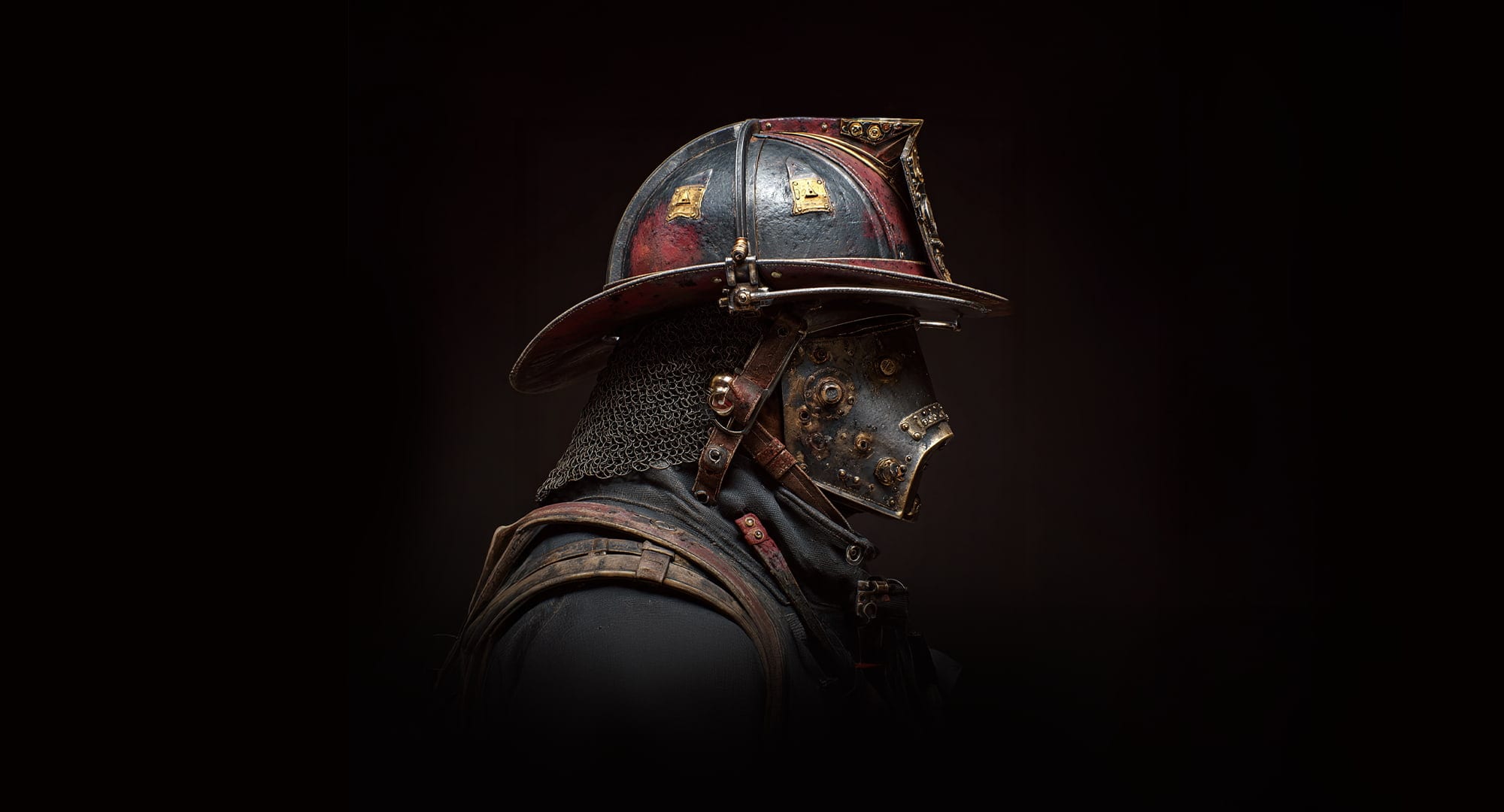
No amount of psychological chain mail or emotional suit of armor can keep you from reacting to the contents of your job.
You can be the most technically and tactically sound firefighter and still experience impacts from your work. A good thing, too, since the essence of our humanness is to think and feel.
And honestly, contrary to what some firefighters think, the day you start to really feel things on the job is not when it’s time to hang it up. You know, the point where “I’m good” means “I’m good enough” and “I’m fine” means “Nothing to see here.” Rather, on the day you stop feeling or do not even recognize that you have, it is time for a recalibration.
Sometimes the effects of work are obvious and sometimes they are more subtle. But you definitely know you’re a firefighter if…
CARDS
So, how about a change in the old-school assumption that being professional means being unaffected, unimpacted, and unbothered by the job? Not weak, soft, and never worth a shit. Screw that. No one respects a firefighter with a slick sleeve unblemished gear because their mettle has not yet been tested. But likewise, the rookies cannot trust you (and your family cannot rely on you) if you are not experienced in self-assessment.
The more stoic, strong, and gritty you are, the more often you have been in the path of things that may need reconciling. And you did not get into this business to stay clean, literally or metaphorically, so it only makes sense to “field day” your internal mindset, emotional bandwidth, and relational repertoire from time to time. After all, enough dings can compromise the integrity of your proverbial armor.
LIST
So, the trade-off for the gratifying job comes down to having to catalogue and dialogue: identify how and why the dings exist and do not keep that to yourself. Figure out how you have become who you are and the meaning you make of the good and bad shit you have been exposed to.
It is not easy to do, but important things rarely are. And as you pass down operational wisdom to those who will someday replace you, include this practice in their preventive maintenance brief.