
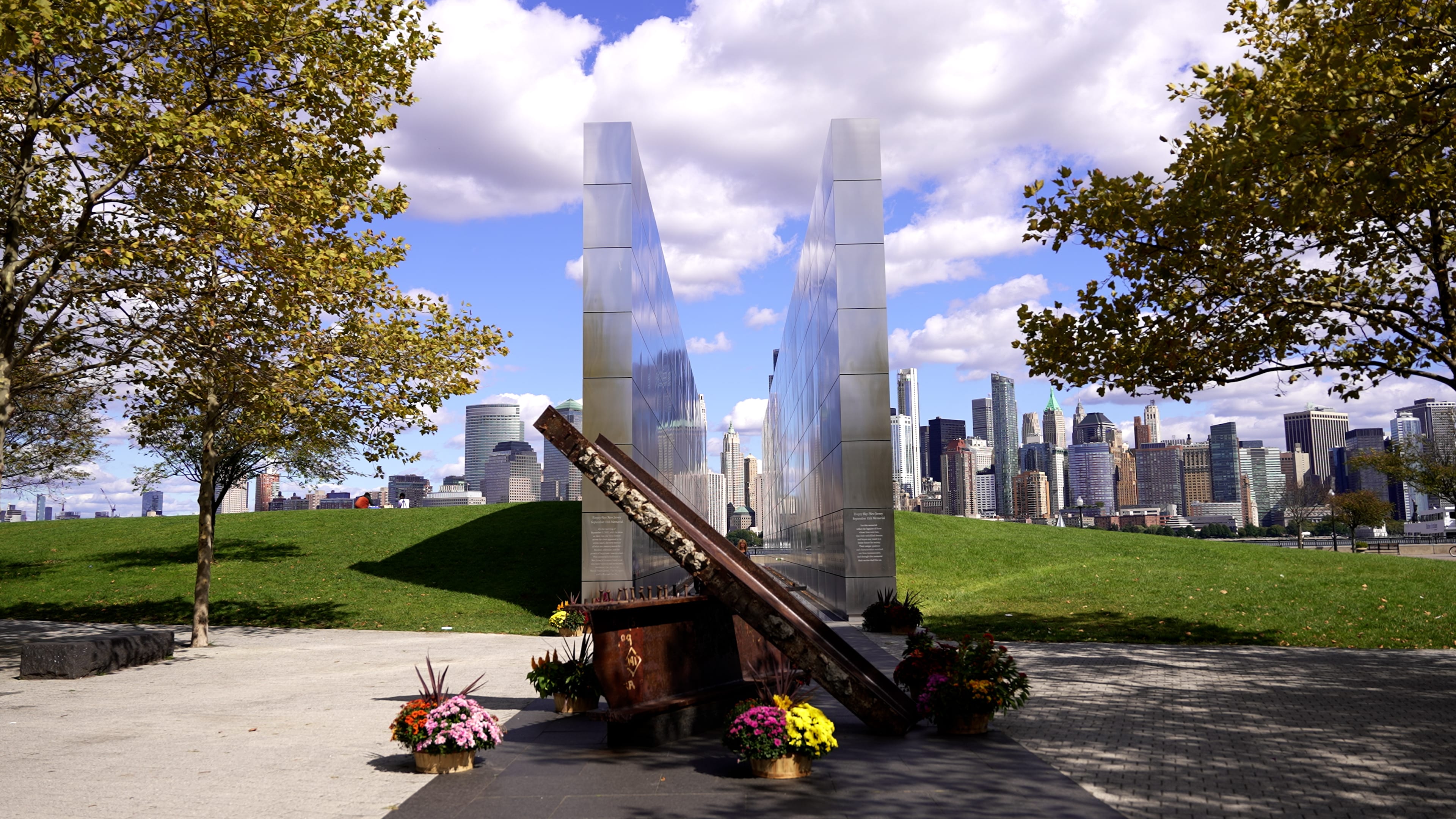
The Heroism and Resiliency of 9/11 captures something deeper than individual bravery: the force that gathers people into a collective response when human survival is at stake
When SoldierStrong co-founder and 9/11 Legacy Foundation founder Chris Meek approached filmmaker Michael Gier about producing a documentary for the 25th commemoration of 9/11, he knew he wanted to help America remember. What he did not yet know was what kind of film they should make.
Chris had been in New York on Sept. 11, 2001. What he witnessed changed the direction of his life. Although he continued his Wall Street career, he co-founded SoldierStrong, which supports veterans through advanced rehabilitation technology, mental-health resources and other services. When the 20th commemoration passed with less attention he believed it deserved, he became determined that the 25th would be different.
Michael recognized that many films had already documented the planes, the collapsing towers and the terrible losses of that day. He proposed focusing on something broader: the people whose actions changed the outcomes of 9/11, including many whose names remain unfamiliar to most Americans.
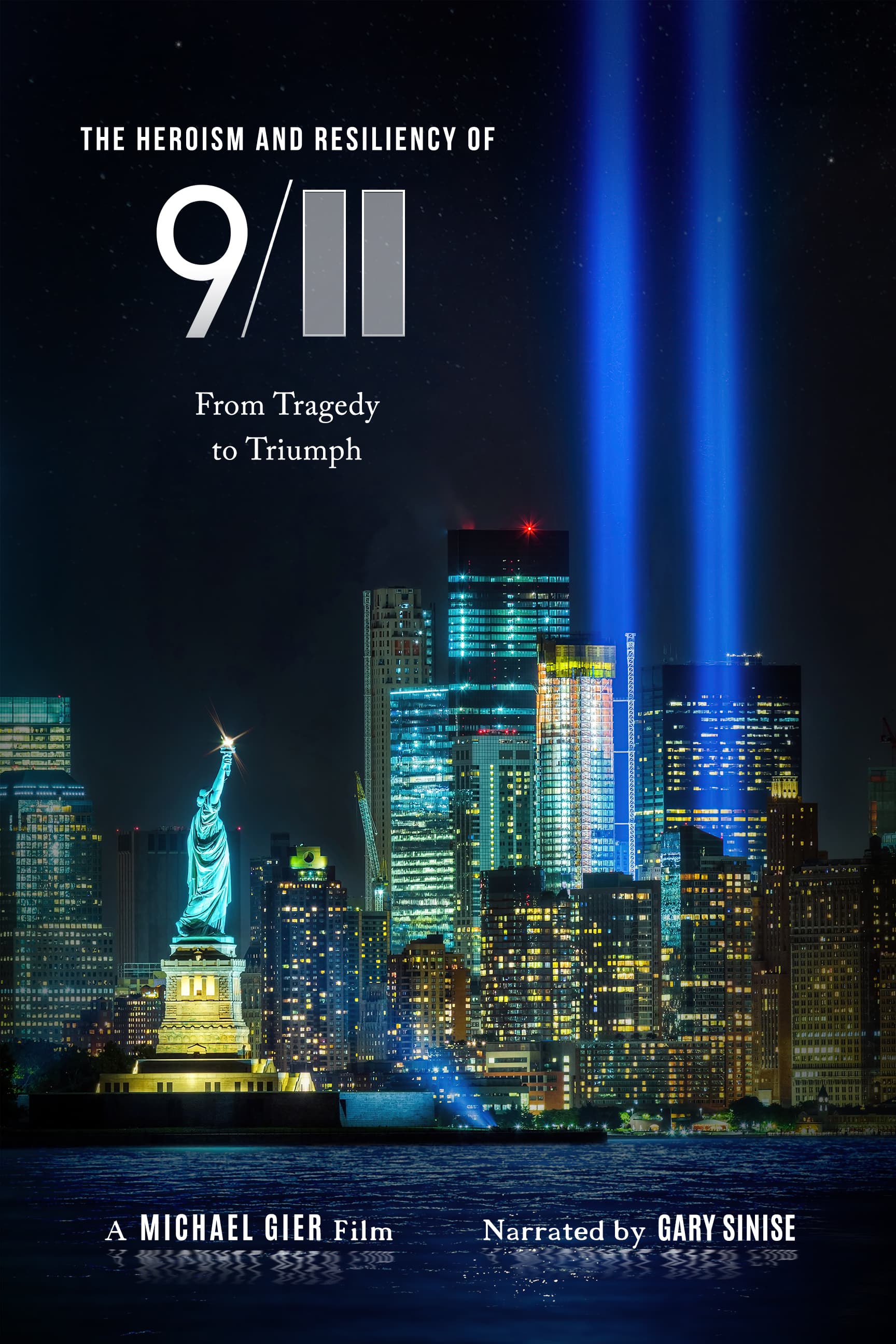
The result is The Heroism and Resiliency of 9/11: From Tragedy to Triumph.
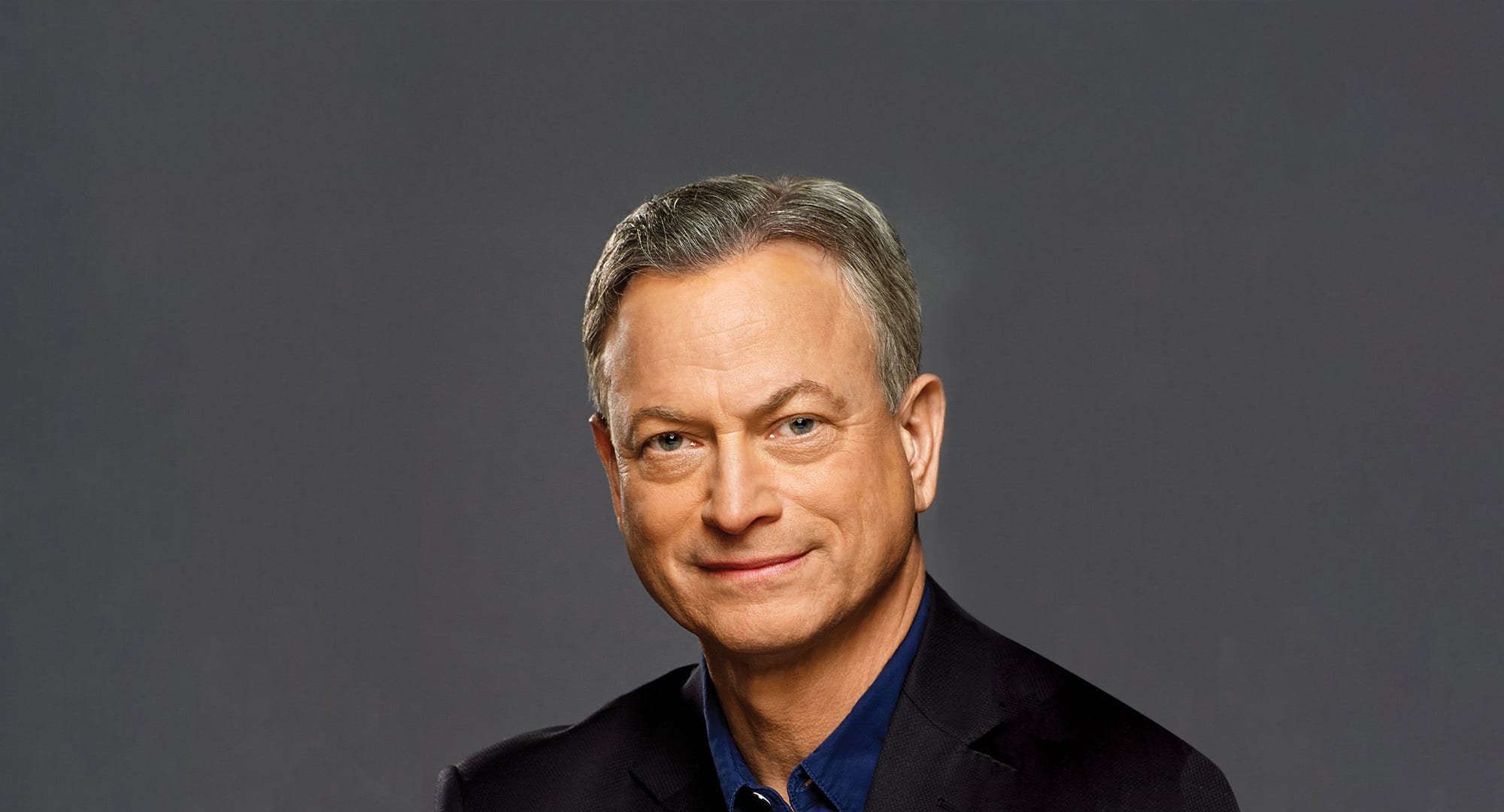
The film is executive produced by Chris, directed and produced by Michael, and narrated by Gary Sinise. Through firsthand accounts, archival footage and dramatized reenactments, the film presents heroism across many forms: firefighters and police officers, civilians helping one another escape, rescuers descending into unstable wreckage, mariners evacuating lower Manhattan, and people whose lives were redirected toward service in the years that followed.
Michael is a friend of mine who previously interviewed me for his award-winning documentary Wounded Heroes. For more than 20 years, I have worked closely with people who have the warrior spirit — military members, veterans, firefighters, law enforcement officers and other protectors and defenders. As I watched the stories Chris and Michael assembled, I was struck by how well the film captures a deeper truth: Heroism is not limited to isolated acts of courage. Under catastrophic pressure, it can become a collective human state.
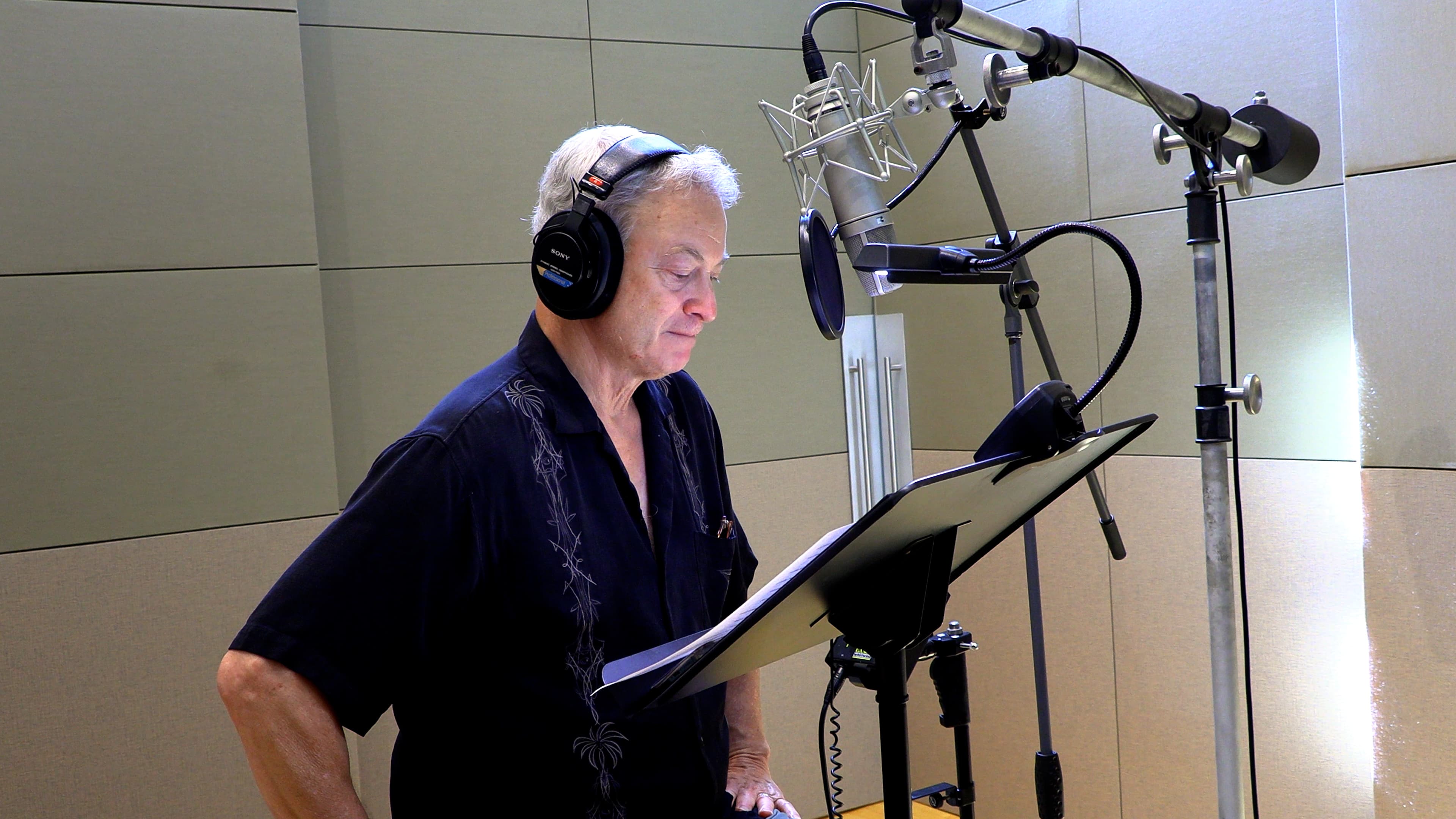
Catching the Wave
The closest metaphor I have found for this experience comes from big-wave surfing.
A big-wave surfer feels an enormous force gathering underneath the board. As the wave rises, every detail seems to register. Time seems to change. Sounds become more distinct, awareness expands and the surfer enters a state of intense flow in which instinct, training and action seem to converge.
During a catastrophic event, protectors can experience something similar, except the lives at stake are not only their own. They are trying to track conditions, interpret incomplete information, recognize who can still be reached and coordinate with others while the entire environment is changing around them.
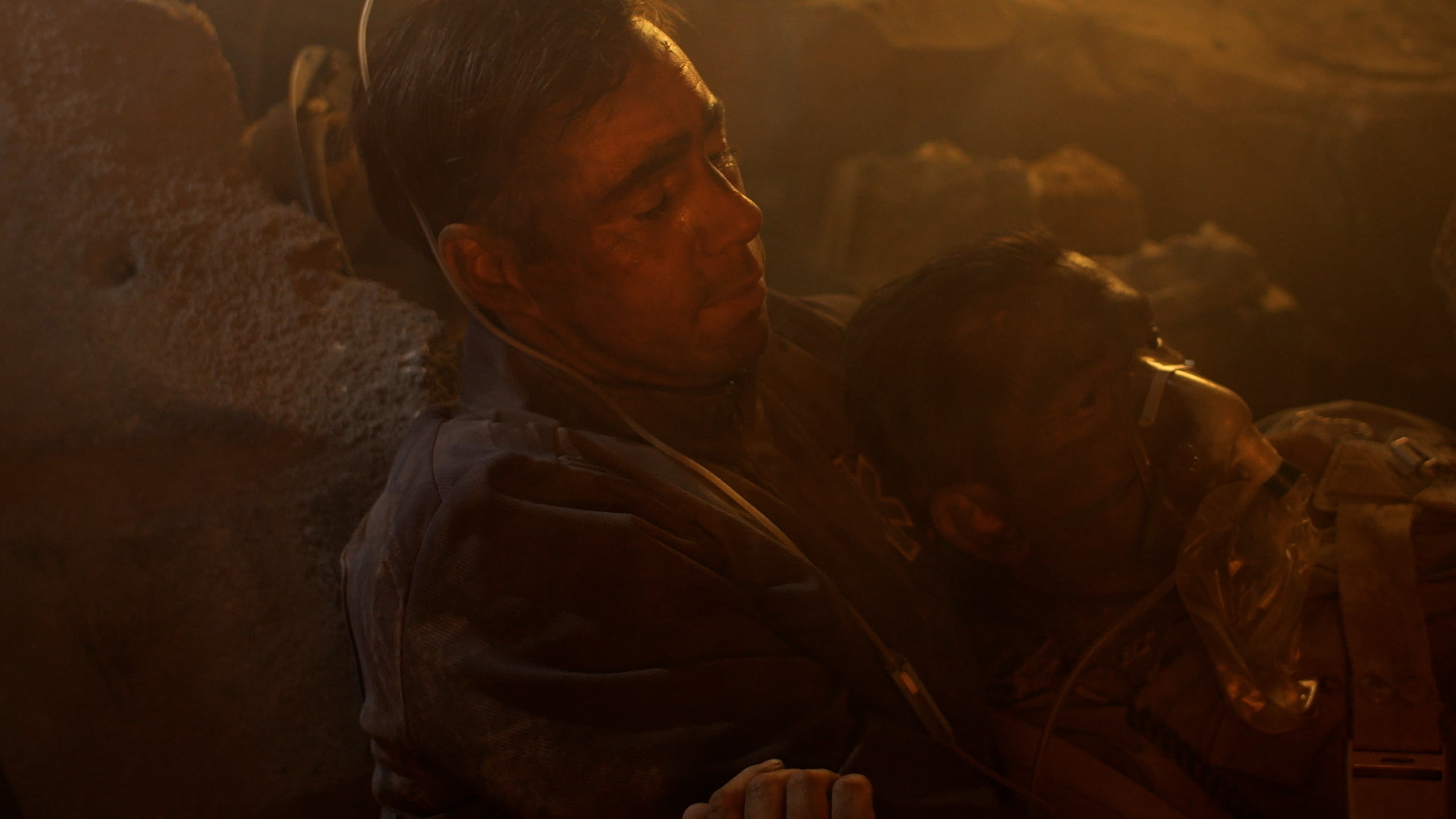
Port Authority police officer Will Jimeno and Sgt. John McLoughlin were buried approximately 30 feet beneath the wreckage of the World Trade Center. The rescuers who descended toward them understood that the debris remained unstable. They did not know whether the officers could be reached or whether the wreckage might shift again. They had to keep evaluating what was possible as conditions evolved.
Firefighters will see more in this story than a generalized idea of bravery. They will think about structural stability, communication, available resources, egress and what the rescuers knew at each point. Recognizing the intelligence, discipline and technical capability within the rescue is a more meaningful form of admiration than simply marveling that someone was willing to take the risk.
Welles Crowther, later identified as “the man in the red bandanna,” worked in the South Tower and had served as a volunteer firefighter. After the plane struck, he led people through smoke toward the stairs and returned to help others. He remained oriented enough to identify a route, communicate clearly and create enough confidence that frightened people followed him.
Compassion moved him toward others. His capability gave him the ability to help them survive.
The experience can be physically exhausting while also producing a profound sense of meaning. People may not notice time passing or the extent of their own depletion until the intensity begins to recede. When the wave finally breaks, they can feel completely wrung out and, at the same time, deeply fulfilled by having been able to act when their capabilities were needed most.
Heroism Is Rarely “Semper I”
There is another quality of heroism the film captures particularly well. People who act heroically are often less interested in their own actions than in what they witnessed other people doing.
A retired police detective and 911 responder named Michael Saxe, who is featured in the film, recalls noticing civilians helping one another evacuate, delaying their own escape to carry injured people or assist strangers who could not move quickly enough. Even while participating in the response himself, his attention was drawn outward toward the extraordinary behavior unfolding around him.
This resembles what I have heard privately from countless first responders, military service members and veterans. Some of the people many consider heroic are distinctly uncomfortable with the label. They do not want to be psychologically separated from the brothers and sisters beside whom they served and sacrificed. They see the outcome as something the tribe accomplished together.
The conventional hero story often reflects the civilian value of rugged individualism. In military culture, excessive individualism is not considered a strength. Marines sometimes describe a self-focused person as “Semper I” rather than “Semper Fi.”
This helps explain why some decorated service members look deeply uncomfortable during ceremonies held in their honor. When they say, “I only did what anyone else would have done,” they may be telling us that individual recognition does not match their internal experience. They remember the people around them whose sacrifices were equal, greater or simply less visible.
The same dynamic can exist within the fire service. Years of training create professional protectors capable of doing things most people cannot or will not do, but firefighting is fundamentally interdependent. The competence of the individual is inseparable from the crew, the training, the communication and the trust that allow people to perform together.
9/11 also demonstrated that the warrior spirit is not confined to those in uniform. Civilians, mariners, public servants and others stepped into roles the moment demanded. Not everyone has the same warrior spirit or the same preparation, but many people carry a desire to become useful, protect life and take their place inside something larger than themselves.
In its most selfless form, heroism can become an act of love. It becomes less about individual glory and more about a temporary experience of profound connection with other human beings. People stayed with strangers at the possible cost of their own lives, even when doing so could mean that their own children would grow up without a parent.
For people of faith, this may be experienced as the highest expression of trust in God. For others, it may be felt as an almost sacred connection to humanity, tribe or mission. In either case, the individual self becomes less central than the collective life being protected.
Becoming the Protector You Once Needed
One of the film’s most psychologically compelling stories belongs to Chuck Sereika, a former paramedic whose life had been badly disrupted by addiction. On the morning of 9/11, Chuck heard a message from his sister saying she assumed he was already at Ground Zero helping.
He was not, but her words reached a part of his identity that had been obscured rather than erased. Chuck went to Ground Zero and became part of the rescue that saved Will Jimeno.
Some people with the warrior spirit have known helplessness intimately. Some have known helplessness intimately, including those who experienced trauma as children. Rather than spending their lives avoiding situations that resemble what they survived, they become the protectors they wish they had had.
Where they were once helpless in the unfolding of trauma, they are now the person who stands between harm and someone unable to stop it. For some, that training began long before the academy, as they learned to read subtle shifts in mood, anticipate danger and remain functional inside chaos.
This helps explain why helplessness is often the most intolerable emotion for protectors. In trainings and keynotes, I have asked hundreds of first responders which of five emotions they find hardest to tolerate: anger, fear, loneliness, disgust or helplessness. Helplessness is the overwhelming answer.
Their warrior code is organized around preventing it. As I wrote in Warrior, people with the warrior spirit do what others cannot or will not do because of an internal moral code. Many were forged in fire long before they entered the fire service.
Chuck’s story should not be reduced to either addiction or redemption. Someone can struggle profoundly and still retain courage, skill and a strong service identity. His addiction did not erase what he was capable of doing, and what he did on 9/11 did not erase everything he would continue to carry afterward.
After the Wave Breaks
We disrespect people when we leave them trapped inside the label of hero. It can communicate that they are fundamentally different from the rest of us — more resilient, less vulnerable and somehow less affected by what they have seen.
That framing can ignore everything they may still carry afterward.
The same nervous system that allows someone to function at an extraordinary level during an emergency can be visited later by waves of grief, horror and exhaustion. Experiences may become seared into memory and replay across the retina through movies cast by the brain. Post-traumatic growth and a deeper sense of meaning may develop alongside intrusive images, survivor guilt, moral injury and questions that remain unresolved for decades.
Sometimes heroism is closely bound to helplessness. A firefighter may feel the tremendous surge of the wave and possess the will, training and capability to act, yet lack the resources needed to create the outcome they exist to produce. On 9/11, the scale of destruction compromised communications, damaged water-supply systems and created conditions no available resource could overcome.
A protector can understand intellectually that an outcome was impossible and still suffer because helplessness cuts directly into the core of the protector identity.
Several first responders told Michael that being interviewed for the film was cathartic. That response reflects the trust he established and the care with which he received their stories. Being heard by someone they trust can help people put language around what happened, connect parts of the experience they may never have spoken about and describe it without needing to manage the listener’s reaction.
I have long been cautious about labeling people “heroes” or “resilient.” By definition, someone is resilient until they are not. When a person has been publicly defined by exceptional strength, a later struggle can produce shame and drive that person into a kind of solitary mental exile.
The resiliency captured in Michael and Chris’ film is collective: people drawing capability, purpose and strength from one another during the event and continuing to find meaning and connection in the years that follow.
The Heroism and Resiliency of 9/11 preserves the history of 9/11 without freezing the people who lived it inside the label of hero. It shows the warrior spirit moving through trained professionals and ordinary citizens, gathering them into a collective response that changed countless outcomes.
The wave called people into action and drew them toward one another in ways many would remember for the rest of their lives. It also left many of them forever changed. Holding both truths is how we honor their service without denying their humanity.
The Heroism and Resiliency of 9/11: From Tragedy to Triumph has received five Best Documentary honors and is available through Amazon Prime Video, Apple TV, Google TV and YouTube Movies. Proceeds benefit The 9/11 Legacy Foundation. Watch the trailer and learn more here.
Dr. Shauna “Doc” Springer is a leading national psychologist in warrior psychology, a four-time bestselling author, and a columnist for Police1 and CRACKYL Magazine. A trusted Doc to warfighters and first responders for more than 20 years, she specializes in Human Risk Discernment — equipping public-safety leaders and peer-support teams to better understand complex behavior and hidden risk factors. She is available for select consultation to public safety command staff, peer support teams, treatment centers and organizations that support protectors and defenders.