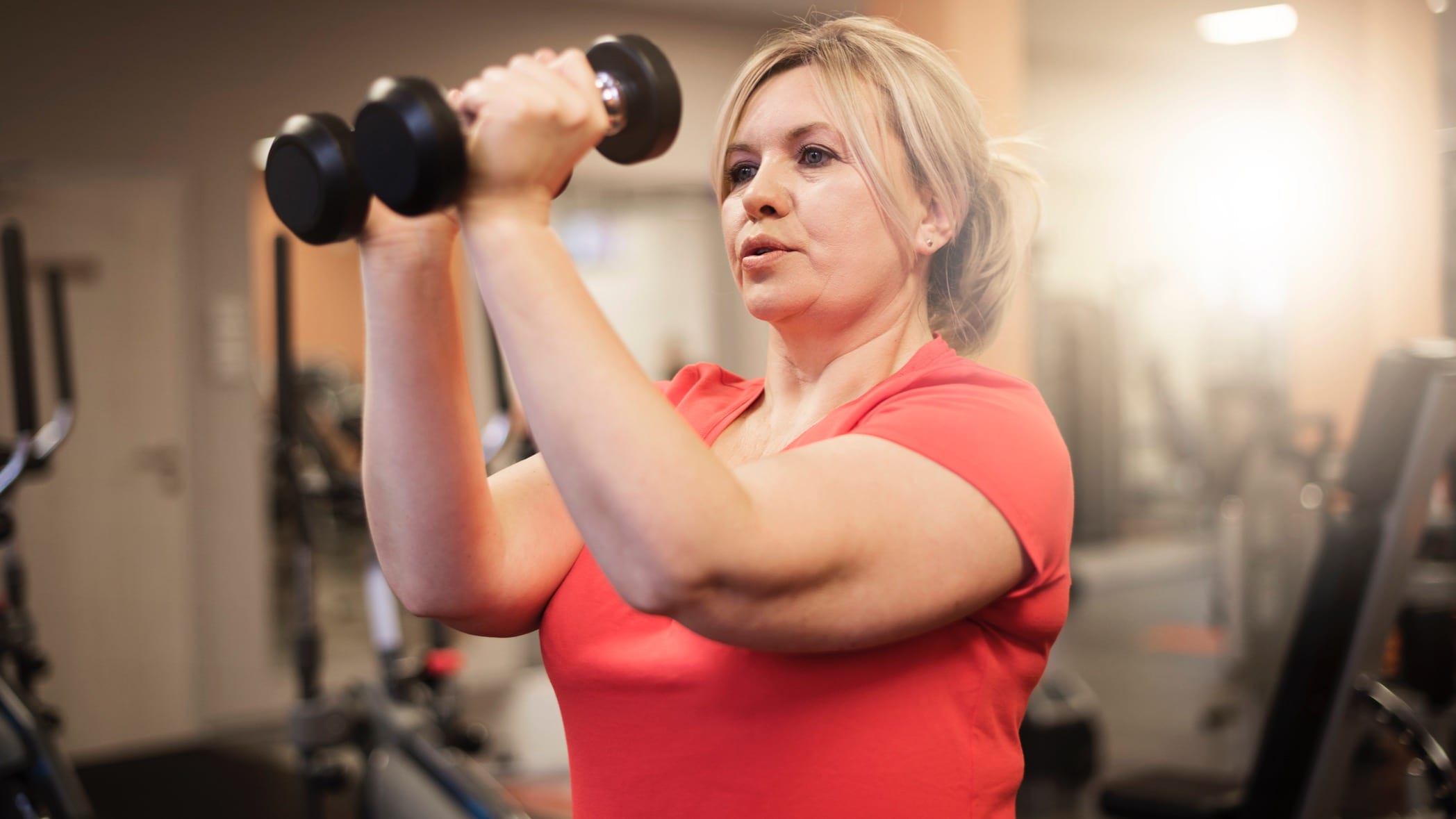
Research suggests post-menopausal women can significantly increase bone density and strength, challenging decades-old beliefs about aging and osteoporosis
It’s been widely believed that we have a finite period of time to maximize our genetic bone-making potential through diet and activity. And that is largely true. Typically, once we’ve reached age 30, our best bone-making years are behind us. But Belinda Beck and her research associates at the Bone Clinic in Brisbane, Australia, designed the LIFTMOR study to determine whether it’s possible for post-menopausal women to build bone beyond what was previously believed possible. As a reminder, estrogen is the most critical hormone for building bone, and once women’s estrogen production decreases during menopause, it becomes challenging to build more bone.
The Study
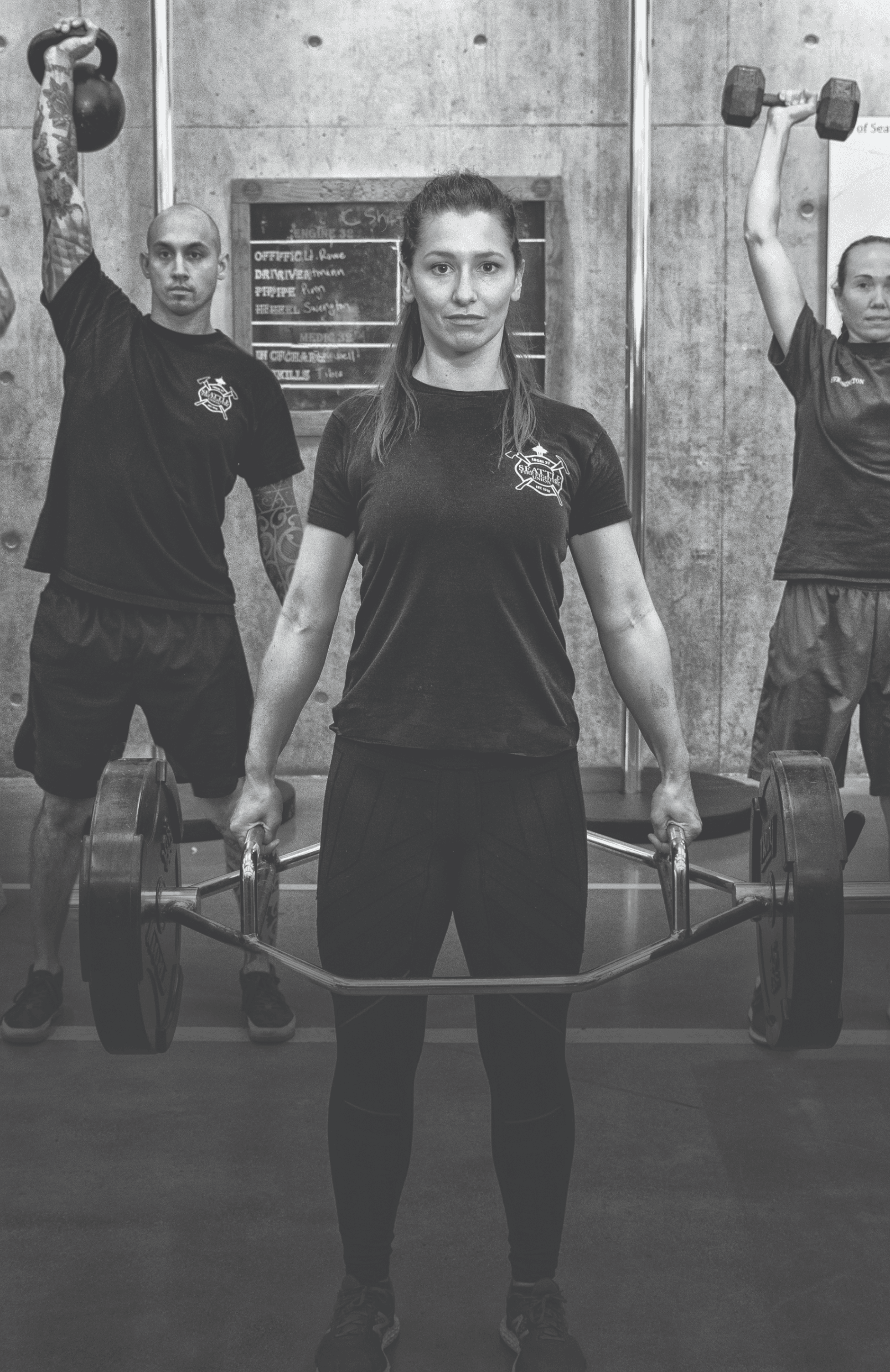
The study included 101 post-menopausal, osteoporotic women (100 women age 60 or older; one woman was 58), and they were randomly divided into two groups. One group followed the high intensity resistance and impact training (HiRIT) protocol that featured two 30-minute resistance training sessions per week for eight months. Each session included four total body, multi-joint exercises (squats, deadlifts, etc.) at loads sufficient to stimulate bone growth (80-90% one rep maximum). The other group followed a program of light stretching and body weight exercises at home for the same eight-month period.
The Results
The results were pretty surprising and quite detailed, so I’ll break them down into bite-sized doses. Improvements at the hip and spine, where most catastrophic injuries often occur due to falls, were significant. Bone strength and thickness increased by approximately 10.5% in the intervention group while the control group experienced a decline of 2.5%, generating a net benefit of ~13% for the weight-lifting intervention group.
Why You Should Care
It’s important to remember the context for this study. For decades, it’s been believed that post-menopausal women diagnosed with osteopenia or osteoporosis could no longer build bone, and their only hope of preserving a minimal level of bone health was to slow the loss of bone from year to year and decade to decade. And the corresponding conventional wisdom was to avoid lifting heavy things as a way to mitigate fracture risk. This study provides hope to millions of women who have lived in fear of rapidly declining bone health and the catastrophic injuries that can result from it.
Caveats
Exercise technique and weight progressions of the participants were closely monitored by clinical professionals during every weight-lifting session throughout the eight-month study to mitigate the risk of injury. If you are at potential risk for injury and considering adopting the strategy outlined in the LIFTMOR study, please seek the help of an accredited professional.
Takeaways
While the results of the LIFTMOR study are impressive and hopeful for women over the age of 60, the best advice is to do everything you can at younger ages to maximize your bone health:
- Parents of kids between the ages of 8-20 should maximize this critical window to build bone mineral density (BMD) through nutrition, activity and sleep
- Avoid smoking at any age, but especially before the age of 20
- The use of corticosteroids is sometimes necessary, but know that one of the side effects is the loss of BMD when used for extended periods of time
- Likewise, there are many cases in which proton pump inhibitors are necessary, but know that there are studies that demonstrate calcium absorption disruption and a reduction in BMD
- Maintain sufficient vitamin D levels
- Prioritize calcium-rich foods, and because calcium is fat soluble, try to consume calcium with fat (2% yogurt, leafy greens with extra virgin olive oil, etc.)
- Calcium-rich foods include dairy products, sardines, almonds, kale, spinach, beans/lentils, tofu, and edamame
- If appropriate, consider supplementing with 1,000-1,200 mg of calcium carbonate, carbon citrate, 800-1,000 IU of vitamin D3 and 300-500 mg of magnesium glycinate, carbonate or citrate
- Women between the ages of 40-50 can consider discussing with their doctor whether they are good candidates for hormone replacement therapy (HRT). In my experience, most GPs are not up-to-date on the latest research regarding HRT, so I would strongly encourage women to seek out an expert in treating perimenopausal and menopausal women
- Because falls often result in fractures among older adults, continuing to train your balance should be a priority in your exercise program, particularly over the age of 50
- Consider getting a DEXA scan to assess your bone health and potential risks