

I’ll admit it — I’m excited about AI. And at the same time, I feel that low-grade tension that maybe I’m a step behind. Not because I don’t understand it, but because it’s moving fast. Last year felt like the year everyone was talking about it. This year feels like the year people are building with it. The conversation has shifted from theory to leverage. If you’re not leaning in, even a little, you can feel the gap widening.
I took an AI course earlier this week. Nothing revolutionary. Just enough to make me realize this isn’t a trend — it’s infrastructure. What struck me most wasn’t some futuristic robot scenario. It was something simple. Searching.
Google used to be the gateway. Type a question. Scan 10 blue links. Compare sources. Build your own answer. We made the transition from cash to debit cards because it was easier. Faster. More accessible. This feels similar. Now when I search, I’m not really searching. I’m synthesizing. I’m asking a question and getting context, comparison, and followup. I’m pushing back. I’m refining. It feels less like clicking and more like thinking out loud with something that can keep up.
Rethinking the Way We Think
That shift alone has changed how I approach problems. I’m not asking, “Where do I find this?” I’m asking, “How do I want to think about this?” That’s subtle, but it changes everything.
So naturally, my brain goes to the fire service.
What happens when we use AI to predict forest fire risk before ignition instead of reacting after smoke shows? What happens when we deploy resources based on live analytics instead of historical averages? What if assignment models help us anticipate fatigue patterns or staffing strain before it hits a breaking point? What if exposure tracking becomes longitudinal instead of anecdotal? That’s not science fiction. That’s data meeting discipline.
The Promise and the Pressure
At the same time, there’s a part of me that’s cautious. AI doesn’t remove leadership; it magnifies whatever you bring to it. If we feed it shallow thinking, we get shallow output. If we outsource judgment, we weaken instinct. If we lean too hard on dashboards, we risk dulling the edge that comes from reading smoke, sensing crew dynamics, thinking on our feet when things go sideways.
Technology can accelerate us. It can also water us down.
That’s the tension I’ve been sitting with this week. Not fear. Just awareness.
The Operator Still Matters
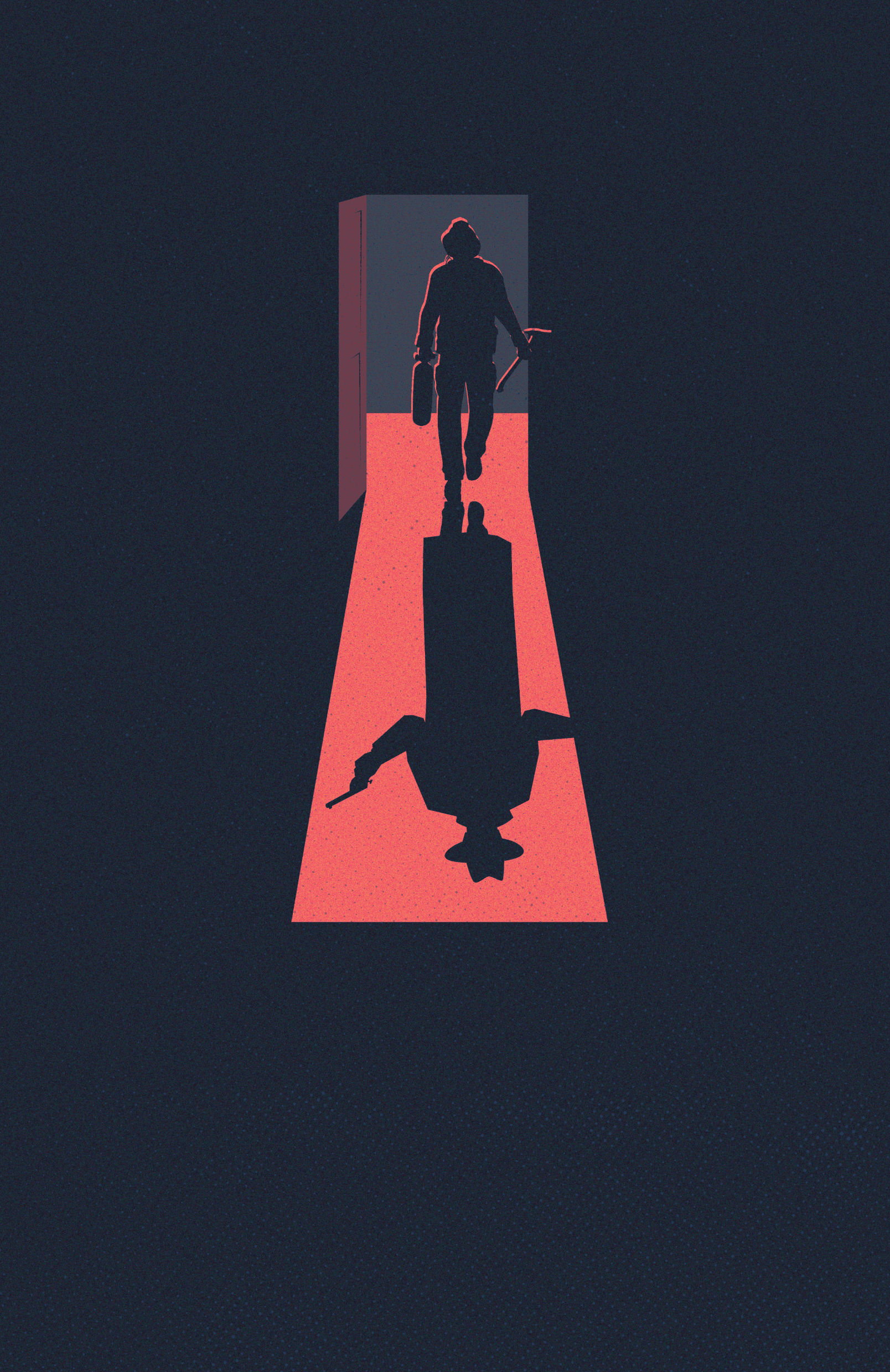
Because the real unlock isn’t the tool. It’s the operator.
AI is only as strong as the questions we ask it and the discipline we bring to the answers … for now. AI will continue to evolve and so should we. It exposes how well we’re thinking. It doesn’t replace the craft. It sharpens — or exposes — it.
For me, the takeaway is simple: stay curious, but stay in the driver’s seat.
Lean in. Learn it. Use it. Let it help us train smarter, project further, analyze deeper. Let it reduce administrative drag and surface patterns we’ve been too busy to see.
But don’t surrender what makes us us.
The truth is we still need judgment. We still need instinct. We still need to be able to operate when the screen goes dark.
Stay sharp. Stay human.
Build forward — without forgetting who’s steering.