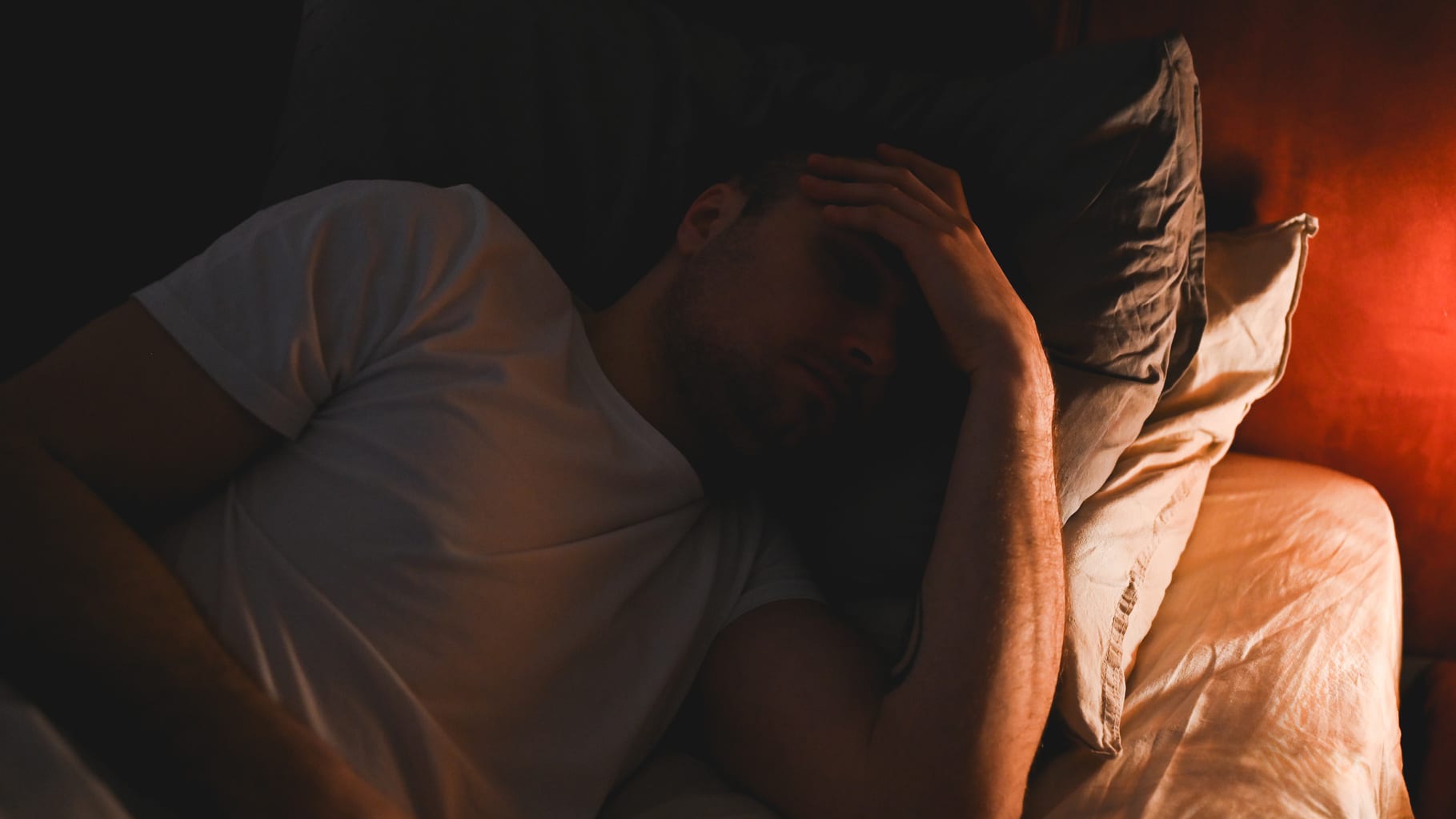
Research suggests specific light cues can stabilize circadian rhythms and promote sleep in those working irregular shifts
For firefighters, sleep is far more than personal comfort. It directly affects operational performance, decision-making speed, and cognitive safety. Few professions are as exposed to circadian disruption. Night shifts, emergency calls, screen exposure, and the physiological stress associated with interventions deeply interfere with the body’s natural ability to fall asleep.
Over the past several years, sleep science has increasingly explored the use of specific light wavelengths to influence the biological mechanisms that regulate the internal clock. This approach is partly rooted in NASA research aimed at helping astronauts maintain stable sleep-wake cycles in the absence of natural sunlight.
Researchers found that short wavelengths in the blue spectrum promote alertness, while longer wavelengths in the red spectrum support the body’s transition toward sleep.
“Light is the strongest factor influencing your circadian rhythm,” says Dr. Angela Holliday-Bell.
This understanding became even more important after the discovery of intrinsically photosensitive retinal ganglion cells, known as ipRGCs, in 2002. Unlike traditional photoreceptors involved in vision, these cells transmit light signals directly to the brain and influence the production of hormones, such as cortisol and melatonin.
When exposed to blue-rich light, these cells help maintain alertness and delay melatonin secretion. Conversely, low-intensity red wavelengths can support the body’s natural melatonin production. This is the principle behind Helight Sleep, a patented device designed to reproduce a sunset-inspired light sequence. It uses narrow-band 630-nanometer red light emitted at a specific intensity and gradually dims as part of its 28 minutes protocol.
“Using low level red light exposure (such as with Helight) before the earlier bedtime should also make it easier to start and reduce the time it takes to fall asleep,” Dr. Holliday-Bell adds.
This progressive dimming is scientifically important. Neuroscience suggests that sudden darkness may trigger alert responses in the brain at the exact moment the body is attempting to enter the early stages of sleep. Unlike synthetic melatonin, red light stimulation works without replacing the body’s natural hormonal production. It does not interfere with the endocrine system and avoids the morning grogginess often associated with sleep supplements.
Red light is also being studied in the field of photobiomodulation. Several studies have shown a correlation between red light exposure and improved sleep quality.
For firefighters, better recovery may directly improve alertness, stress resilience, and recovery between calls. One of Helight Sleep’s greatest advantages is its simplicity. The device works passively, requires no app or complicated setup, and integrates easily into existing routines.
In professional sports environments, athletes using tracking tools such as OURA and WHOOP have already reported measurable improvements in deep sleep quality, the most restorative phase for the brain and nervous system, while using Helight Sleep.
NASA research, advances in chronobiology, and discoveries surrounding ipRGCs have fundamentally changed our understanding of light. Light is no longer viewed solely as a means of vision, but also as a biological signal capable of regulating essential human rhythms.
“It has significantly improved my sleep quality and the sleep quality of my players,” says Karam Al-Hamdani, Sports Medicine Director, Montreal FC (MLS).
For firefighters constantly fighting to preserve sleep quality despite unavoidable disruptions, Helight Sleep may represent a practical and scientifically grounded solution.
“Effective! Reduces sleep latency. I was skeptical that this device would help, but it has improved my sleep efficiency,” says Dr. Pedram Navab.