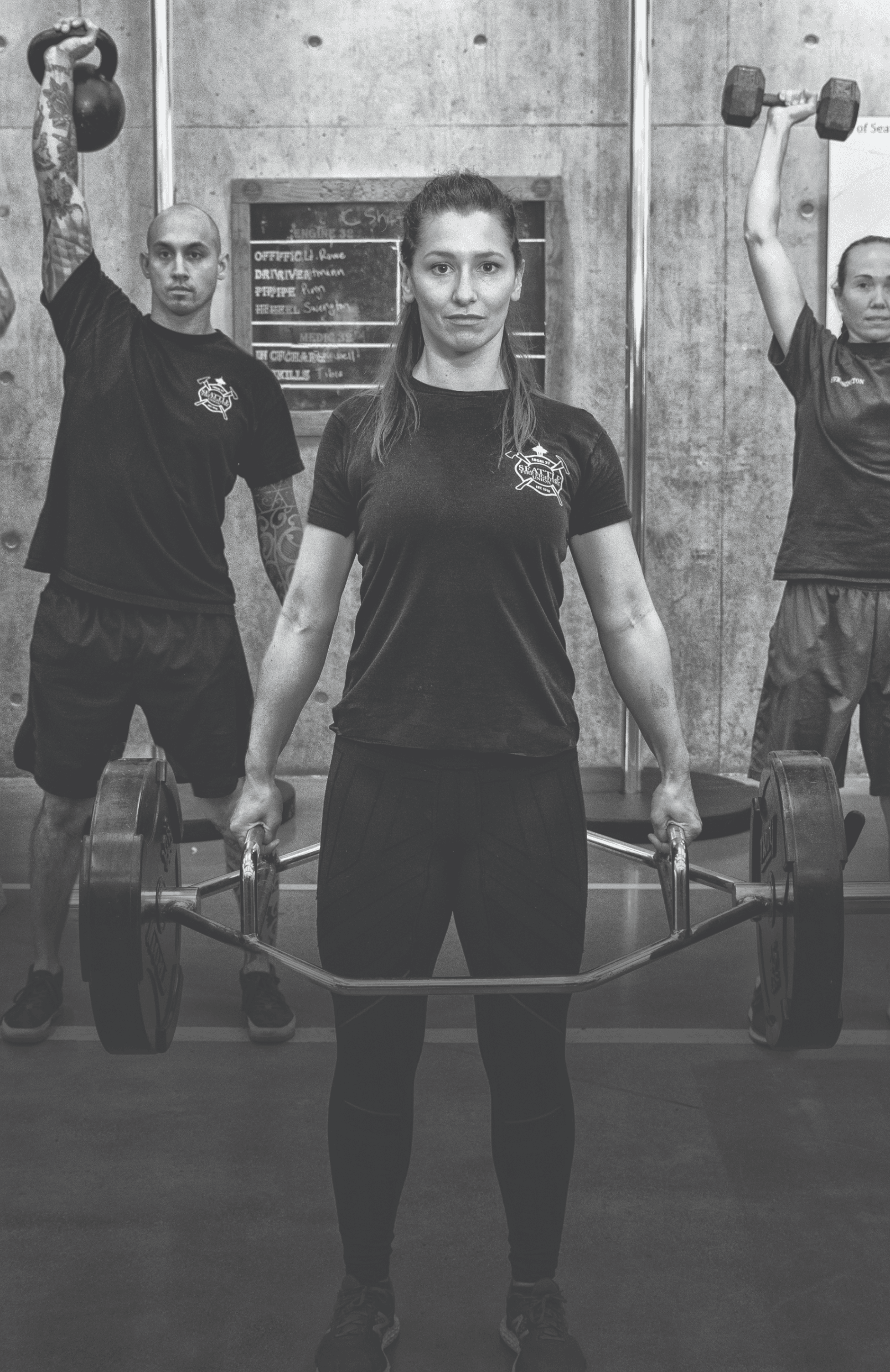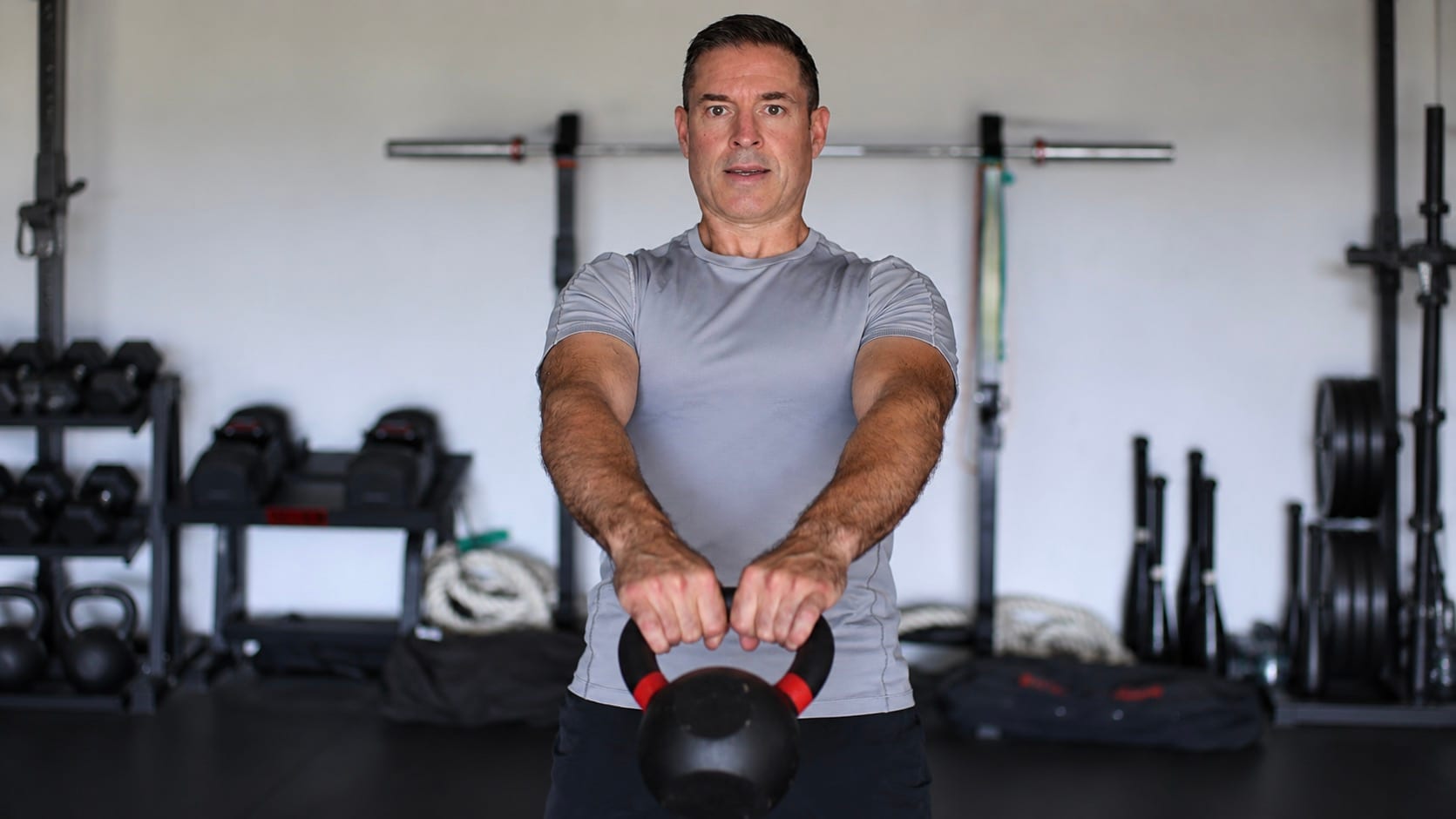
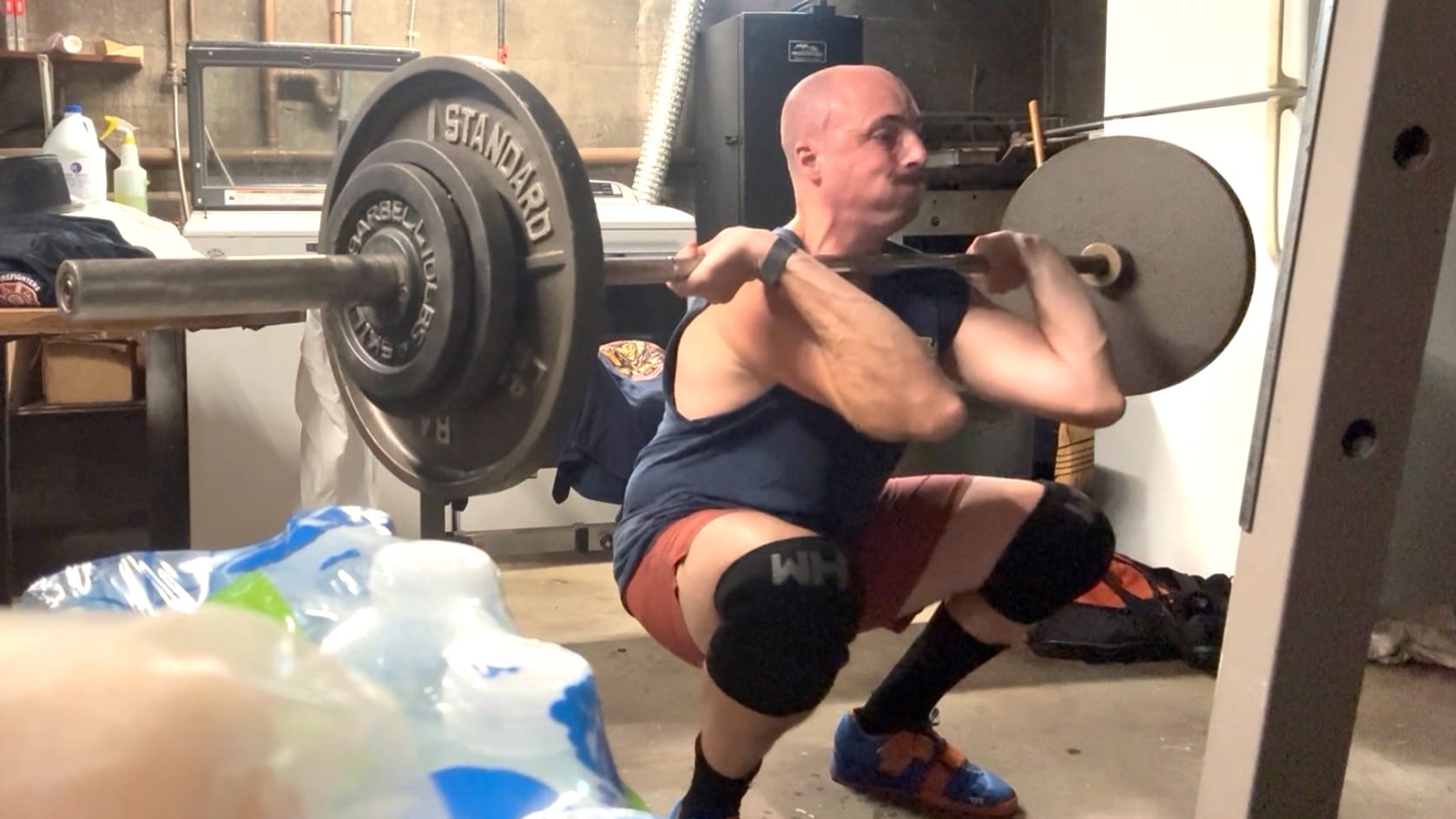
Despite the physical demands of the job, firefighter fitness is too often sidelined by culture, call volume, and complacency
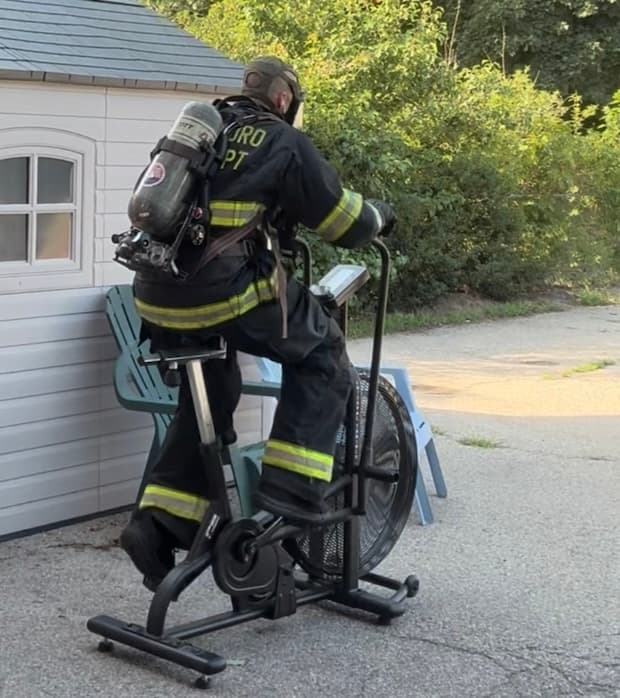
Ask anyone outside the fire service what a firefighter looks like, and they’ll likely picture an elite, highly conditioned tactical athlete. They see the grueling physical demands of the job: forcing doors, throwing 24-foot extension ladders, stretching charged hose lines, and dragging victims out of toxic environments while wearing 50 pounds of turnout gear and breathing through an SCBA.
The reality inside the firehouse, however, presents a troubling paradox. Despite the undeniable physical extremes of the job, structured physical fitness regularly takes a backseat.
According to long-term data from the National Fire Protection Association (NFPA), sudden cardiac events remain a leading cause of on-duty firefighter fatalities, frequently accounting for roughly 40% to 50% of annual deaths. For a profession that relies entirely on the human body as its primary tool, how did physical conditioning become an afterthought?
The Cultural Impediments
The fire service is steeped in tradition, which is its greatest strength — and occasionally its greatest flaw. For decades, “firefighter fitness” was largely an unwritten rule: you just needed to be strong enough to do the work.
When a recruit graduates from a highly structured, physically punishing fire academy, they enter the unstructured reality of shift work. In many departments, if a veteran firefighter decides to spend their downtime on a recliner rather than a treadmill, the culture protects that choice.
Initiating a workout routine can sometimes draw dynamic peer pressure or lighthearted teasing, like being labeled a “workout warrior” or bombarded with statements like, “What if there’s a fire? You're going to have nothing left to work.” When laziness or complacency is masked as seasoned experience, fitness quickly erodes.
The Operational Reality: Call Volume and Sleep Deprivation
It’s possible to mandate a workout program from an administrative office, but implementing it on a 24-hour shift is another story. Over the past two decades, emergency medical services (EMS) calls have skyrocketed. Firefighters are no longer just fighting fires; they’re operating as mobile emergency rooms.
In a busy company, the day is fragmented by continuous, unpredictable runs. A crew might start a workout, only to be toned out three separate times before they can finish a single set.
Furthermore, chronic sleep deprivation ruins physical recovery. A firefighter who has been up all night running medical calls or working a commercial fire faces a dangerous physiological landscape. Forcing a high-intensity workout on zero sleep, fueled only by caffeine, increases cortisol, spikes blood pressure, and significantly elevates the risk of an acute cardiac event or a severe soft-tissue injury.
The Lack of Standardized Mandates
The legal and administrative structure of the fire service creates a massive loophole for physical accountability. While the NFPA provides consensus standards rather than federal laws, those standards often establish the accepted benchmark for safe fire service operations. In 2025, NFPA 1583 (Standard on Health-Related Fitness Programs for Fire Department Members) was consolidated into the new NFPA 1580: Standard on Emergency Responder Occupational Health and Wellness, creating a single comprehensive standard addressing firefighter medical evaluations, behavioral health, physical fitness, and wellness.
Although NFPA standards aren’t laws by themselves, they frequently carry significant legal weight. Courts, attorneys, insurance companies, and expert witnesses routinely use NFPA standards to establish the expected standard of care. When a firefighter is injured or killed and a department has ignored relevant NFPA guidance without justification, that non-compliance may be used as evidence that the department failed to meet its duty to provide a reasonably safe workplace.
• The Hiring Mirage: Most departments require prospective firefighters to pass a rigorous physical agility test, such as the CPAT, as part of the hiring process.
• The Career Plateau: Once the academy and probation are complete, many departments no longer require periodic physical performance assessments or structured fitness participation.
If physical readiness is recognized as an essential component of firefighter safety, then maintaining it should not be viewed as optional — it should be treated with the same seriousness as SCBA inspections, apparatus maintenance, and annual skills competency.
The Paradigm: Firefighters as Tactical Athletes
To bridge this gap, progressive departments are reframing how they view their personnel. Firefighters are not industrial laborers; they’re tactical athletes.
A professional football player doesn’t wait until game day to see if they’re in shape. Similarly, a firefighter can’t afford to use a working structure fire as their first high-intensity workout of the month; it starts well before the call comes in.
Implementing Functional, High-Yield Training
When time is short and call volumes are high, firefighters don’t need bodybuilding splits. They need high-yield, functional workouts that replicate the movement patterns of the fireground: pushing, pulling, carrying, and hinging.
To make fitness sustainable in a modern department, the approach must change:
• Dedicated Protected Time: Leadership should protect designated time during the shift solely for physical wellness, minimizing non-emergency interruptions.
• Peer Fitness Trainers (PFTs): Utilizing certified personnel within the department to design scalable workouts ensures that a 22-year-old rookie and a 50-year-old captain can train safely side-by-side. Not everyone is at the same fitness level, so if you don’t modify to a member’s fitness level, injuries can occur. You can lose the buy-in from members who can halt any forward momentum that’s made.
• Focus on Mobility and Cardiac Health: Training must shift away from maximum heavy lifts and focus on aerobic capacity, Zone 2 cardio, and functional mobility to protect the heart and joints from the extreme spikes of the fire alarm. Some fire departments bring in yoga instructors to provide preventative mobility training for their members. When the call comes in, you don’t have time to stop and stretch before getting on the rig. It starts with something as simple as 10 minutes of stretching a day.
The Bottom Line
Putting fitness on the back burner is a gamble when the stakes are life and death. When a firefighter loses their physical capability, they aren’t just risking their own health; they’re risking the lives of their crew members and the citizens who called 911.
Overcoming the culture of complacency requires a top-down administrative commitment and a bottom-up cultural shift. Physical readiness must be viewed exactly like checking the apparatus, inspecting an SCBA, or maintaining the hydraulic rescue tools. It’s a critical piece of life safety equipment.
Departments that invest in structured fitness programs aren’t simply promoting wellness; they’re reducing injury risk, improving operational performance, and aligning themselves with nationally recognized standards of care. As NFPA 1580 makes clear, firefighter wellness is no longer a collection of separate recommendations but part of a comprehensive occupational health strategy. If we expect firefighters to perform like tactical athletes on the fireground, we must prepare — and hold ourselves accountable — like tactical athletes every day.
Main photo by Steve Baer | FireDog Photos