Firefighting is one of the few occupations that relies on self-contained breathing apparatus to conduct operations. Having the ability to conserve and manage air consumption is a highly advantageous skill to develop.
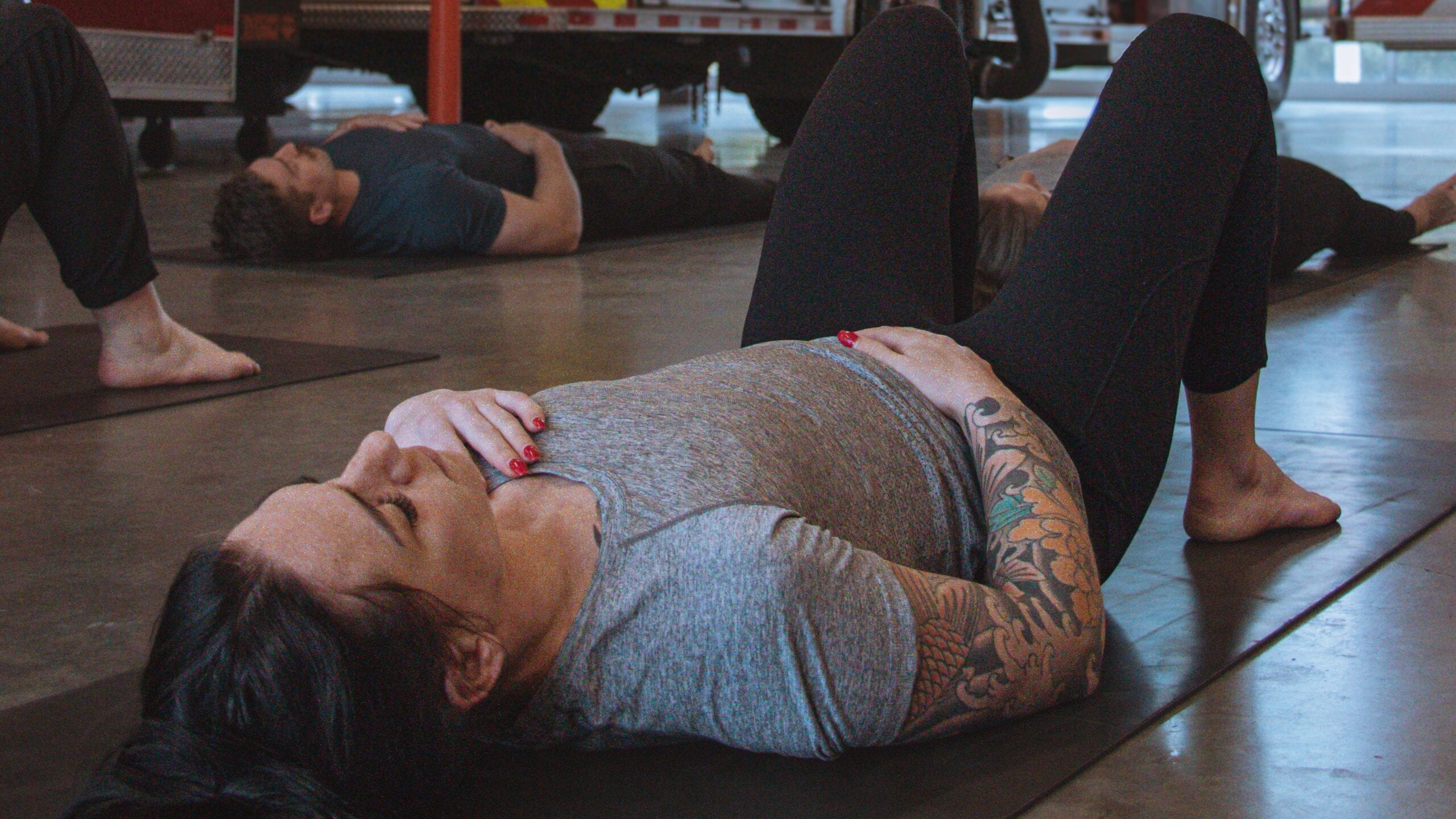
Three-part-breath (TPB) is an effective technique that expands and improves lung capacity. It involves the manipulation of breath across three chambers of the torso: abdomen, ribs and chest. The technique requires deep and rhythmic control of the breath, which strengthens supporting musculature and enhances focus.
When practiced deliberately, TPB has many physiological and psychological benefits. In addition to being able to intake and distribute more oxygen to working tissues, TPB activates critical nerves that are responsible for down regulation. This nerve activation lowers heart rate, blood pressure and the production of stress hormones, leading to a more parasympathetic state.
Like any skill, developing your ability to maximize breathing efficacy takes practice. Consider adding a few rounds of three-part breath into your daily routine.
Hannah Flahr is a yoga teacher and clinical exercise physiologist with a master’s degree in Workplace Health Promotion. She is also the founder ofRegulate the Responder, which normalizes preventative health initiatives in the fire service.