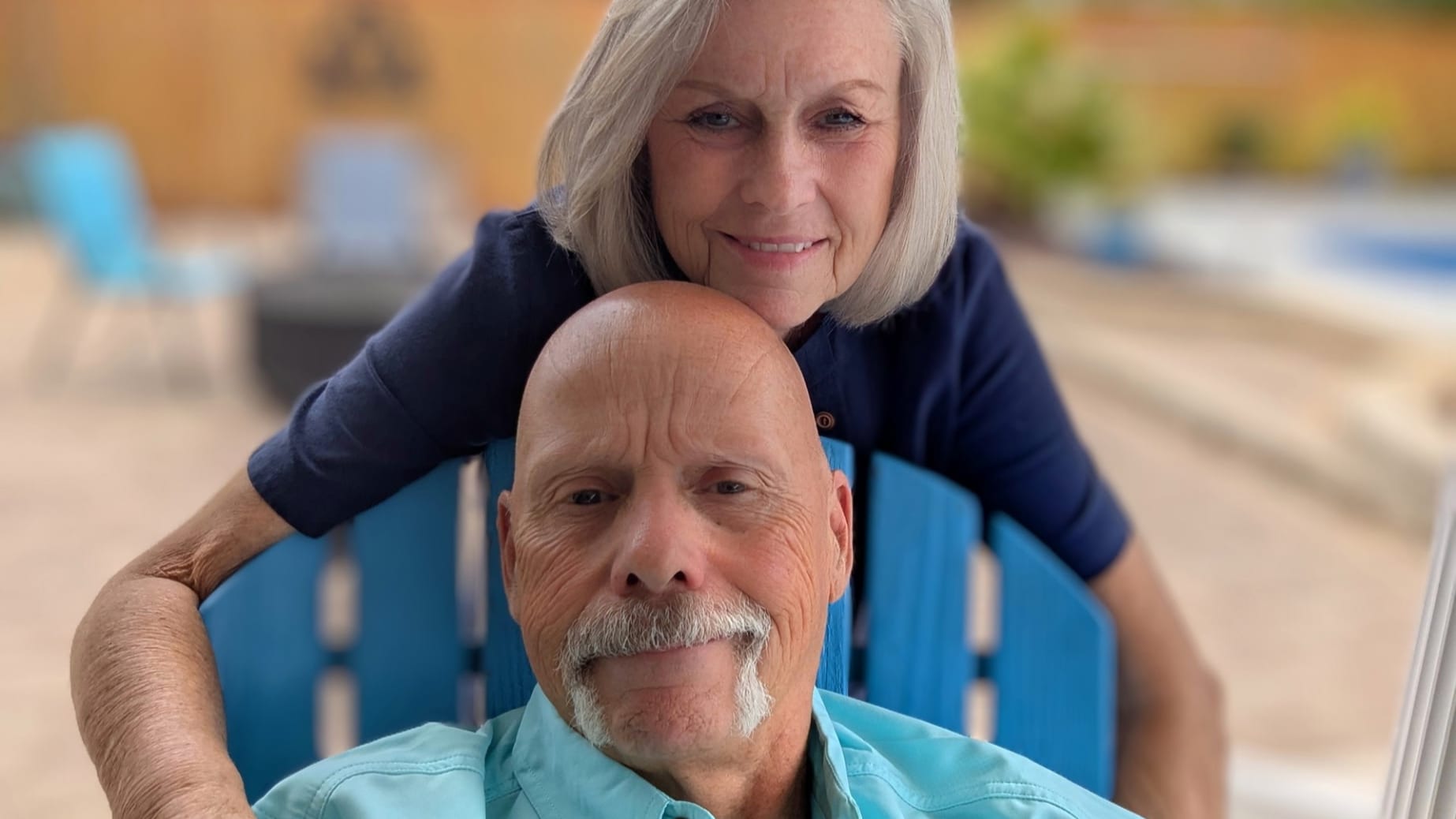
Ann Reilly and Chief Dennis Reilly
We all know a cancer diagnosis is devastating. My husband’s was no different. On Aug. 12, 2025, Dennis received the diagnosis of prostate cancer, but even that wasn’t how you would picture it in your mind. There was no solemn, sympathetic doctor sitting behind a big desk in an office. I would like to tell you our story and give some insight to the range of emotions we were feeling at the time. This is the perspective of a spouse of a firefighter and our experiences. So I will start at the beginning.
In March, Dennis went for a routine annual physical. Being a man in his 60s, a PSA (prostate specific antigen) was ordered, along with his other labs. The results came back slightly elevated, but not drastically so. I am a retired RN, so I tend to not ignore things like this. Being a patient advocate, I encouraged him to ask for a referral to a urologist. Thankfully, his physician was cooperative. We knew being in the fire service for almost 50 years put him in a higher risk category and we were not willing to get a repeat PSA to “make sure it was a valid result.”
My feelings at this point were slight uncertainty, maybe a little trepidation. Also, I knew it was time to do some research.
Early Warning Signs and Anxiety
The appointment with the urologist in April went well. She was well-informed, empathetic, and most importantly, didn’t downplay our concerns. She gave us two options from which to choose. Option 1 was to just repeat the PSA. (We already knew this was not our choice.) Option 2 was to repeat the PSA and schedule an MRI. (This was the option we chose.)
A few weeks later, we showed up for the MRI, and it did not go well. During his career, Dennis had been involved in a building collapse and as a recalled Army Reservist served in the Persian Gulf War. The enclosed atmosphere and loud banging sounds of the MRI were just more than he could tolerate. To be honest, this embarrassed him and at this point he was ready to just do serial PSA draws and hope the levels didn’t rise. We discussed this in depth, and I was able to convince him to contact the doctor and ask for something to help him tolerate a repeat MRI. Valium was ordered, and two weeks later he was able to complete the MRI. The scan showed a “lesion” on the right side of his prostate.
My anxiety level at this point was greater than before, but the urologist assured us there are things other than cancer that could cause this. However, a biopsy was definitely called for and ordered.
Waiting, Worrying, and the Weight of Possibility
On Aug. 8, 2025, Dennis went in for his biopsy, which is done in the OR but as an outpatient procedure. When it was over, we were told he should follow up with the urologist in two weeks, at which time we would get the biopsy results.
Prior to any of this, I had obligated myself to fly to California and help our daughter and son-in-law with childcare for 10 days. I thought to myself, “Perfect, I will be back in time for the follow-up appointment.” I flew out on Aug. 11, 2025.
The morning of Aug. 12, 2025, Dennis called me to say he got a notice on his Follow My Health app that he had lab results. Of course he opened the app and while BY HIMSELF and got the news that his biopsy results were positive for “adenocarcinoma” throughout his prostate! We were expecting to get the results in two weeks from the doctor, not on an online health app.
The emotions now are all over the place, starting with PROFOUND GUILT that I wasn’t with him, and he was totally alone. I also felt fear, anxiety, sadness, and even anger. No one should be alone when they are informed they have cancer! I will add that the urologist was also upset that it happened this way. In her words, “I’m sorry you had to tell yourself that you have cancer. It shouldn’t happen that way,”
Receiving the News Alone — and the Aftermath
Once again, we were given options on the courses of treatment available. She presented us with the options and after lots of research on all of them, we chose surgery. This was a personal choice, and I am not saying is right choice for everyone. It was our best option for his situation and lifestyle. Dennis spoke to five or six other firefighters who had had various treatments, from radiation to hormonal therapy, to radical prostatectomy. This was probably the most helpful thing that helped him make his treatment choice. Also, he has formed a close, permanent, and lifelong bond with these men who have experienced the same diagnosis.
From here, it was scheduling a PET scan, appointments with surgeons (we spoke with two), and making the decision that he was going to have the surgery. So many decisions to make! On Oct. 30, 2025, he had nerve sparing robot assisted radical prostatectomy (NS-RARP) and after 3 ½ hours of surgery and an overnight stay, came home, where he recovered like a champ.
It has been a roller-coaster journey, sometimes at breakneck speed and sometimes as slow as molasses in January. We have cried together, laughed together, and held on to the vow of “in sickness and in health.”
Treatment, Recovery, and Holding Each Other Up
We have learned several things while going through this that we will take with us through life:
- Reach out to others who have navigated a similar journey. They can be a wealth of knowledge and comfort.
- Close friends and family often don’t know how to help. Many folks have said, “If you need anything, don’t hesitate to call.” I, myself, have said this to others. It is my experience that it’s not human nature to ask for help. I have made a vow from now to be specific and tell others going through a tough time that I am bringing a meal over on a certain date and give them a choice of what they want, or we will be over to cut the grass on Saturday, or I’m going to bring by some groceries over, what do you need?
- As a caregiver, give yourself grace. You will feel exhausted, indecisive, forgetful, and a whole range of emotions. That is OK and very normal.
We know this journey isn’t over. The recurrance of prostate cancer, even after prostatectomy, is as high as 40%. This requires blood draws for PSA every 90 days for many years to come. Cancer will always be a part of our lives, but we will not let it limit us or define us.
Ann Reilly is a retired registered nurse who spent 32 years working in emergency medicine. She has been married to Dennis for 40 years. They have two adult children, Patrick and Kelley, and three grandchildren. The Reillys live in Navarre, Fla., where they enjoy retired life at the beach.