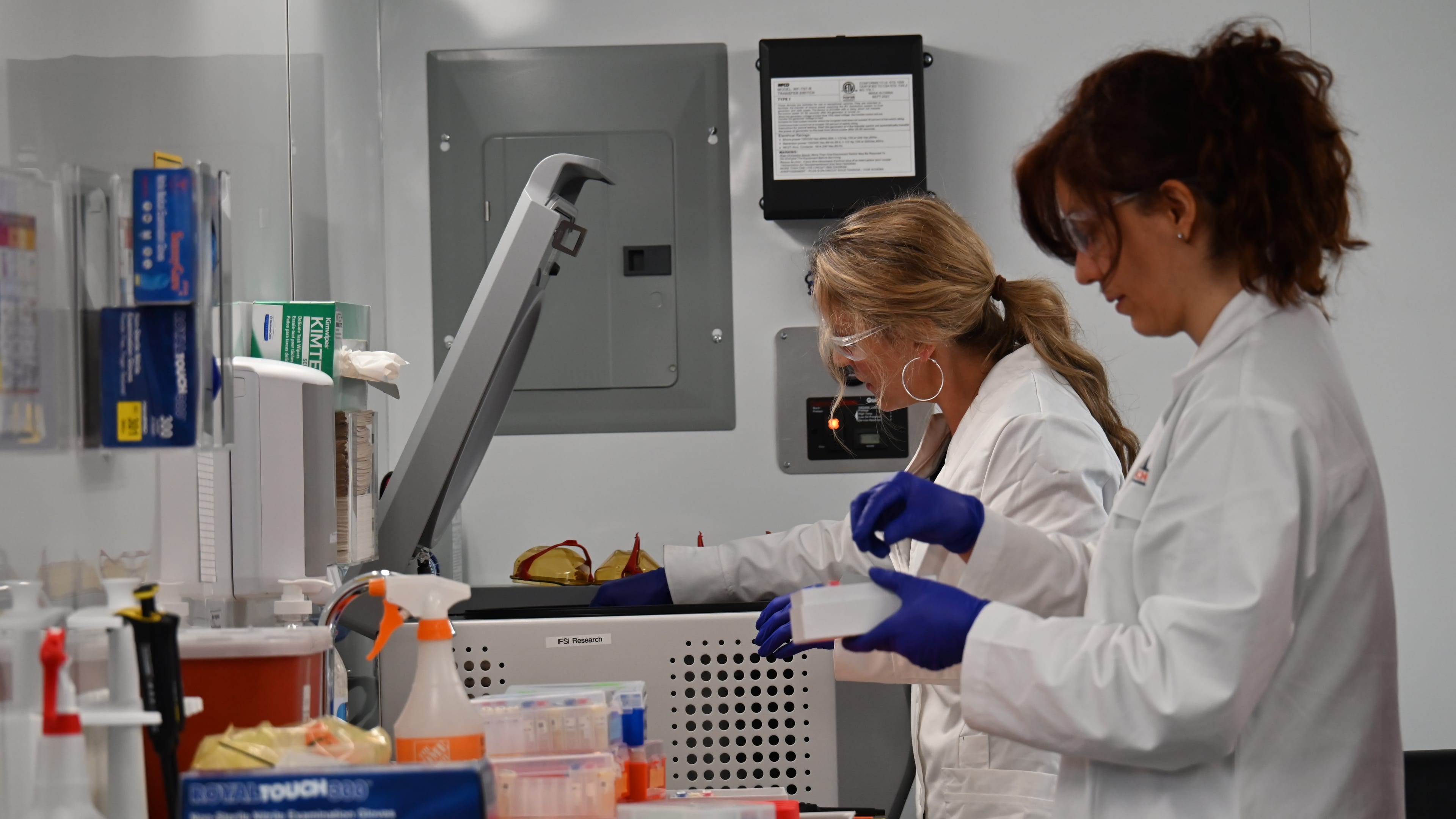



A few weeks ago, I walked out of SDFD Health & Safety Wellness with both shoulders feeling better than they had in months. Nothing was filed. No claim number, no adjuster, no appointment three weeks out. An athletic trainer looked at them, told me what was wrong, and started working.
The best claim outcome is the claim that never had to open.
This column has walked the problem backwards on purpose, from the claim, to the report, to the injury nobody reported at all. Week 1 is the only one of those that opens before there is a claim to argue about.
Direct access means what it sounds like. You can be seen without opening a claim first. No referral, no supervisor conversation, no waiting for authorization. The person treating you is already in the building and already knows the job.
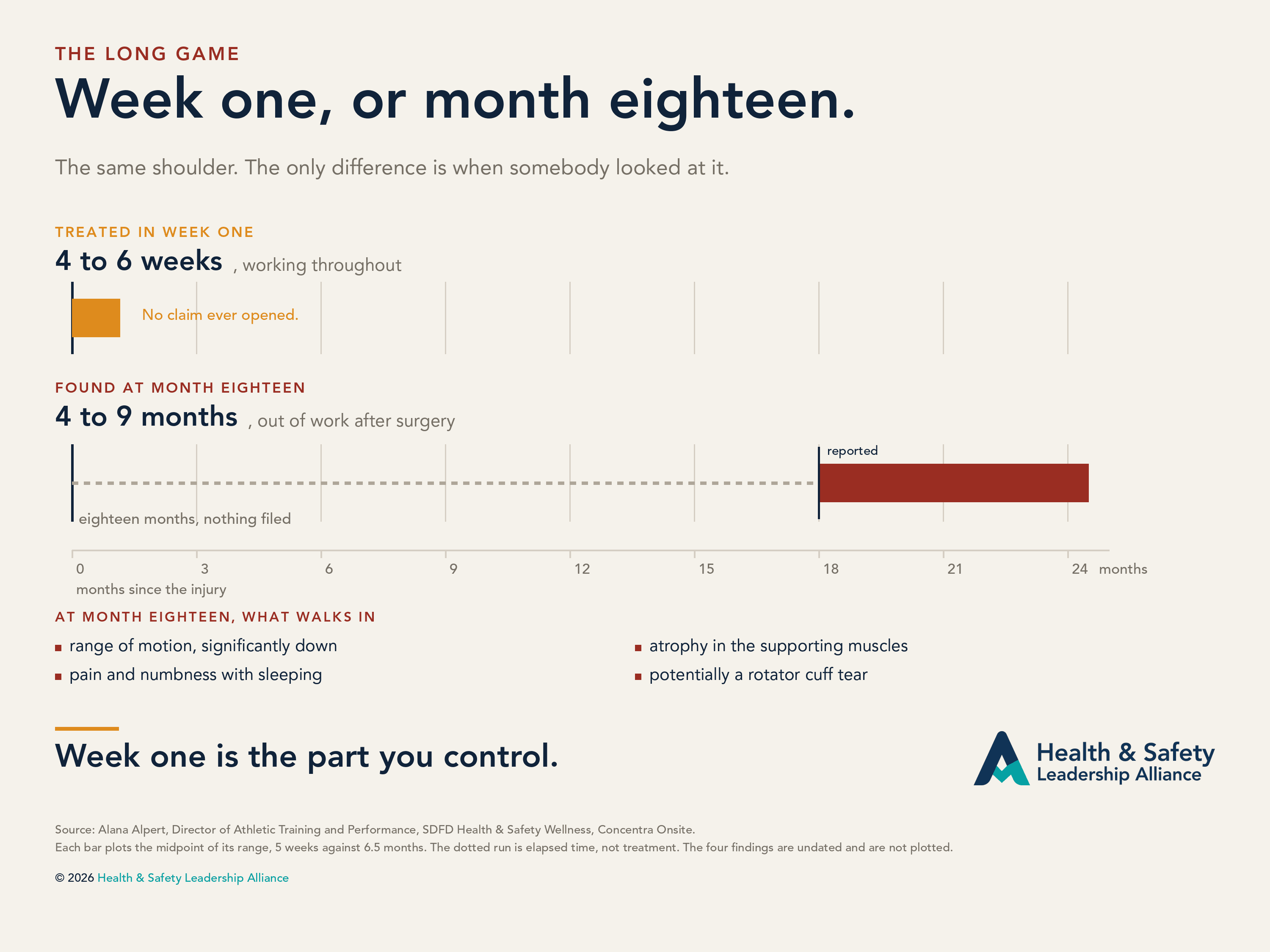
Week 1 and month 18 are not the same injury, even when they are the same injury. At week 1 it is a tweak, and the fix is often a few sessions and a change in how you move. At month 18 it is a compensating gait, a second thing that broke because of the first, and a record that starts the day it finally got bad enough to report.
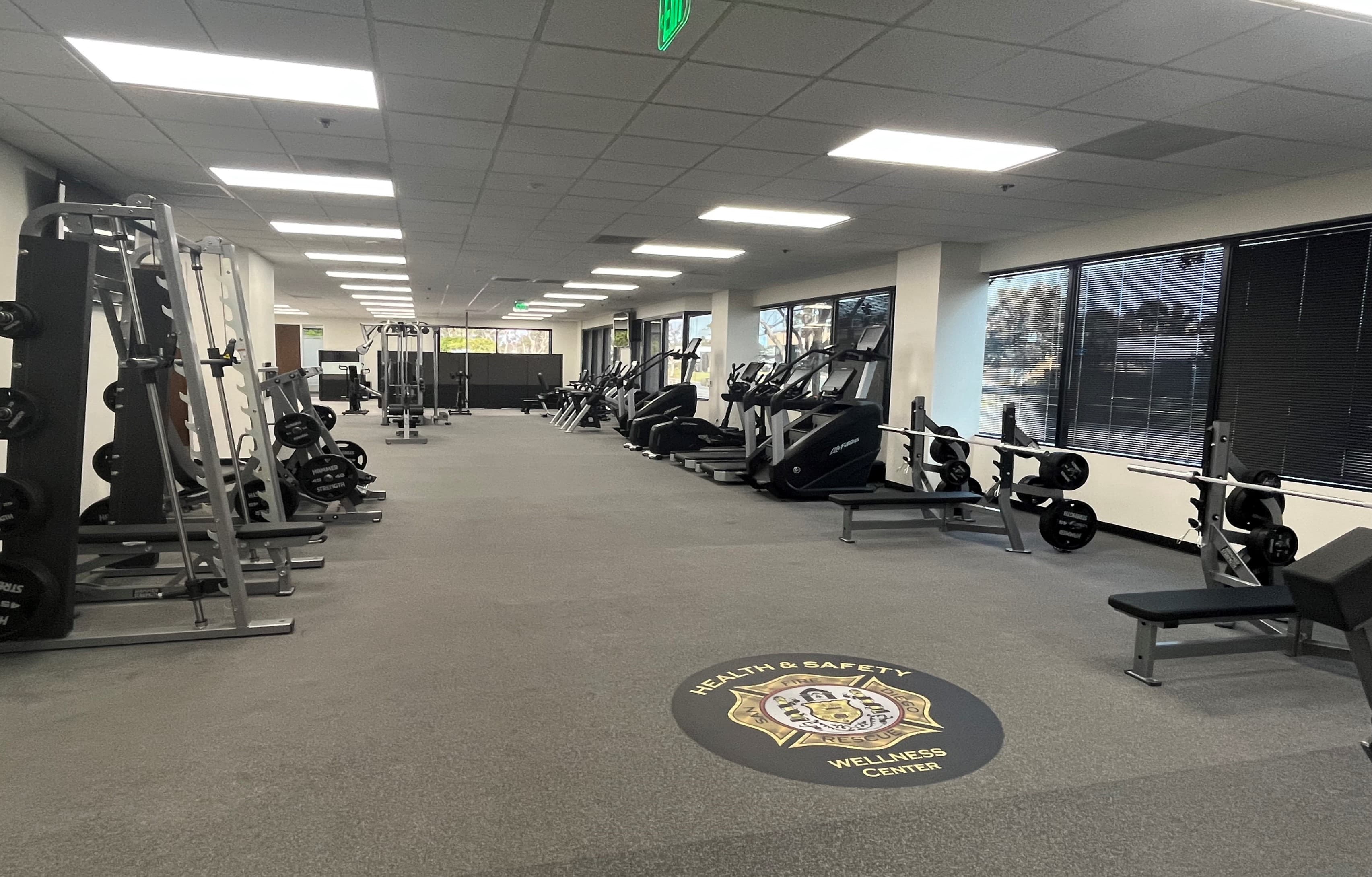
Alana Alpert is director of Athletic Training and Performance at SDFD Health & Safety Wellness, Concentra Onsite, and she was the first athletic trainer hired when the program was built. It serves the firefighters and the lifeguards of San Diego Fire-Rescue. She came out of college athletics, which is the point, because this workforce is tactical athletes doing punishing physical work with no off season. I asked her what walks in that nobody would have filed a report on. She named several things. We followed the shoulder.
“If we treat it today when it’s an annoyance and not a full-blown injury, it heals while they continue to work.”
“Typically within 4-6 weeks the pain subsides, their movement returns and they are pain free. Eighteen months later, if they didn't treat the injury, they have now come in with a significant decrease in ROM (range of motion) because they have been favoring the shoulder, atrophy in the supporting muscles, pain and numbness with sleeping, and potentially a tear in one or more of the rotator cuff muscles causing a dysfunction in the shoulder. This requires surgery that has them out of work for four to nine months depending on the severity of the injury,” Alpert says.
The change was not that people came in earlier. It was that they came in at all, at the first sign of discomfort, early enough for her to catch a mobility or strength deficit before it became an injury.
Since tracking restarted in August 2025, SDFD Health & Safety Wellness has recorded 371 visits across firefighters and lifeguards, 270 of them work-related. Of those, 115, roughly 43%, closed without the member ever opening a claim. That is one year on the current tracking system rather than the program’s whole history.
The longer view points the same way. From FY2014 to FY2023 San Diego Fire-Rescue’s injury rate per full time employee, across all ranks, fell from 32% to 24%, while the department added 184 positions and doubled its call volume. Claims held at an average of 345 a year across that decade. Those are San Diego Risk Management’s workers’ compensation figures with COVID claims excluded. The work got harder and the numbers got better.
Forty-three percent of work-related visits closing without a claim is not a wellness number. It is a budget number, and budget is the language spoken in the rooms where this gets decided.
I asked her the question this column always ends on. What could a firefighter or a lifeguard start tomorrow to keep them out of her treatment room in 10 years? Her answer was not the one I expected. Mobility and functional movement, not stretching. Static stretching is not enough, and the body has to be worked as a whole rather than in parts.
What to do Now
- Find out whether your agency has anyone you can see without opening a claim. Most people do not know. It is one phone call and you should make it before you need to.
- Report the small one anyway. The tweak with no incident number is the one that ends a career, and reporting it costs you nothing.
- Go early and go twice. The first visit tells them what hurts. The second tells them whether it is getting better. The second is the visit everybody skips.
- Work on moving well rather than stretching, and work the chain rather than the sore part. Hips first, because hips that move through a full range let the low back work properly, which lets the thoracic spine move, which is what gives the shoulder its range. Ten minutes is a real program.
- If your agency has nothing, find out what a direct access model costs before you ask anyone to approve one. A number is an easier conversation than an idea.
None of that waits on a budget cycle or a policy revision. Week 1 is the part you control.
Contact HSLA at info@hslalliance.org for how agencies are building this.