
In the civilian world, being a consumer is simple. You find something that might help you – an air purifier, a sleep aid, a better pair of boots – you buy it. No drama, no second thoughts. But in the fire service, the moment you bring something new into the mix that’s meant to improve your health or recovery, there’s tension. You feel it before you even hit “buy.” Maybe it’s the sideways looks when you carry that product into the station. Maybe it’s the voice in your head saying, “What are they going to say?”
But the real issue isn’t what others think. Most of the time, we kill the idea in our own heads before anyone else gets a chance to judge it.
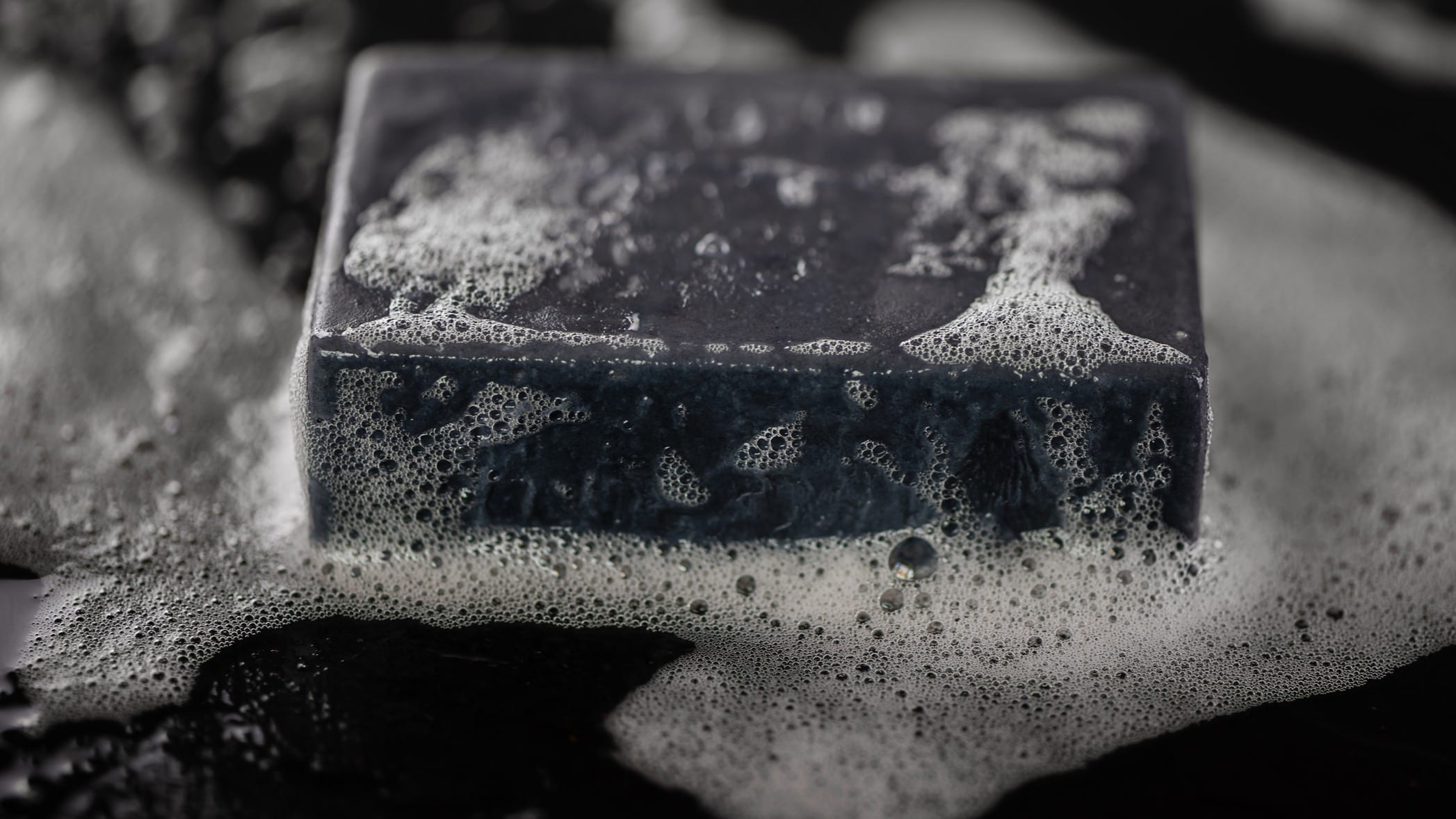
You see a product, such as charcoal soap, a new decon spray, or a wearable alert system, and your first thought is, “I know what that is.” You’ve already put it in a box: gimmick, trend, fluff, not for me. And just like that, you move on. You’ve trained yourself to be skeptical first, curious never. That mindset – the one that automatically dismisses anything that doesn’t scream “tactical” – is what I call being a guarded consumer. It’s not about being smart. It’s about being stuck. Somewhere along the way, we convinced ourselves that if it didn’t come straight out of a fireground ops manual, it couldn’t possibly be worth our time.
That kind of thinking is costing us.
A lot of the tools we scoff at now weren’t created in some marketing department. They were built in the bay, by firefighters who were tired of watching the job break people down. That charcoal soap? It’s not a trend – it’s designed to pull carcinogens from your skin. That wearable alerting system? It notifies your crew without the heart-jolt of loud PA announcements. That non-porous radio strap? You can actually disinfect it – no grime, no residue, no cross-contamination between your gear and your skin.
These aren’t gimmicks. They’re tools. Just like your helmet. Just like your SCBA.
Yeah, we’ve been burned before. We’ve seen the overpromises, the overpriced junk, the snake oil wrapped in slick packaging. But swinging too far in the other direction, where every new idea is met with automatic dismissal, that’s just as dangerous. That’s how we miss the gear that could actually keep us safer, help us recover faster, and let us do this job without falling apart.
No one’s saying you have to believe the hype. Just stop assuming it’s all hype. Ask better questions. Where did this come from? Who built it? What problem is it actually trying to solve? Because odds are, if it started in a firehouse like yours – by someone who’s lived the same grind – you might want to give it a second look.
We don’t need more noise. We need more honesty. Less ego. More curiosity. And the guts to admit that sometimes the thing that saves us isn’t more fire, it’s a better way to come home after it.