
In a world engineered for ease, we must deliberately reclaim discomfort, effort, and nature to have the grit and capacity our profession demands
We live in a culture of ease. DoorDash delivers dinner without us moving more than a thumb. Cars warm themselves. We complain when Wi-Fi takes three seconds to load. Comfort has become our default setting – and comfort is slowly killing our capacity. Especially in the fire service.
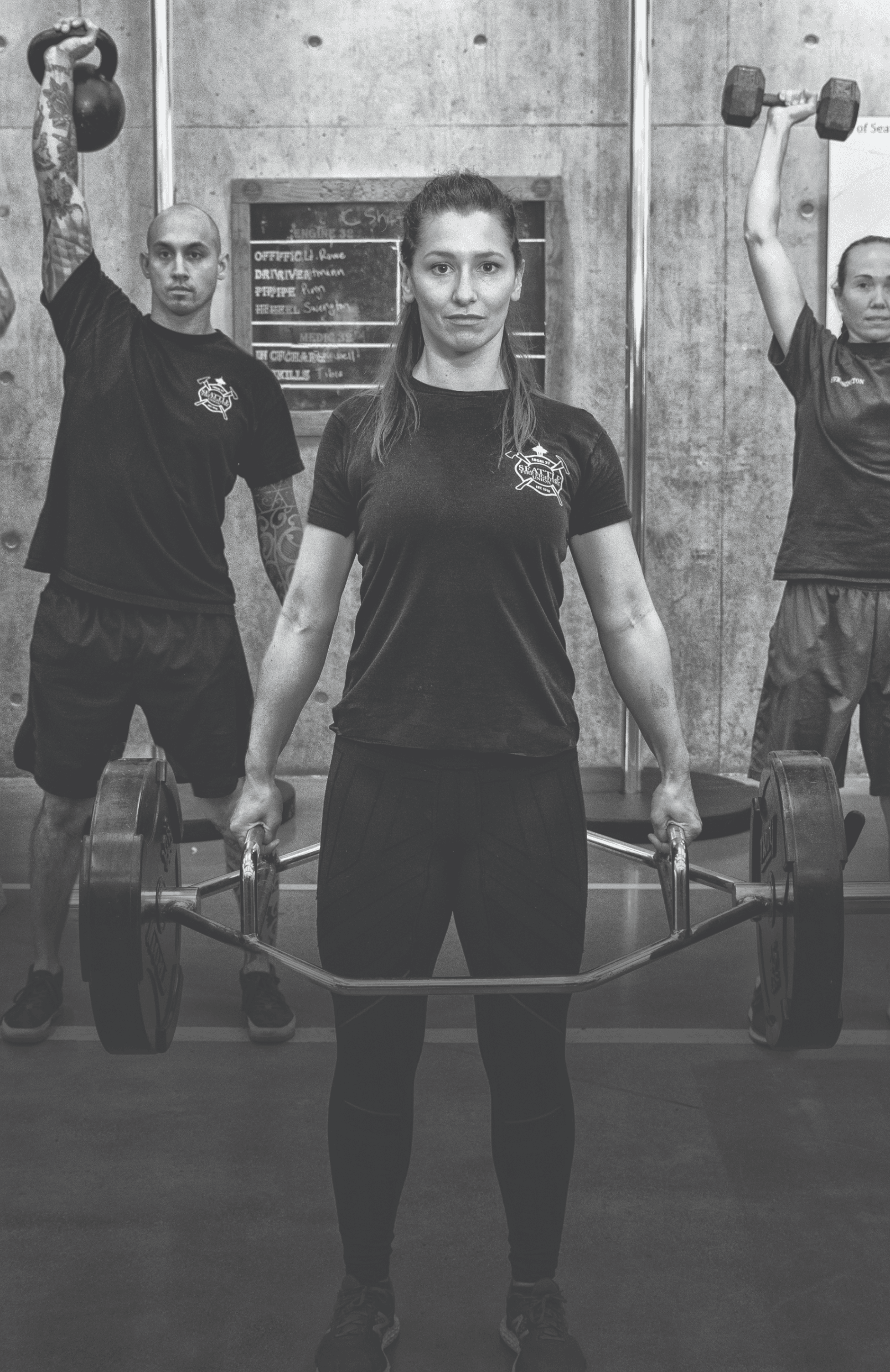
Our profession was built on grit: dragging hose through smoke, hauling ladders in the rain, sweating through turnout gear at 3 a.m., and then doing it again the next shift. But when we step out of the station and into everyday life, we often live like everyone else – insulated from struggle, convenience at every turn. We’ve started to forget who we are. We’re not designed for ease, we’re designed to adapt.
Our ancestors didn’t have treadmills or energy drinks. They had necessity. They walked miles to hunt, carry, build, harvest, climb, and run. They were intimately connected to their natural environment – terrain, weather, danger, and uncertainty. Their fitness was earned through daily effort, not through scheduled exercise.
Today, most of our discomfort is optional.
As firefighters, we see firsthand what chronic comfort does: diabetes, heart disease, joint degeneration, and the most deadly: cardiac events. Not because people are weak, but because the environment we live in asks nothing of us.
We’re biologically wired for challenge, yet we spend our lives avoiding it. The solution isn’t more motivation, it’s reconnecting with discomfort, effort, and nature, because it’s native to who we are, not because it’s trendy.
When I train firefighters, I don’t chase complexity, I chase capacity.
• Lift heavy things
• Carry awkward loads
• Move your body across uneven terrain
• Sprint occasionally
• Breathe hard
• Touch cold water
• Feel the sun, wind, and ground
You don’t need the newest program or gadget. You need a hill, a sandbag, and a little intention.
We have enough screens. We need more dirt.
Nature doesn’t care about your ego. Out there, it doesn’t matter how expensive your shoes are or what your VO2 score says. The trail will humble you. The cold water will shock your system. The steep incline will test your lungs. The world outside the gym has a way of showing you you’re capable of more than your comfort allows.
When we train outside, when we deliberately choose the harder path, we strengthen more than muscle. We strengthen resilience, adaptability, and presence – the same qualities we rely on at 3 a.m. when turnout tones drop.
Your ancestors didn’t “work out.” They worked. They climbed, pulled, pushed, lifted, carried, and survived. We can take that mindset into our training:
• Instead of cable rows → drag a weighted sled or hose
• Instead of sitting on a machine → put 70 lbs on your back and climb stairs
• Instead of another bicep pump → throw weight on your shoulders and walk
Firefighting is not done in perfect posture with controlled breathing. It’s done under stress, heat, chaos, noise. Train like your life – and someone else’s – depends on it. Because it does.
Choose the hard thing on purpose:
Once a week, do something uncomfortable in nature. Hike. Trail run. Hill sprints. Train outside in bad weather.
Once a day, earn your comfort. Before you sit – move.
Once a month, push your threshold. A long ruck. A cold plunge. A brutal endurance session.
And when your mind says, “This is uncomfortable,” your response is: Good. That’s where growth happens. We don’t need to become someone new, but to return to who we already are.
Native.
Made for struggle.
Built for hard things.
Designed to move through the world and not watch it through a window.
Get uncomfortable.
Get outside.
Get back to your nature.