When firefighters gear up for duty, they know they’re walking into danger. Flames, smoke, collapsing structures – these are the risks they’ve trained for. But there’s another, invisible hazard woven into the very fabric of their gear and environment: PFAS, the so-called “forever chemicals.”
PFAS (per- and polyfluoroalkyl substances) are synthetic compounds used in everything from non-stick cookware to firefighting foam. Their resistance to heat, water, and oil makes them invaluable in protective gear – but the same durability also makes them persistent in the environment and the human body. Over time, PFAS accumulate and have been associated with reduced immune response, elevated cholesterol, thyroid dysfunction, and certain cancers.
For firefighters – who face disproportionately high exposure through gear, foam, and contaminated environments – the risks are especially concerning.
A New Line of Defense
That’s where Cambiotics, a biotech company based in Denmark, comes in. Founded in 2024 with support from the Bio Innovation Institute, Cambiotics is researching the world’s first probiotic approach aimed at supporting the body’s natural ability to reduce PFAS burden.
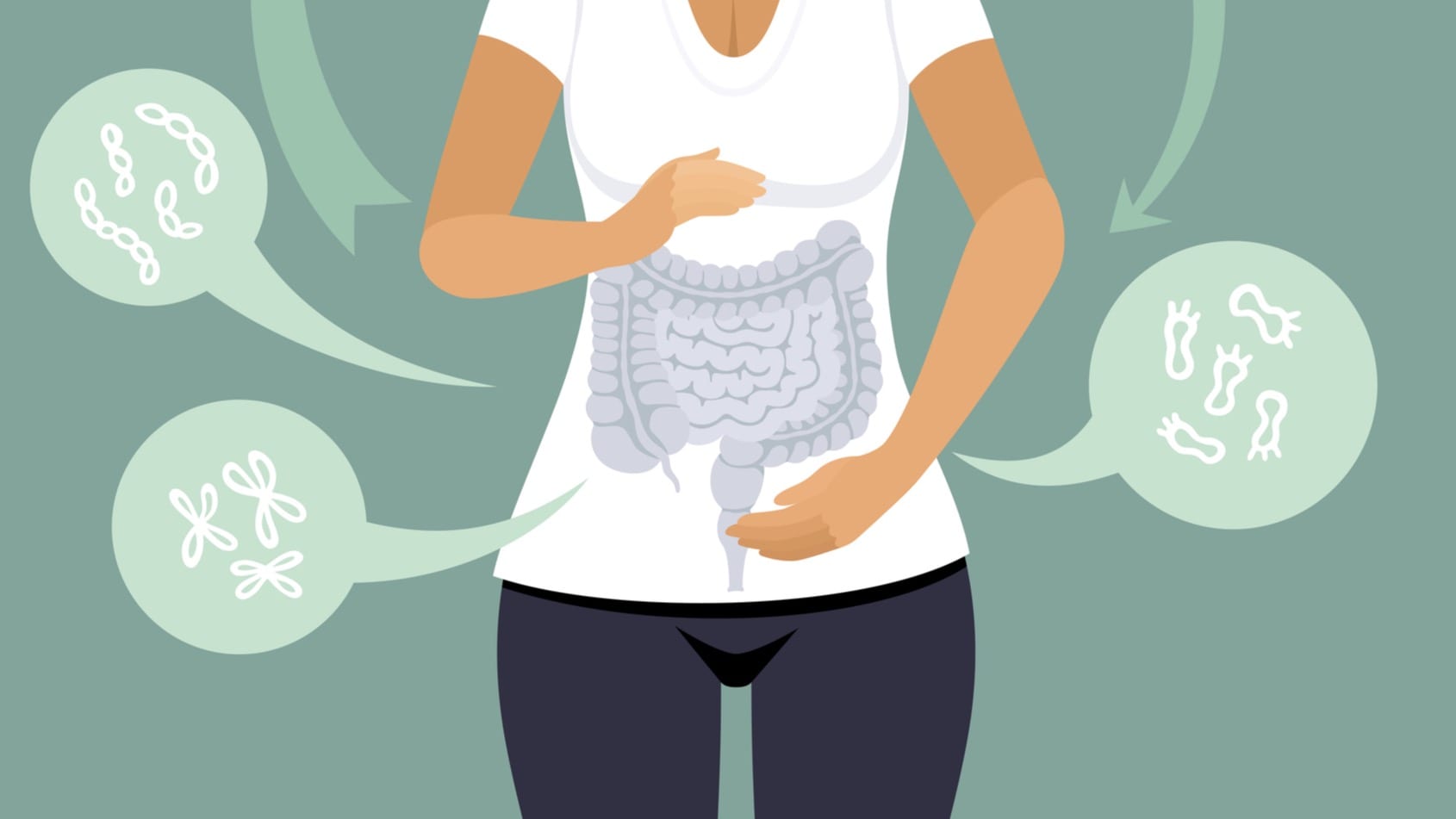
The concept is elegantly simple: harness naturally occurring gut bacteria that can bind PFAS during digestion, limiting reabsorption and aiding excretion. After five years of screening thousands of microbial strains, Cambiotics identified two promising candidates – 46-XY1 from the Bacteroides family and 46-SL1 from the Streptococcus genus – that demonstrated remarkable PFAS-binding potential in early research.
“It’s about giving the body a fighting chance,” says Dr. Anna Lindell, Cambiotics’ VP of Technology and co-founder. “We can’t undo every exposure, but we can support the body in protecting itself.”
From Cambridge to the Firehouse
The science isn’t speculative. In a study published in Nature Microbiology, Cambiotics’ co-founders, Dr. Lindell and Professor Kiran Patil of the University of Cambridge’s MRC Toxicology Unit, demonstrated that certain gut bacteria could bioaccumulate PFAS during gut transit. This discovery opened an entirely new frontier: tackling environmental toxins from within.
Cambiotics plans to begin human clinical trials in 2026, with the goal of launching its first product, 46&, later that year if results are successful.
Early Access for Those Who Need It Most
Firefighters, military personnel, and other high-exposure groups are at the center of Cambiotics’ early access plans.
“Firefighters are on the frontlines, not just of fire, but of chemical exposure,” explains Professor Patil. “Our mission is to make sure the people most at risk are also the first to have access to solutions.”
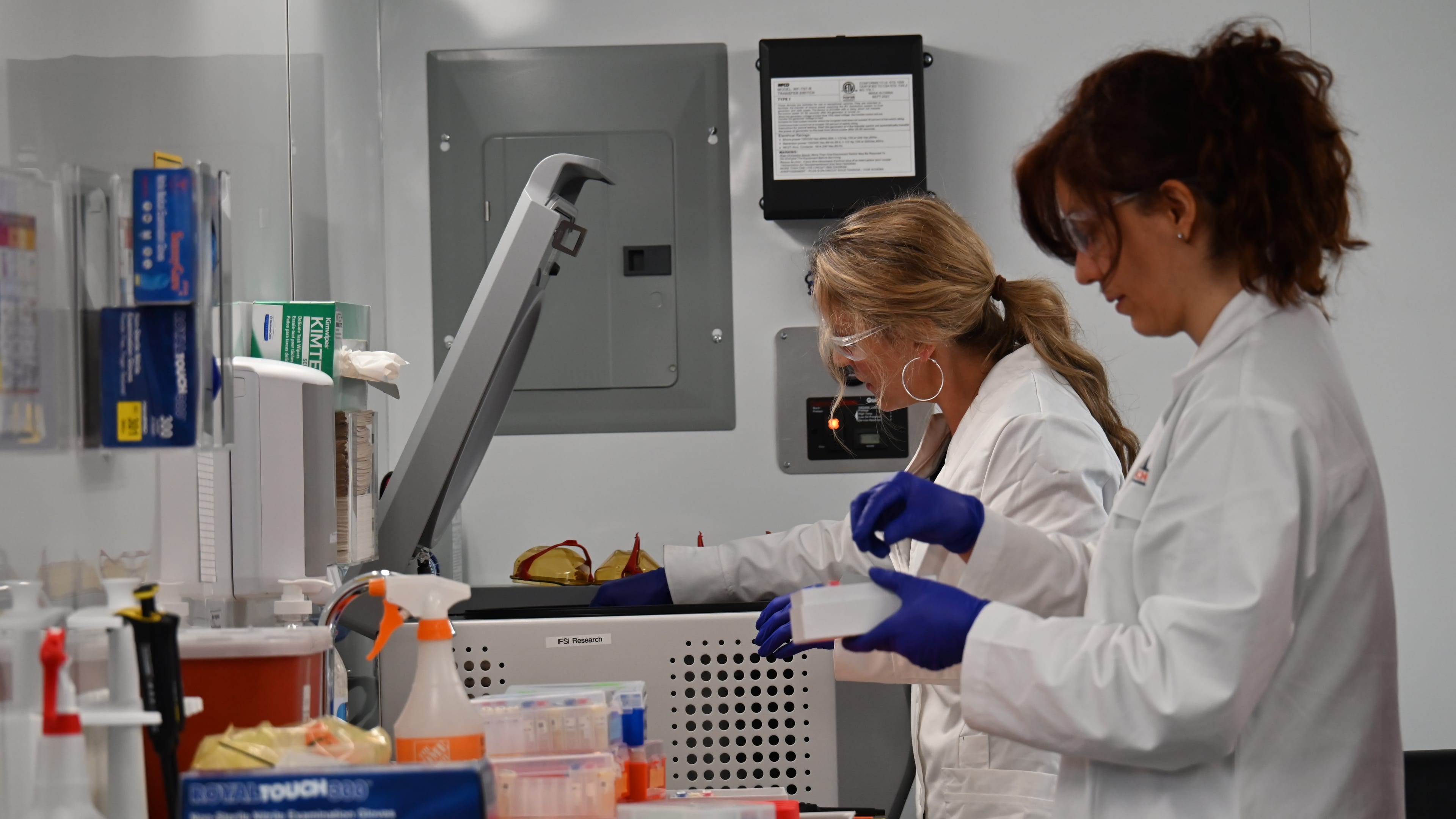
To support that mission, Cambiotics is exploring collaboration with Quest Diagnostics in the U.S. to integrate PFAS testing with future probiotic interventions, enabling individuals to measure their PFAS burden and take informed next steps.
A Firefighter’s Silent Battle
For many firefighters, the biggest challenge with PFAS is that you can’t see or feel them. Unlike smoke inhalation or burns, PFAS build up quietly over years. Their long-term effects – from immune suppression to hormone disruption – are part of the “silent injuries” of the profession.
Cambiotics offers a novel tool that could complement existing wellness practices like nutrition, fitness, and mental health support. Just as hydration or cardiovascular conditioning can extend a firefighter’s career, microbiome support may soon become another critical layer of defense.
Beyond PFAS: A Bigger Vision
While the initial focus is on forever chemicals, Cambiotics sees a broader horizon. The human microbiome is one of the most adaptable ecosystems on Earth, and its potential role in detoxification extends well beyond PFAS. By investing in microbiome science, Cambiotics is laying the groundwork for future innovations that could help the body manage a range of persistent pollutants.
But for now, PFAS remain the most urgent target. And firefighters, who rely on PFAS-treated gear to stay safe in the moment, also stand to benefit the most from new ways to clear those chemicals once the fire is out.
Looking Ahead
Cambiotics’ roadmap is ambitious. The company is also working closely with firefighter associations and occupational health organizations to design early access pathways for those most affected.
It’s a race against time and exposure. Each year, research confirms more about the risks of PFAS — and each year, firefighters continue to accumulate these chemicals in their bodies. Cambiotics is determined to shift that balance.
Defense From Within
Firefighters fight more than fires — they battle the unseen toll of toxic chemicals that linger long after the blaze is out. Cambiotics’ work is a reminder that solutions don’t always come from high-tech gear or new foam alternatives. Sometimes, the most powerful defense comes from within: the microscopic allies in our own gut.
For the men and women who run toward danger, that could mean a new path to long-term health — and a different kind of victory in the fight against forever chemicals.
These statements have not been evaluated by regulatory authorities. Any future products are not intended to diagnose, treat, cure, or prevent any disease and will depend on successful clinical evaluation and regulatory approval.