
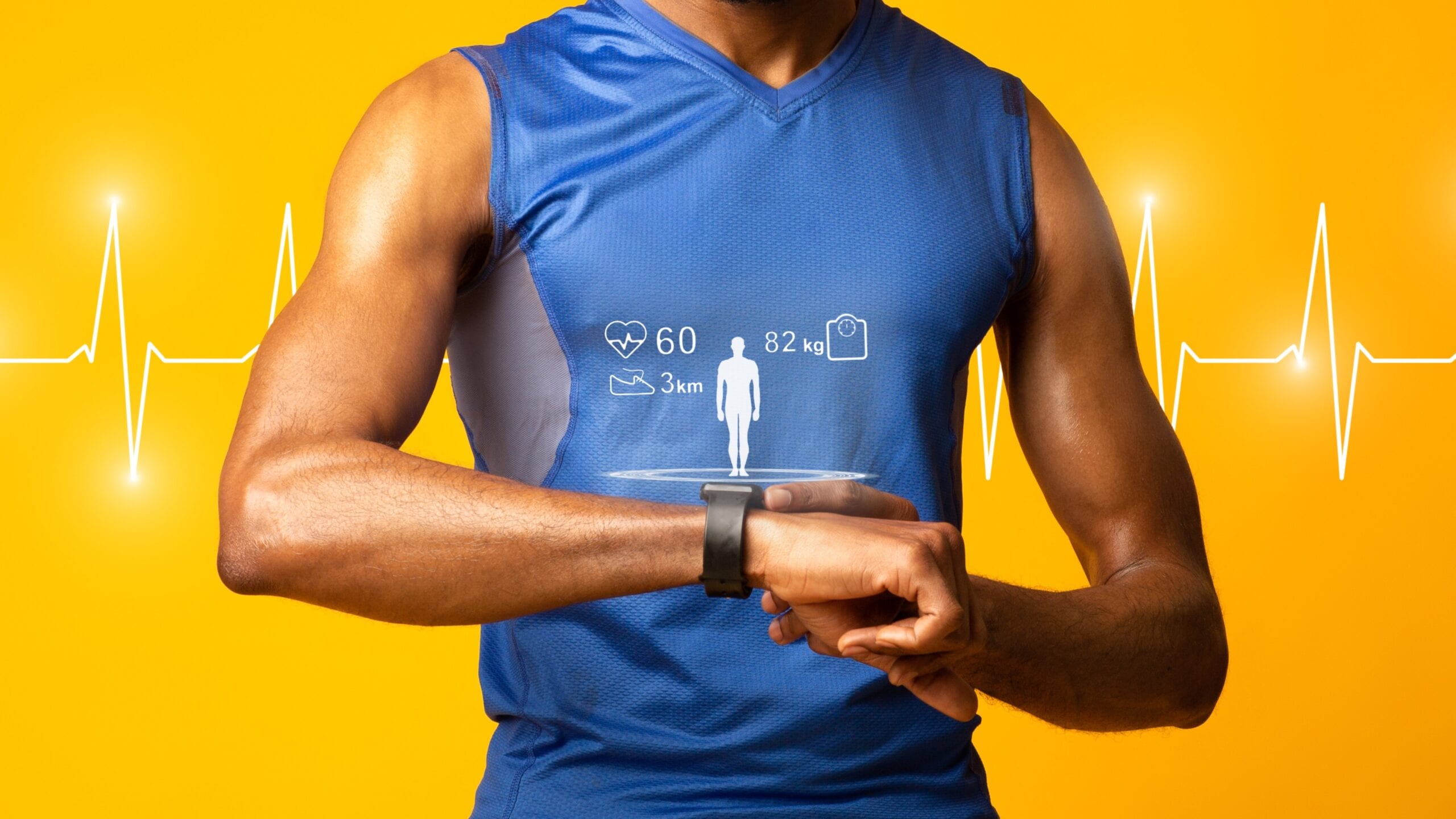
A couple of years ago, I decided to start tracking my sleep, recovery, and daily strain with a WHOOP device. I figured it would be a cool tool to fine-tune my performance, but it ended up being one of the most brutally honest mirrors I’ve ever held up to my life.
It showed me, without question, that I wasn’t sleeping enough. My strain was always moderate and fairly consistent, but my recovery was buried in the basement. Even on nights when I swore I’d slept well, the data told a different story. My REM and restorative sleep were too short, and my body simply wasn’t getting the time it needed to repair itself. I’ve never been one to nap — the idea of lying down during the day has always felt foreign — and I always assumed the sleep I was getting was “just my normal.” Turns out, my normal was about as optimal as eating salad on a doughnut.
The Harsh Reality of Self-Deception
At first, I hated that thing. I didn’t just roll my eyes at the numbers — I got frustrated with them. I started projecting that frustration onto the device itself, like it was the problem. WHOOP became “whoops” in the most literal sense. Whoops, you’re still not recovered. Whoops, you’re still under-rested. Whoops, you thought you were doing better than you are. I convinced myself the readings had to be off. Maybe the strap wasn’t tight enough. Maybe I was a “bad sleeper” and that was just the way I was wired. I was irritated that a piece of technology had the nerve to tell me I wasn’t as dialed-in as I believed.
Like a lot of firefighters, I believed I could outthink or outwork anything. So I tried to game the system. I changed my routines. I adjusted my workouts. I played with my schedule. None of it fooled the data. WHOOP didn’t care about my intentions or excuses — it just told the truth. There’s nothing quite like being called out by a wrist strap. For a long stretch, every morning felt like another “whoops” moment. Another low score. Another reminder I wasn’t recovering the way I thought I was. But I kept at it. I kept checking in, kept learning, and slowly started to understand what the numbers were really saying about how I was living, not just how I was sleeping.
Learning to Listen and Let Go
It’s taken me two full years to finally start trending in the right direction. What I’ve learned is that you can’t manipulate what’s real. The body doesn’t negotiate. Recovery doesn’t care how tough we think we are. Health doesn’t bend to intention — it responds to action. Most of us don’t truly care about wellness until we’re chasing it. Chasing it means showing up again and again, even when the feedback isn’t flattering. It means redefining what our real normal needs to be to sustain our days, our careers, and our lives. Today, I’m wearing a WHOOP — not a whoops — and for the first time, the data is starting to match how I feel. Not because I hacked it, but because I finally stopped trying to argue with it.
And here’s the truth: the mirror doesn’t lie. Whether it’s a device on your wrist, a lab result, or the way your body feels when you wake up, the truth is always there — waiting for you to pay attention. You can ignore it, fight it, blame it, or try to outwork it, but eventually, reality wins. The sooner we stop trying to manipulate what’s real and start responding to it, the sooner we give ourselves a fighting chance to last in this job — and in this life — for the long haul.