
If homemade food really is healthier than store-bought food, firehouses everywhere would be packed with freshly baked cookies (and maybe a few less vegetables)
This article originally appeared in the Summer 2025 issue. View the full issue here.
We generally know what makes a food “healthy” goes beyond turning on the oven and spooning dough onto a baking sheet – so, if we do it right, is homemade food, whether it’s bread, biryani or a bean casserole, much healthier than store-bought?
What about that “fresh from the oven” cookie compared with its “fresh from the package” counterpart?
Results of several studies say, yes, it is.
One study published in the International Journal of Behavioral Nutrition and Physical Activity found the study participants who ate home-cooked meals more often had a better diet quality and a lower risk of developing cardio-metabolic diseases, such as diabetes and hypertension.
Another study, published in the same journal, found that participants who ate home-cooked meals more than five times per week were more likely to have a more favorable body mass index and percentage of body fat. They also ate more fruits and vegetables, and had higher plasma vitamin C levels, which has been associated with a lower risk of developing stroke, hypertension, and coronary heart disease.
So, the answer seems clear: Homemade is healthier. But not so fast – this is a debate worth having, especially when convenience meets a chaotic schedule. Ultimately, it depends on what your goals are, and when you’re eating. Let’s take a closer look.
High-sugar and high-sodium foods, like Gatorade, may help enhance your performance during drills, workouts, or high-intensity training. However, these foods should be consumed in moderation in your day-to-day life, with a focus on high-protein and fiber-rich foods.
Homemade Isn’t Always Healthier
Another caveat: Not all homemade meals are created equal. A plate of homemade fried chicken and mashed potatoes smothered in gravy, while delicious, might not win any awards for nutrition.
But it could – roast the chicken instead, and go easy with the gravy. The point is, when you’re cooking at home, you have more control over what’s on your plate. It’s an opportunity to make meals that are higher in fiber, higher in protein, and lower in sodium, sugar and saturated fat.
To do this, consider focusing on a balanced approach. This means including a protein (think nuts, beans, eggs, dairy, chicken, fish, pork or lean beef) and a plant, such as a fruit or vegetable, with each meal. A whole-grain or high-fiber carb is also great, but first responders often miss the plant or protein.
The protein will help with muscle gain and maintenance, the plant provides you with fiber to maintain a sense of fullness, and antioxidants will help your body recover from a shift.
The Case for and Against Store-Bought Meals
Now, a reality check: Firefighters don’t live in a world of predictable schedules. A busy shift can mean your fresh produce sits untouched, wilting in the fridge, leaving you scrambling for something quick to eat.
To compound the challenge, “supermarket ready-meals do not have a healthful nutritional profile overall.” That’s the conclusion of one study published in the journal Appetite.
Another study found only one-fifth of supermarket ready-meals were low in fat, saturated fat, salt, and sugar. It’s worth remembering, too, that supermarket ready-meals are made to be tasty (and therefore, sell), so they often contain high amounts of the tasty stuff: fat, salt, and sugar. But this doesn’t mean you have to avoid all processed foods.
Some frozen and packaged options are essential for first responders, and the good news is, food processing is not necessarily a bad thing.
Many healthy options are considered processed, like yogurt, protein powders, nut butters, pre-cooked grains, and canned beans and legumes. However, keep an eye out for added sugar and sodium, unless you’re using those products, like pretzels for example, as snacks on a burn day.
Balancing Homemade With a Busy Lifestyle
Finding time to make homemade meals is a challenge when you’re busy. But it’s possible. Consider looking for meals you can make in 30 minutes or less, and aim to try one new recipe per month. And if you’re new to cooking, start with the basics.
Consider using a slow cooker where prep is simple and cooking is set it and forget it.
Don’t hesitate to use frozen or canned foods to reduce food waste. Look for lower-sodium canned foods and fruit canned in juice.
There are more ways to make homemade food healthier. Here’s a rundown from the American Heart Association:
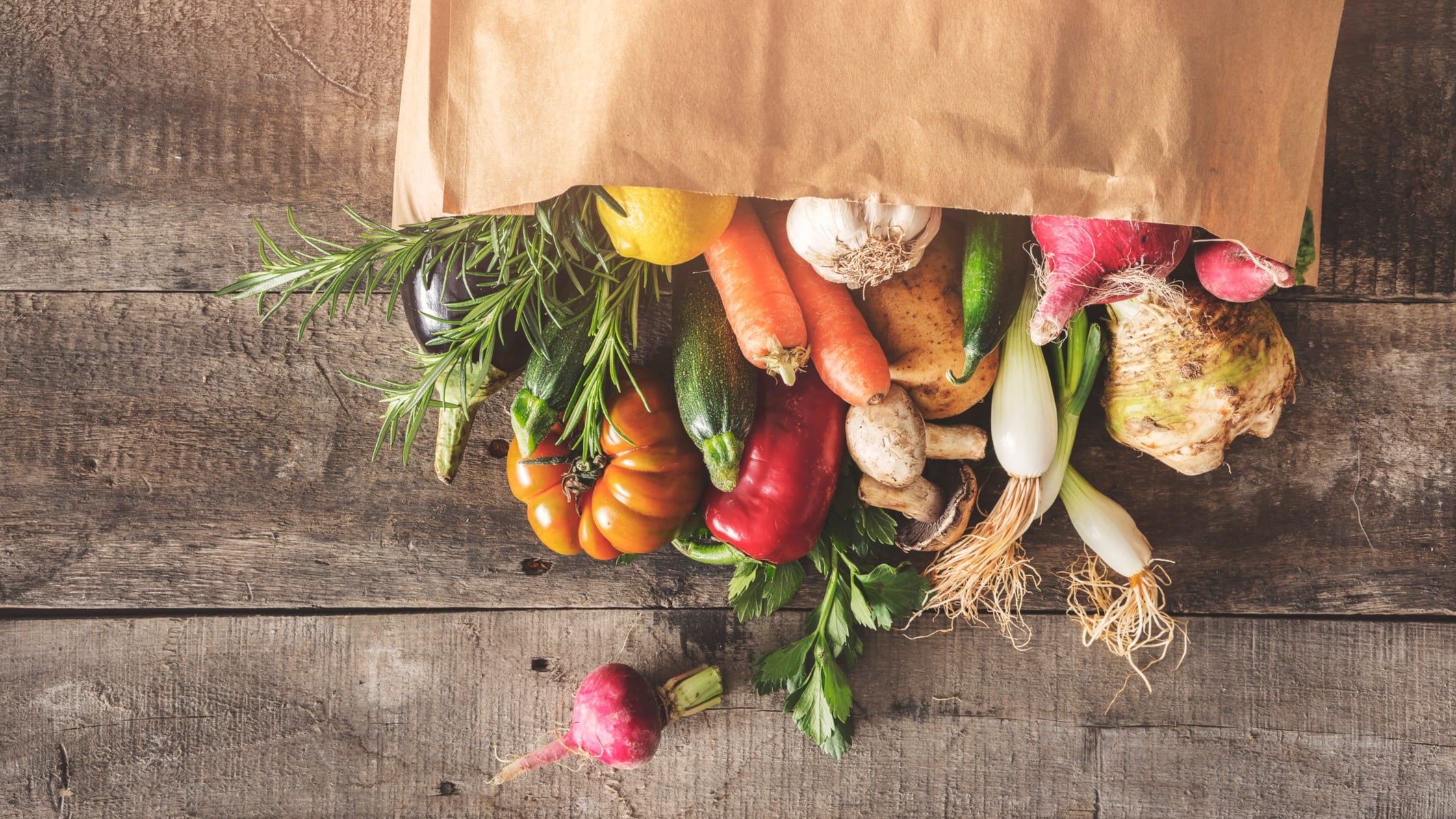
- Stock your kitchen with whole, fresh foods, such as nuts, seeds, beans, fruits, vegetables, canned fish and whole grains
- Choose lean proteins like beans, legumes, fish, pork, lean beef, and skinless chicken
- Cook using methods that require little to no added fat, such as baking, steaming, boiling, broiling, grilling, roasting, sautéing, and stir-frying
- Swap fats that are solid at room temperature (saturated fats), like lard, butter and margarine, for oils like avocado or extra virgin olive oil
- Flavor your food with spices and citrus, like lime or lemon juice, instead of salt and sugar
- Use low-fat yogurt, skimmed milk, or semi-skimmed milk in dips and sauces instead of cream, sour cream or whole milk
- Make small changes over time. For example, choose brown rice over white rice, or a mix of whole wheat and plain flour when you’re baking
Ultimately, the healthiest choice isn’t about homemade versus store-bought. Not all homemade food is healthy, and not all store-bought food is unhealthy.
By combining the control of home-cooked meals with the practicality of nutritious store-bought options, you can create a sustainable approach to eating that fits your lifestyle and supports your performance, both on and off the job.
This article originally appeared within the Summer 2025 issue. View the full issue here, or browse all back issues in theCRACKYL Library.