What happens between the fireground and the next call
The fire is out.
Attack lines lie across the pavement as crews pick up hose. Steam rises from wet turnout gear. Some firefighters continue overhaul while others swap air bottles, return tools, and catch their breath. Smoke settles onto helmets, gloves, boots, SCBAs, and everything else that went inside.
The incident is winding down, but the decontamination process is only beginning.
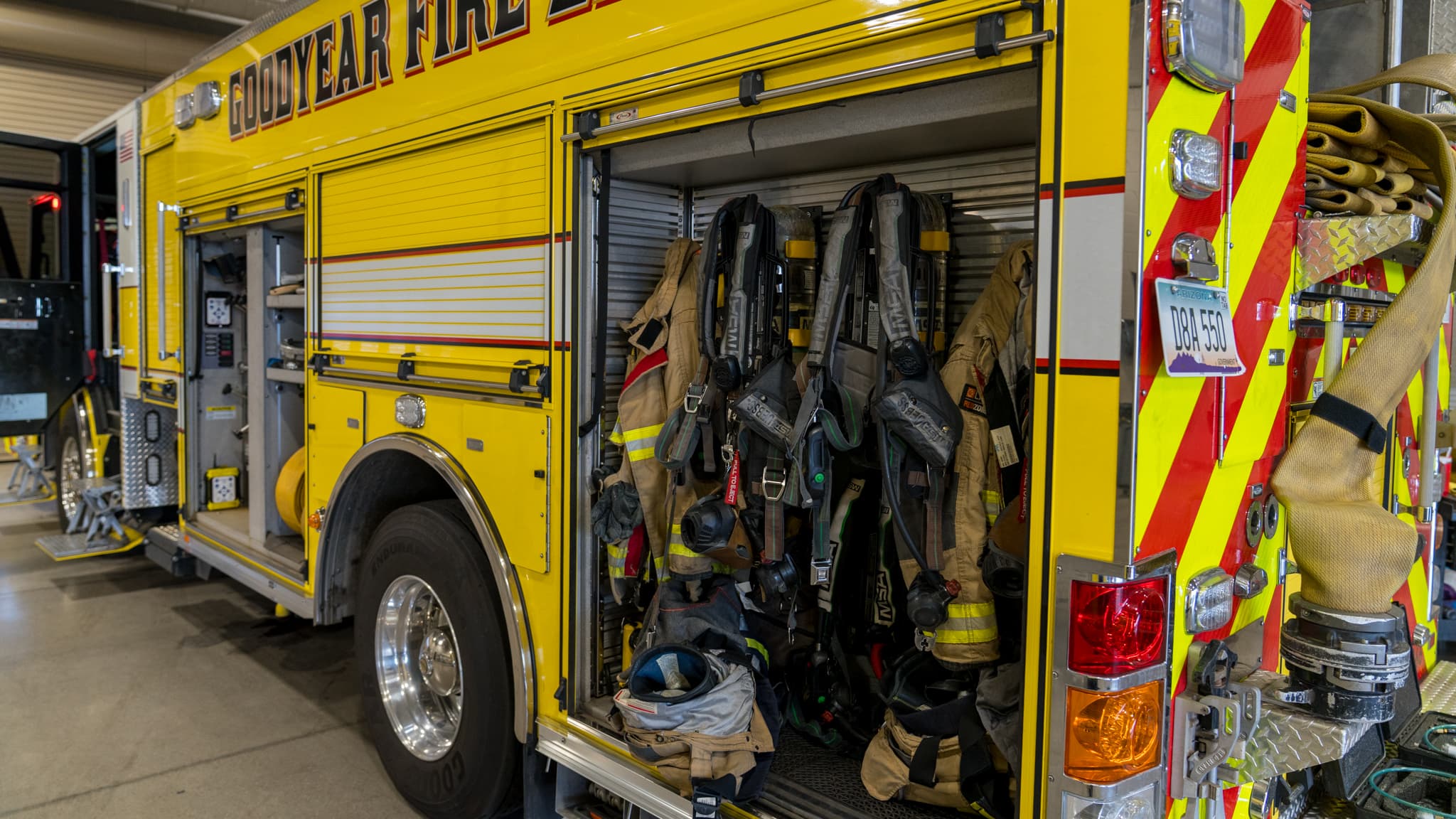
At Goodyear Fire Department, contamination control begins before crews leave the fireground. “At the incident, they do the gross decon and that equipment stays in the rear of the truck, never goes into the cab,” says Chief Tim Wayne, Goodyear (AZ) Fire Department.
It is a practical step that shapes the rest of the journey. Once the doors close, the gear, the equipment, and anything still clinging to them are headed somewhere next.
The First Stop: The Fireground
Modern firefighters face a different environment than previous generations. Synthetic materials, electronics, batteries, and modern furnishings can all contribute to the smoke, residue, and contaminants encountered during an incident. As Wayne puts it, “Everything we respond to is, in my opinion, considered a hazmat scene.”
Once the fire is controlled, the focus shifts to packing equipment and getting companies back in service. Departments are also asking: What do we bring back with us?
That question is at the heart of contamination control. Web Marshall, President, Fire Fighter Cancer Foundation, frames it simply: “Did we extend the scene?”
Decisions made on the fireground can influence where contamination travels next. Gear and equipment may be isolated or bagged before leaving the scene to reduce unnecessary contact with apparatus interiors and station environments. The goal is to contain contamination and keep it from spreading farther than necessary.
The Ride Back
The drive back is an important link in the journey.
For decades, turnout gear often rode alongside firefighters in the cab. Helmets sat on seats. Gloves were tossed wherever there was space. Today, many departments are rethinking that approach as they work to reduce cross-contamination.
At Goodyear Fire Department, that shift led to a clean cab program. “We initiated clean cab design, so no turnout gear goes inside of the cab ever,” says Wayne.
The concept is straightforward. Separating contaminated gear during transport provides fewer opportunities for contaminants to spread to seats and work surfaces. The destination may be the station, but the objective remains the same: move the gear into the decontamination process instead of allowing the fireground to follow the crew inside.
Back at the Station
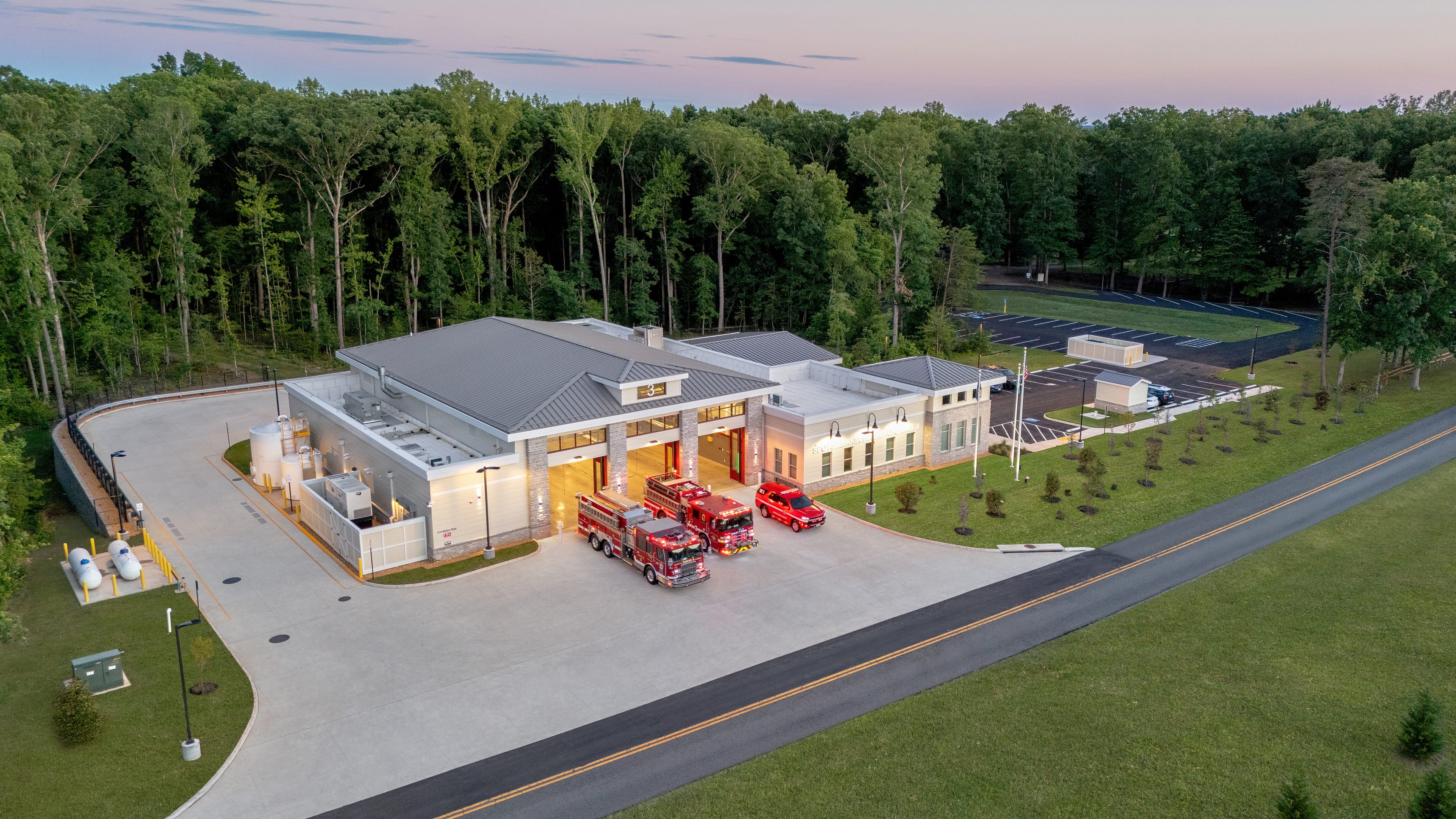
When the apparatus doors open, the focus shifts to keeping contaminants out of the spaces where firefighters eat, rest, train, and prepare for the next call.
That reality has driven departments to rethink how equipment and personnel move through a station after an incident. “Our station design, our decon corridors for personnel and equipment have really evolved, not only in new stations, but we are retrofitting old stations to include those measures,” Wayne explains.
Marshall describes the approach this way: “The hot zone is where the most contaminated equipment stays. The warm zone is where we clean things. The cold zone is where we live.”
Whether a department operates from a new facility or a decades-old station, the objective is to create a clear path toward cleaning rather than allowing contaminated equipment to migrate into living spaces. As Marshall puts it, “I do not want those chemicals in the kitchen, the day room, or the bunk room.”
The Places We Don’t Think About
Contamination does not always travel in obvious ways. A firefighter removes dirty gloves and reaches for a compartment handle. A helmet is placed on a bench. An SCBA passes through a doorway. Gear and equipment touch dozens of surfaces, creating opportunities for contaminants to move beyond where they started.
Russ Osgood, Chief Education, Outreach, and Research Officer, Firefighter Cancer Support Network, explains the challenge. “There are so many exposure pathways. Firefighters need to chip away at each one.”
That means thinking beyond turnout gear. Helmets, hoods, gloves, boots, SCBAs, hand tools, and other equipment all play a role. Contamination control begins with recognizing where these items go and what they touch.
Breaking the Chain
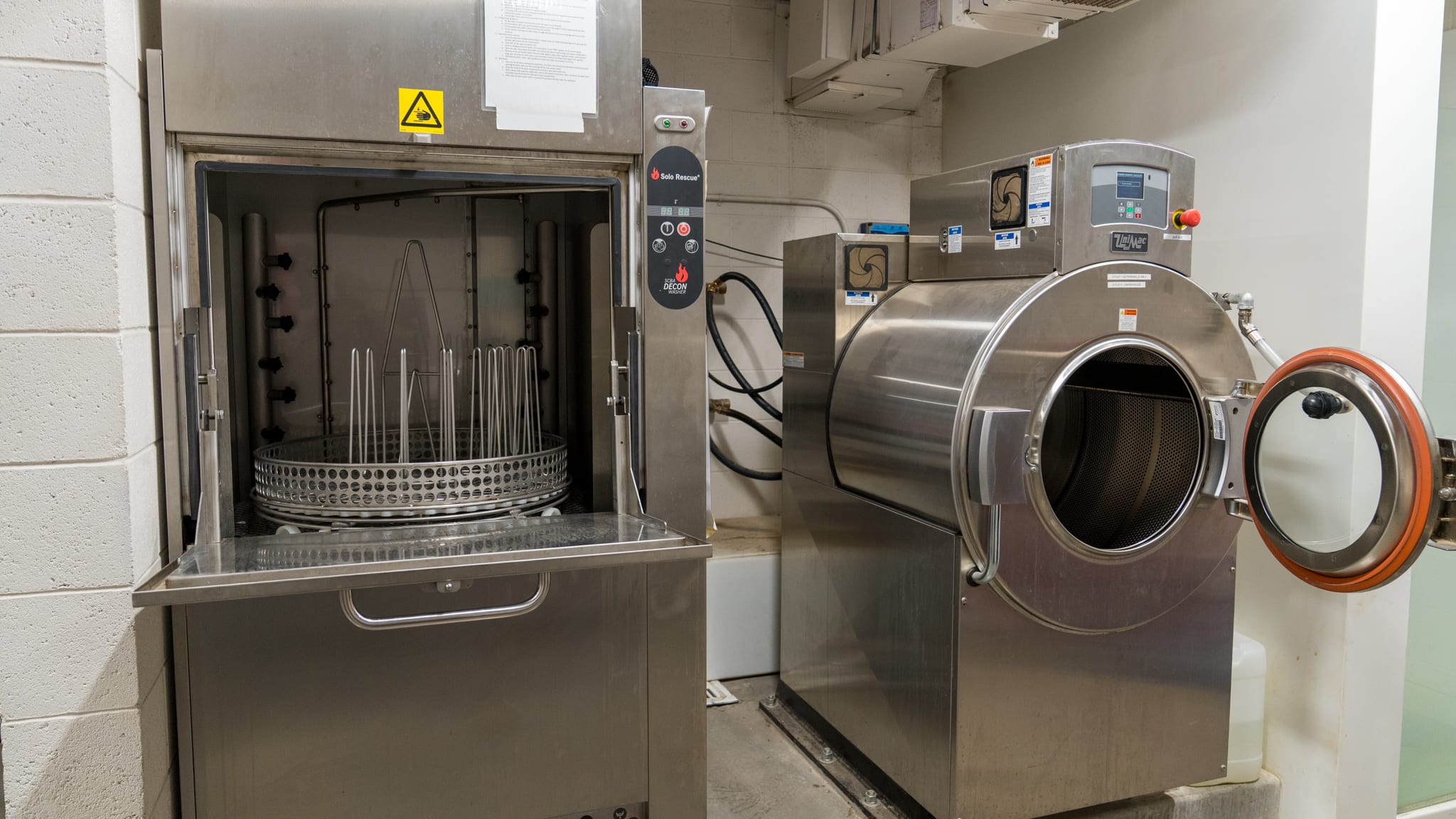
Eventually, contaminated gear reaches the systems designed to support the decontamination process. Turnout gear may move through an extractor, while helmets, gloves, SCBAs, and other equipment follow their appropriate cleaning process. Gear and equipment are then dried, inspected, and prepared to return to service.
These steps help keep contaminants from continuing through the station, into future responses, and beyond the firehouse. A gear bag placed in a personal vehicle, equipment handled after a shift, or contaminants left on gear can create additional opportunities for exposure.
As Marshall asks, “Can I bring chemical contaminants home from the fire service and bring them to my family?” It is a reminder that the journey of contamination does not end at the station.
Each part of the process matters, from bagging gear to cleaning, drying, and returning equipment to service. The goal is not perfection. The goal is breaking the chain.
Conclusion
The fire is out. The hose has been loaded. The gear has been cleaned, dried, and returned to service. The apparatus is ready for the next call.
But every stop along the way mattered. The fireground. The ride back. The station. The equipment room. Each created an opportunity either to contain contamination or allow it to continue moving.
No firefighter can eliminate every exposure, and no department can completely eliminate every risk. Yet many important opportunities to reduce exposure happen after the fire is out: bagging contaminated gear, separating dirty equipment from clean spaces, following station workflows, and properly cleaning, drying, and storing equipment.
None of these actions are dramatic. Most happen far from the flashing lights and the moments that make headlines. Routine decisions add up over a career.
Because contamination follows a path. The goal is to keep it from following firefighters into the next call, the next shift, or the places they call home.
The job is not just about surviving today’s fire. It is about being healthy enough to enjoy everything that comes after it.