
Recently, I had the honor of attending and speaking at the 2025 Montana State Fire Convention in Butte, Mont. It was a wonderful event, filled with passionate firefighters and leaders from across the state who came together to share ideas, strengthen the brotherhood and sisterhood of the profession, and continue learning. I was invited to speak on two topics that are deeply important to me: leadership and reducing occupational cancer in the fire service.
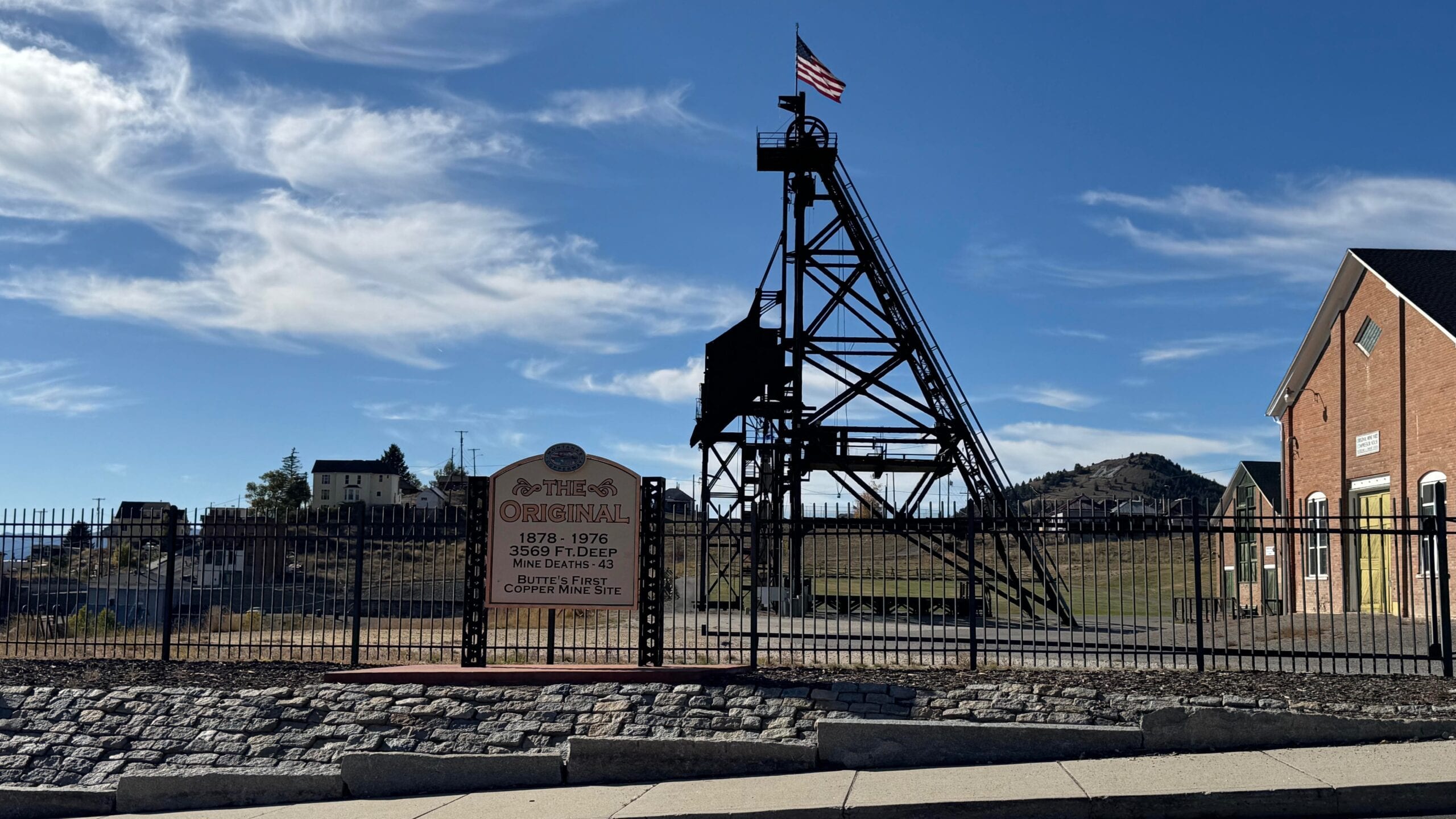
When I wasn’t participating in conference events, I took some time to explore the town. Walking through Butte was like walking through history. If you are even in the beautiful state of Montana, a stop in Butte to learn about its rich history is worth the trip. Known once as the “richest hill on earth,” Butte’s skyline is still marked by the tall, black headframes that tower over the landscape, silent reminders of the city’s mining legacy. The more I walked, the more I learned about the people who built this place and the incredible price many of them paid.
One of the most powerful stops on my walk was the Granite Mountain Speculator Fire Memorial. On June 8, 1917, 168 men lost their lives there in what remains the greatest disaster in hard rock mining history. Standing at that memorial, I felt a deep sense of respect for those who lost their lives here. The story of that tragedy is one of bravery, sacrifice, and lessons learned the hardest way possible. The fire spread rapidly through the mine, trapping men underground, many of whom died not from flames but from smoke and toxic gases.
As I continued walking through town, I came across several other historical markers and signs. Each one told a story of a life lost – or, more accurately, thousands of lives. One sign stopped me in my tracks. It noted that between 1870 and 1983, 2,500 men in Butte lost their lives from mine-related causes. Two thousand five hundred lives! Fathers, sons, brothers, and friends, all gone from workplace hazards that, over time, became almost accepted as part of the job.
That number is staggering by any measure. It should also be unacceptable. The loss of that many workers without the proper safety measures in place should serve as a warning for every profession that faces occupational risks – including ours in the fire service.
As I read those signs, my thoughts immediately returned to the reason I was in Butte in the first place. I was there to talk about occupational cancer in the fire service, a modern-day crisis that, like those mining deaths, has quietly claimed far too many lives.
The parallels were striking and impossible to ignore.
The miners of Butte faced dangers that were visible and immediate – fires, collapses, and explosions – but they also faced long-term exposures to toxic substances. Similarly, firefighters today face the acute dangers of fireground operations and the invisible, cumulative risks posed by carcinogens that linger in smoke, dirty gear, and even in the firehouse.
In both cases, the risks were – and are – known.
And in both cases, the challenge is not ignorance but inaction.
We can look back at Butte’s history and see the painful lessons learned only after too many lives were lost. In the fire service, we face similar challenges and have an obligation to learn from those lessons without repeating them. That means continuing to push for research, adopting best practices to reduce exposures, cleaning our gear and firehouses, and supporting policies that protect firefighters’ health. It also means embracing a culture in which firefighter health, wellness, and prevention are not afterthoughts but essential components of our profession.
The story of Butte is one of resilience and progress born from tragedy. It’s a reminder that the cost of complacency is measured in lives. As I left the memorial and returned to the conference, I carried with me a renewed sense of purpose. Just as the miners’ sacrifices led to improved safety standards in their industry, we in the fire service must honor our own fallen by ensuring future generations don’t suffer the same preventable losses.
We owe it to those who came before us – and to those who will come after – to do better.