
Why heat and humidity matter
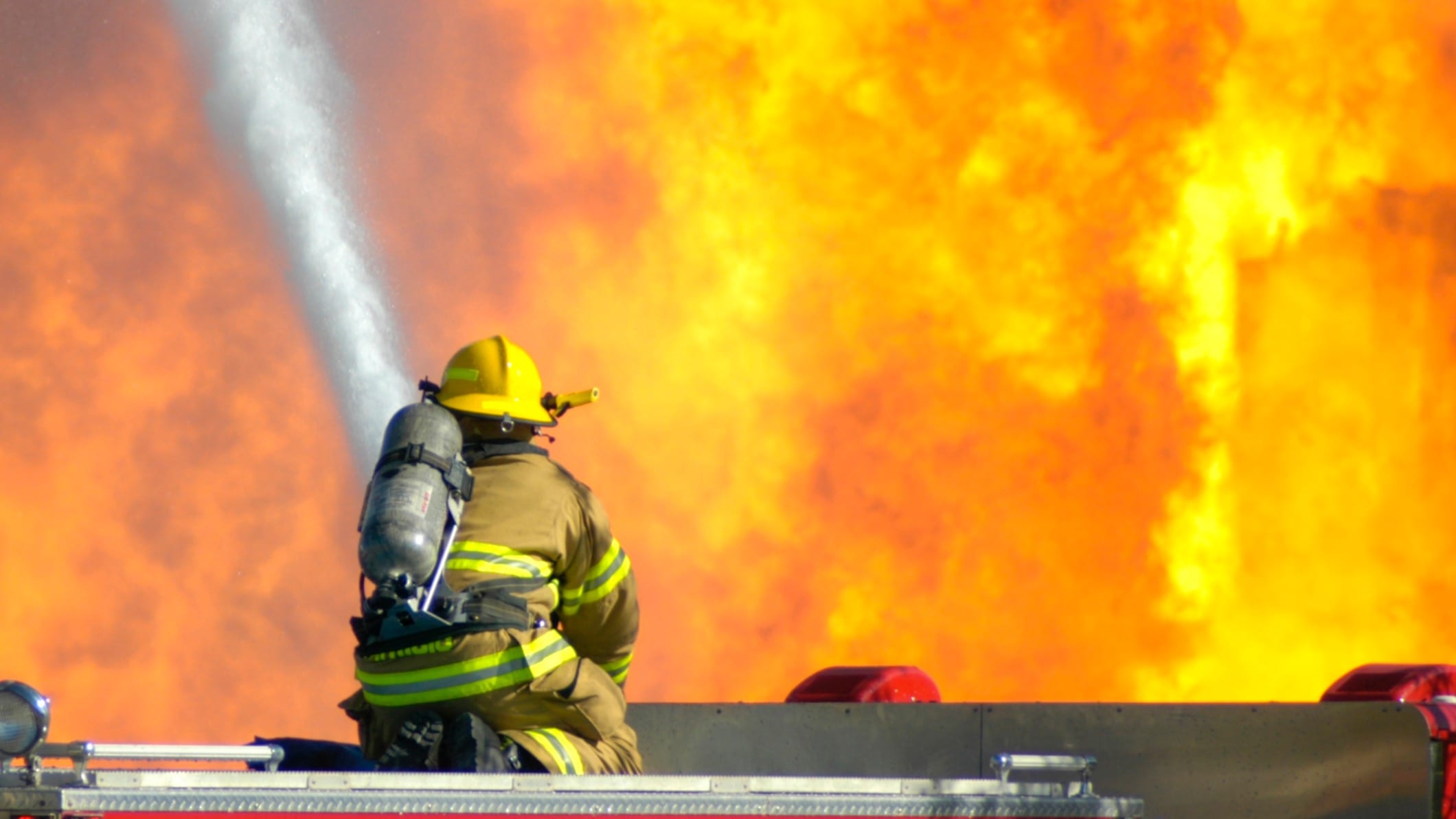
As summer peaks, firefighters across North America face some of the most demanding working conditions of the year. It’s not just the heat alone that’s dangerous; it’s the combination of high temperatures and humidity that can push the human body to its limits.
Consider this: a dry 99°F (37°C) day in Phoenix is punishing but often manageable. That same temperature in New York City, Baltimore, or Tampa, where humidity hangs heavy in the air, can feel far more oppressive, and even deadly. The difference lies in how the body cools itself. Sweat evaporation carries heat away, but in humid conditions, the saturated air slows this process. As a result, the body struggles to regulate its core temperature, increasing the risk of heat exhaustion, heat stroke, and other heat-related illnesses.
For firefighters, this is potentially life-threatening. High heat and humidity sap endurance, impair judgment, and reduce performance on the fireground. This is why the National Weather Service uses the heat index, which combines air temperature and humidity to reflect how hot it actually feels.
Acclimatization Helps Your Body Adjust
One critical factor in protecting against heat stress is acclimatization – the process of gradually adapting to higher temperatures. Firefighters who spend most of their time in air-conditioned stations, vehicles, or homes may be especially vulnerable when suddenly exposed to extreme heat. It’s like stepping off a plane in the tropics after leaving a cold winter climate – the heat feels overwhelming at first. Thankfully, with regular exposure over about two weeks, the human body adjusts, improving its ability to regulate temperature, sweat efficiently, and tolerate the heat. Those who already spend time outdoors are often better adapted.
To operate safely during warm-weather conditions, firefighters must prepare in advance and remain vigilant on the fireground. Hydration before, during, and after operations is critical. Departments should monitor the heat index – not just air temperature – to accurately assess risk levels. Crews also need to recognize early warning signs of heat-related illness, such as muscle cramps, fatigue, confusion, or dark-colored urine, and take immediate action when they appear. Safely managed outdoor training can also build resilience to heat stress, making crews better prepared for the conditions they’ll face in real incidents.
Keys to Tolerating Extreme Heat
Firefighting in extreme heat requires careful planning, heightened awareness, and unwavering discipline. Respecting the power of heat and humidity – and taking proactive steps to counter them – can protect firefighters’ health and maintain their effectiveness, even when the thermometer is soaring.
So get outside and train – not just inside the comfort of an air-conditioned firehouse, but in the same heat and humidity you’ll encounter on the job. You’re not only sharpening your skills and abilities, but also building the heat tolerance your body needs to perform when it matters most.