Photo by Steve Baer | FireDog Photos
Cancer in the fire service isn’t just a statistic, it’s a reality we all face. We’ve all sat at a station kitchen table with a co-worker who has battled it, and it’s becoming a common conversation in firehouses.
The truth is, cancer risk starts with toxicant exposure. As firefighters, we understand the risks, but we need to reduce those so we can become proactive instead of reactive to cancer. Current research provides life-saving education, yet it’s easy to feel skeptical or overwhelmed. Trust me, I (John) get it – I’m a firefighter, too.
But here’s the bottom line: cancer is far more inconvenient than taking steps to prevent it. It’s time to be proactive, and science is here to help us do just that. Let’s dive into practical, research-backed strategies that will lower your exposure and reduce the cancer risk for you and your crew.
Science – Building Trust
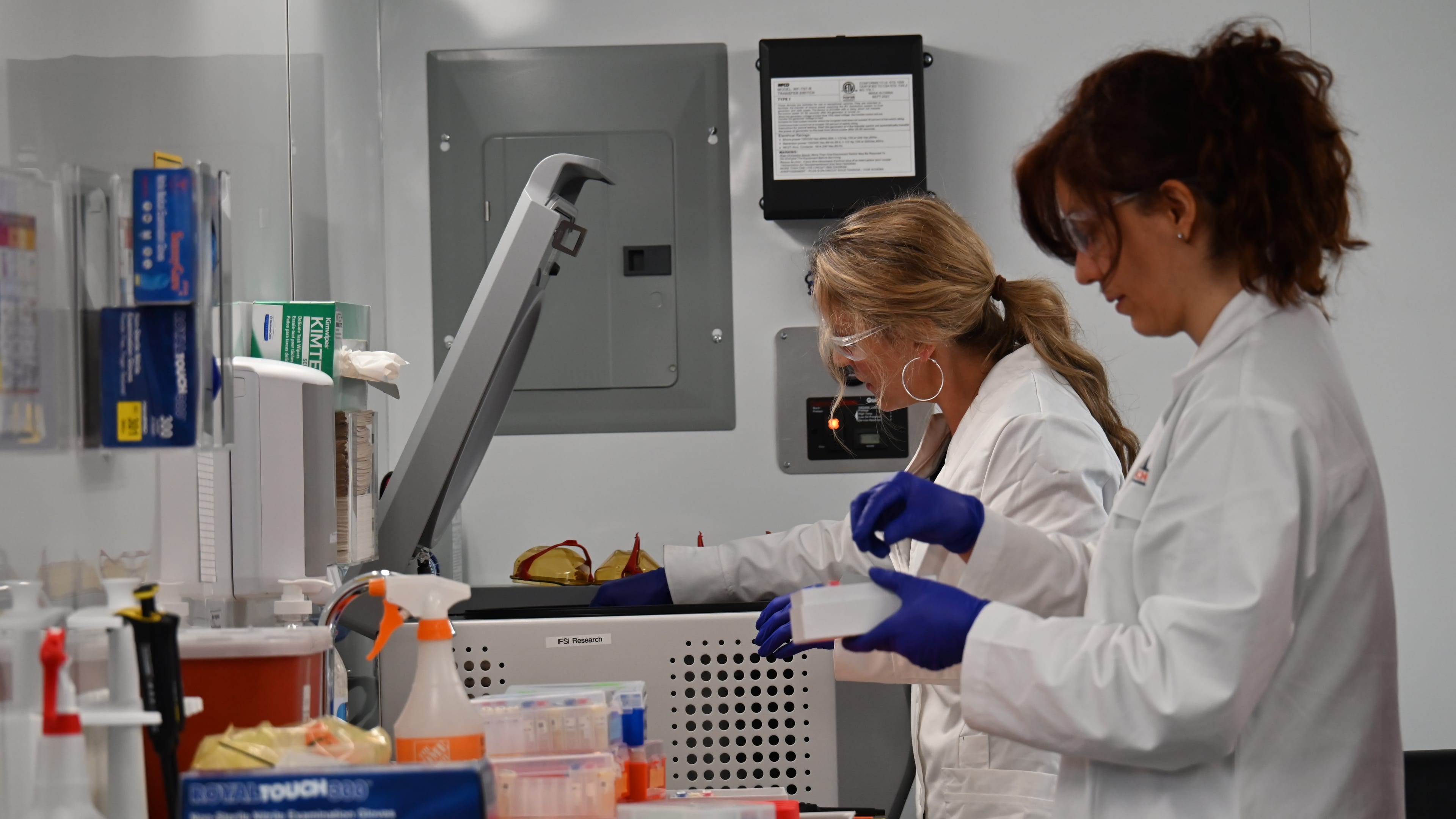
Let’s address a key concern: can you trust the research? The answer is yes; evidence based, peer-reviewed research can be trusted. As a safety captain with the Tucson Fire Department (TFD) working side by side with the researchers at the University of Arizona (U of A), I now understand how the peer-review process for research is an important step to having trustworthy results. Independent experts review the research methodology and data to confirm its validity.
With that in mind, here are two research-based methods you can implement to reduce your risks:
1. Washdown/Post-Fire Decon
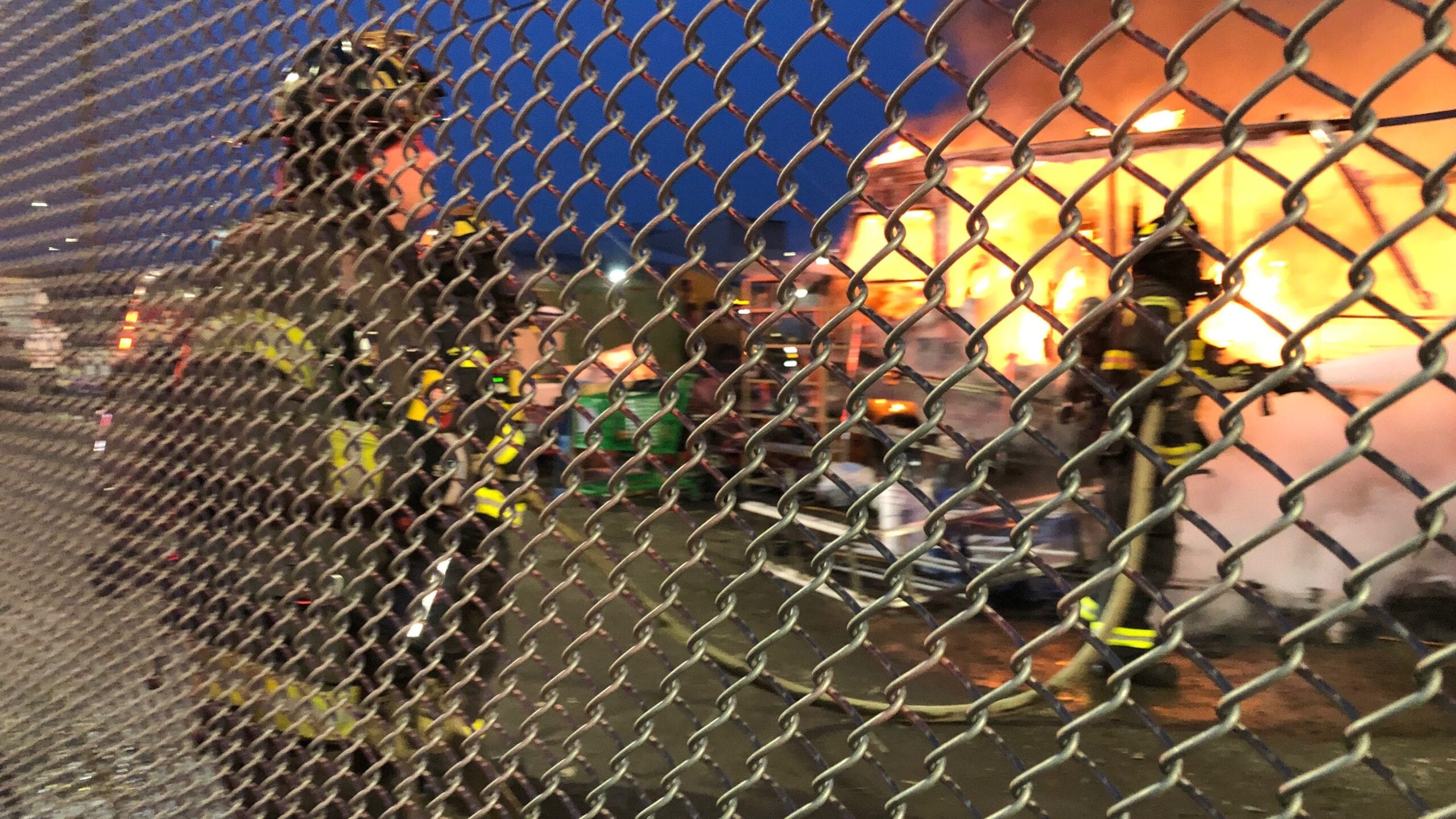
A simple yet powerful way to protect yourself from toxicant exposure on the fireground is to perform a washdown/post-fire decon of your gear.
In 2017, the National Institute for Occupational Safety and Health (NIOSH) published research led byDr. Kenneth Fent. The findings showed that washing gear removed 85% of PAHs, a class of chemicals commonly found in soot and known to have levels of toxicity on gear (Fent et al., 2017). Building on this, a study from the University of Arizona and Tucson Fire Department tested the impact of washdowns during real-time fire responses by measuring how many of these PAHs get into the body and are excreted in urine. The results were statistically significant and staggering: Washdown/post-fire decon of gear on scene reduced the amount of select PAHs that got into the body by 36.2% in firefighters (Burgess et al., 2020).
How to implement washdown/post-fire decon:
- **Use the process of “rinse, soapy water, brush, and …”**Wash off soot and toxicants immediately after fireground activities, while remaining on air.
- Get the right equipment You can easily get soap, brushes, and water supplies from your local supplier, like Home Depot.
- Adopt department-wide policies Ensure your department implements this procedure and trains all personnel on its importance.
For an example policy, visit the Tucson Fire Department’s washdown/post-fire gross decon policy atFFCCS.org.
2. Use of SCBA for Engineers – A Game Changer
Engineers are stationed outside during fireground operations, but they are not immune to danger. They can be exposed to dangerously high levels of smoke and diesel particulate matter. However, the research conducted between the U of A and Tucson Fire Department using the intervention of self-contained breathing apparatus (SCBA) while at the pump panel dramatically reduces PAH-OH toxicant levels by an impressive mean of 40.4% for engineers. This simple yet effective measure is vital for safeguarding their health on the fireground (Burgess et al., 2020).
- No special equipment required – SCBA is already on the truck.
Revisiting the Firefighter Culture: Embracing Change for Safety
Changing traditions in the fire service is tough, but necessary. By embracing new protocols like washdown/post-fire decon, and engineers on air, you’re protecting the safety of the entire team. Together, we can build a culture that prioritizes safety and well-being, ensuring we all go home safer.
Education and Training: The Foundation of Success
Regular education and training are critical. Firefighters need to understand the science behind the procedures to trust them, and implement them. Administrators need an exposure reduction policy and a way to monitor compliance. Training departments should schedule hands-on sessions to ensure they are following the best practice, using updated science for exposure reduction.
Be Proactive: Not Reactive
Fighting cancer in the fire service isn’t about waiting for a diagnosis, it’s about taking preventative action now. By adopting proactive measures like washdown protocols, and consistently wearing SCBAs, firefighters can drastically reduce their toxicant exposure and lower their cancer risk. The research is undeniable: prevention is your best defense.
References
- Burgess, J. L., et al. (2020). Journal of Occupational and Environmental Medicine, 62(4), 279-288.
- Fent, K. W., et al. (2017). Journal of Occupational and Environmental Hygiene, 14(10), 801-814.
- FFCCS.org