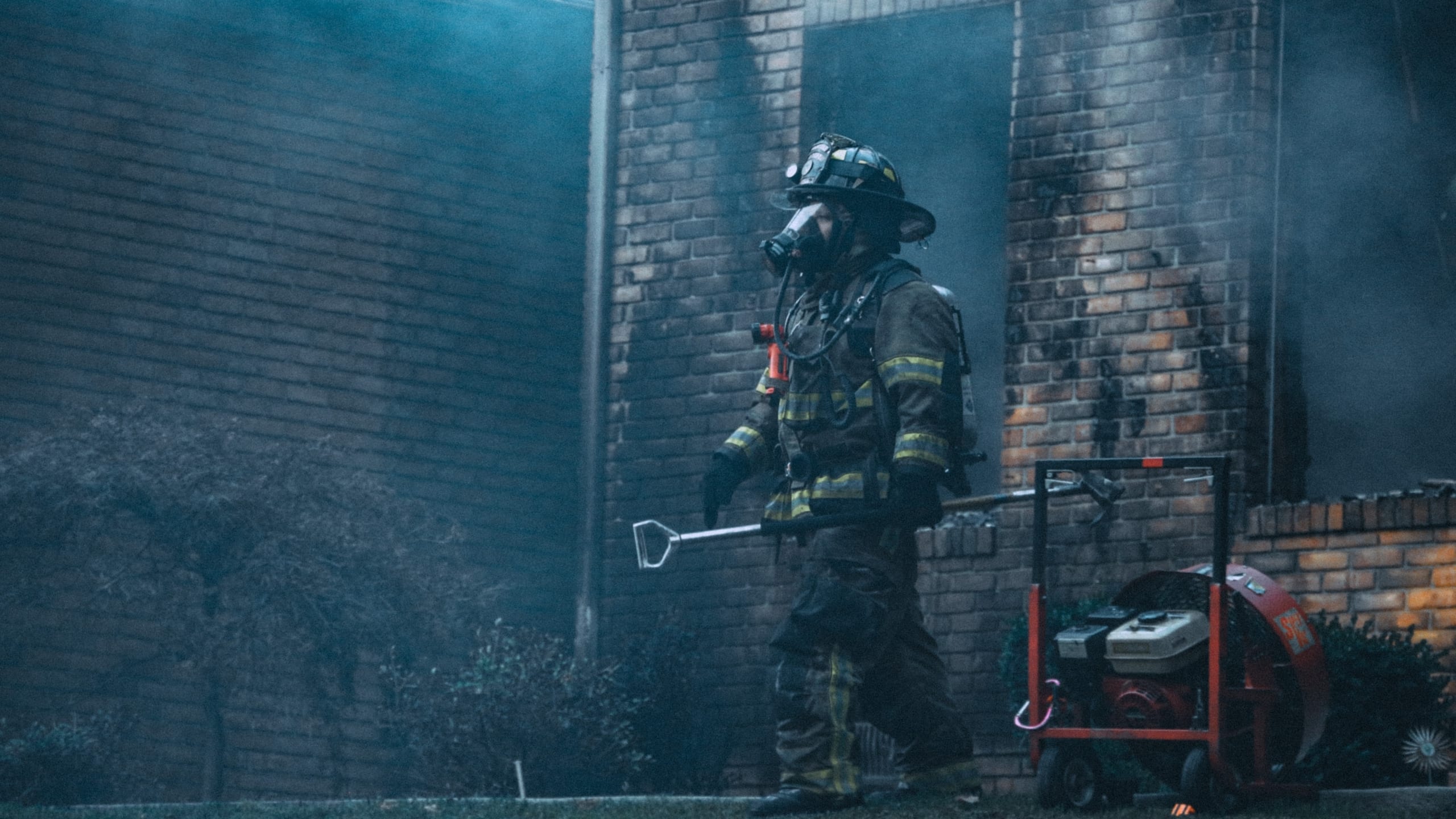
Clean gear has become a frontline defense in the fight against firefighter cancer, redefining what it means to protect those who protect us
“We strive for 30 and 30,” said Battalion Chief John Collins of the Round Rock Fire Department in Central Texas. “Thirty years of service and 30 years of happy retirement. Protecting our firefighters means more than helping them survive the call. It means giving them every opportunity to live long, healthy lives after their careers are over.”
It’s a simple idea, but a powerful one.
Spend a career serving your community, then spend the next chapter of your life enjoying everything you’ve worked so hard to build. Time with family. Time with grandchildren. Time to travel. Time to enjoy retirement.
“We strive for 30 and 30. Thirty years of service and 30 years of happy retirement.” — Battalion Chief John Collins, Round Rock Fire Department
For many firefighters, that’s the goal.
Yet cancer remains one of the greatest threats to achieving it.
For years, the fire service focused on the hazards we could see: flames, smoke, collapse, and heat. Those dangers are still very real, but today we understand another threat often follows firefighters long after the fire is out: Contamination.
The soot on a helmet. The residue on an SCBA harness. The contaminants trapped in turnout gear. The particles transferred from equipment to apparatus, stations, vehicles, and living spaces.
The danger doesn’t always end when the incident does.
Across North America, more departments are making firefighter health and cancer prevention a priority. Round Rock Fire Department is one of them.
Their approach isn’t centered around a single policy or piece of equipment. It’s a comprehensive firefighter health and wellness initiative designed to reduce exposure and support long-term health throughout a firefighter’s career.
That commitment includes annual cancer screenings, routine bloodwork, nutritional optimization, and full-body ultrasound screenings every three years. It includes on-scene decontamination practices, bagging contaminated gear after incidents, and ensuring firefighters have two sets of turnout gear so one set can be properly cleaned and dried before returning to service.
Most importantly, it reflects a culture that recognizes cancer prevention isn’t a one-time event. It’s something that happens every day.
One of the ways Round Rock supports that effort is through the use of seven Solo Rescue® decon washers located throughout the department and its training facility. Having multiple units available allows crews to clean contaminated equipment quickly and consistently, helping reduce bottlenecks, support department-wide compliance, and make decontamination a routine part of operations rather than an occasional task.
After a fire, contaminants can remain on helmets, boots, gloves, facepieces, SCBAs, and other equipment. Thorough cleaning helps reduce the chance of those contaminants continuing to expose firefighters back at the station, in apparatus, or during future responses.
That shift in thinking represents how much the fire service has evolved.
There was a time when dirty gear was often viewed as a badge of honor, a visible sign of hard work and experience. Today, clean gear represents a different mindset. It represents professionalism, readiness, and a commitment to taking care of yourself and your crew.
Clean gear saves lives. There was a time when dirty gear was seen as a sign of experience. Today, clean gear represents something different:
Professionalism Readiness Accountability A commitment to firefighter health
At Rescue Intellitech, we’re proud to work alongside industry partners like the Firefighter Cancer Support Network and the Fire Fighter Cancer Foundation, organizations that are helping lead the firefighter cancer conversation every day.
These organizations do far more than share statistics and research. They support firefighters and families navigating some of the toughest challenges of their lives. Through education, peer support, advocacy, and outreach, they help departments build stronger cancer-prevention programs and ensure firefighters have access to resources when they need them most.
Through those partnerships, we’ve heard stories from firefighters at every stage of their careers, from new recruits to retired chiefs.
While every story is unique, one theme comes up again and again: “I wish we knew then what we know now.”
What Today’s Firefighters Know
Exposure doesn’t stop when the fire is out. Small actions matter:
Gross decon on scene Bag contaminated gear Separate clean and dirty equipment Shower as soon as practical Thoroughly clean equipment before returning it to service
The good news is that today’s firefighters have access to more knowledge, better tools, and stronger support systems than previous generations ever did.
“We talk a lot about making it home after the call, and that’s important,” said Collins. “But we’re also thinking about what life looks like 10, 20, or 30 years from now. We want our firefighters to enjoy retirement, spend time with their families, and be there for the milestones that matter. That’s why we take cancer prevention so seriously.”
We’ve learned that exposure doesn’t stop when the fire is out. Contaminants can remain on gear, equipment, apparatus surfaces, and station environments long after crews return to quarters.
We’ve also learned that small actions can make a meaningful difference. Gross decontamination on scene. Bagging contaminated gear for transport. Keeping dirty and clean equipment separated. Showering as soon as practical after a fire. Thoroughly cleaning equipment before it returns to service.
None of these practices eliminate risk entirely. Together, however, they help reduce unnecessary exposure and support the long-term health of the people wearing the gear.
More than a decade ago, Swedish firefighter Stefan Magnusson began asking a simple question: If we can safely clean equipment in other industries, how can we do a better job removing contaminants from firefighter equipment?
That question eventually led to the creation of Rescue Intellitech.
From the beginning, however, the focus was bigger than equipment. The goal was to help firefighters reduce exposure, support healthier fire stations, and give departments practical tools to better protect their people.
Ultimately, it comes back to what Chief Collins calls 30 and 30. Thirty years of service. Thirty years of retirement.
Because clean gear isn’t really about gear. It’s about making sure firefighters are around to enjoy the life they’ve worked so hard to build.