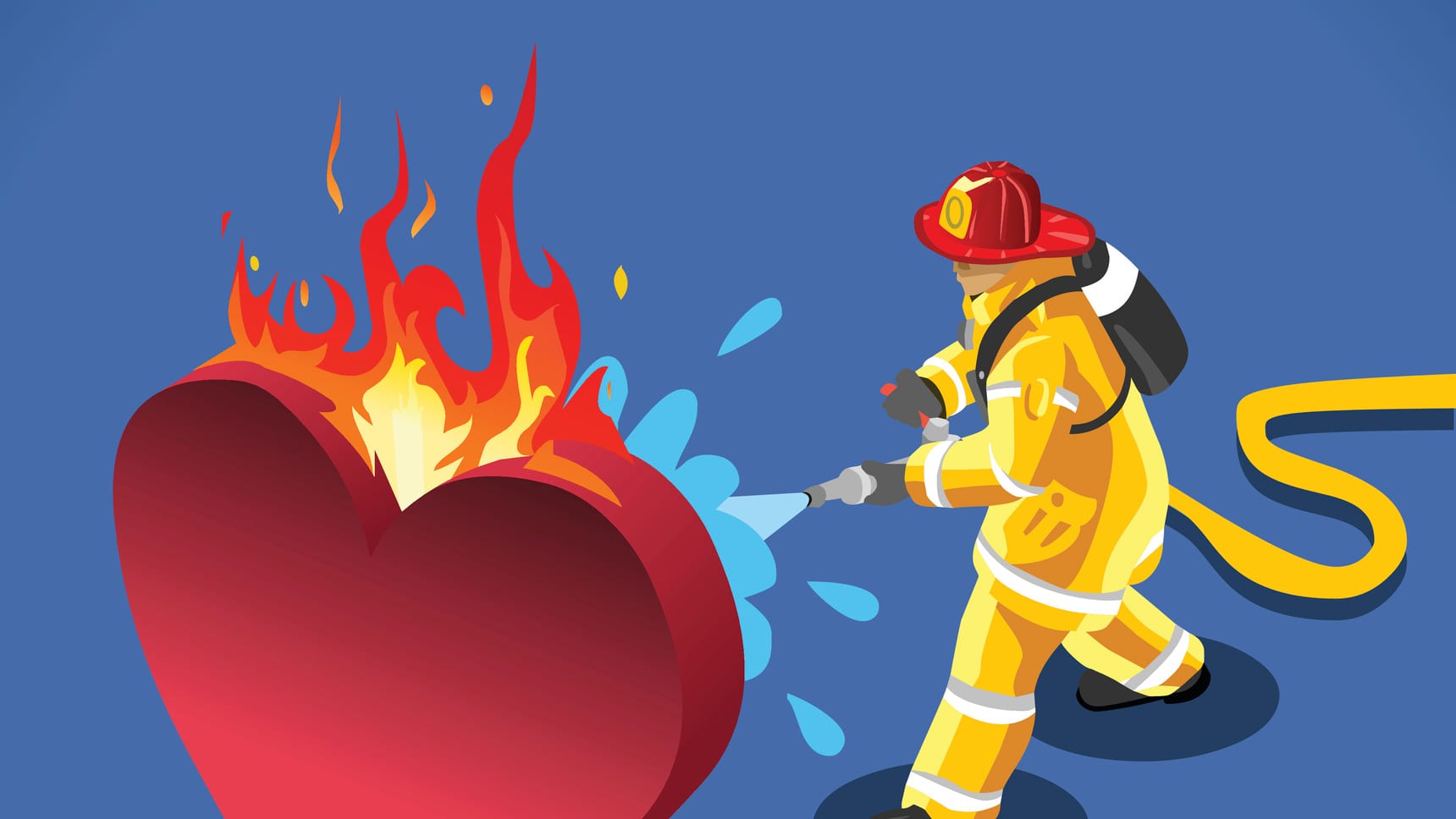
When most firefighters think about job dangers, flames, collapsing structures, and toxic smoke come to mind. Yet, the leading cause of line-of-duty deaths isn’t fire — it’s the heart. Sudden cardiac events remain the No. 1 killer of firefighters on duty, accounting for nearly half of firefighter fatalities each year (Fahy, Petrillo, & Molis, 2019). The good news? By understanding cardiac stress and taking proactive steps, firefighters can protect their health and performance.
Why Firefighting Is So Hard on the Heart
Firefighting is unlike other physical jobs. It combines bursts of high-intensity effort, heavy gear, and emotionally charged environments. Heart rate and blood pressure can spike within seconds, often reaching levels similar to elite athletes during maximal exertion (Smith et al., 2016). Even loud noises on the fireground — alarms, sirens, or explosions — can trigger spikes in heart rate and blood pressure before a firefighter even moves, priming the body for fight-or-flight. Add in the weight of PPE, the heat of the fireground, and smoke exposure, and the cardiovascular system is pushed to its limit.
Unlike workouts, these stressors hit without warning. One moment you’re at rest, the next you’re sprinting up stairs in 70 pounds of gear. That sudden shift is a major trigger for underlying heart problems.
“If you read the safety message inside your helmet it clearly states that firefighting is an inherently dangerous job, it’s dirty, difficult, demanding, and dangerous, just the way it will always be no matter how much we try to make it safer.”
— Lt. Ray McCormack, 2009
The Hidden Risks Firefighters Carry
Firefighters are not immune to health issues seen across the general population. Rates of hypertension, high cholesterol, and obesity are disproportionately high in the fire service (Poston et al., 2011). Combine these with irregular sleep schedules, high stress, and inconsistent nutrition, and the risk for heart disease grows.
One of the greatest dangers is undiagnosed cardiovascular disease. Many firefighters who suffered sudden cardiac death had underlying atherosclerosis or enlarged hearts that went unnoticed (Kales et al., 2007). Regular screenings are not optional, they’re lifesaving.
In addition, firefighters face exposures not seen in the general population. Hydrogen cyanide, a toxic particulate commonly found in fire smoke, is a silent killer. It shuts the body down from the inside out by blocking the cells’ ability to use oxygen, placing extreme strain on the heart and cardiovascular system. Even brief exposures can create long-term health consequences.
Operational Stressors
Several job-specific factors magnify cardiac load:
- Heat and dehydration: Increases in core temperature force the heart to pump harder
- Heavy load carriage: SCBA and PPE increase metabolic cost
- Adrenaline and noise: Emotional intensity and loud environments spike blood pressure even before movement
- Environmental toxins: Carbon monoxide, hydrogen cyanide, and particulates impair oxygen delivery
Together, these form a “perfect storm” for cardiac strain.
Psychological Stress and the Heart
Cardiac health is not only physical, it’s also mental. Firefighters face traumatic incidents that leave lasting marks. Post-traumatic stress disorder (PTSD) has been linked to nearly all of the hallmarks of cardiovascular disease: elevated blood pressure, arterial stiffness, increased inflammation, and heightened risk of heart attack. For many in the fire service, the toll of repeated trauma silently accumulates, raising long-term cardiac risk even in otherwise “fit” firefighters. Protecting the heart means protecting the mind, as well.
Protecting the Firefighter’s Heart
Firefighters must train and prepare their hearts just like any other skill. Key strategies include:
- Baseline Fitness
Higher aerobic capacity lowers risk of cardiac events (Smith, Fehling, & Frisch, 2018). Cardio training — running, rowing, cycling, or circuits — prepares the heart for fireground spikes. - Strength Training
Resistance work builds resilience for load carriage and hose drags. It should complement, not replace, aerobic training. - Routine Medical Checks
Annual exams can detect silent risks early. Blood pressure, cholesterol, and cardiac screenings are essential. - Recovery and Lifestyle
Nutrition, hydration, stress management, and sleep directly affect heart health. Proper fueling and rest protect recovery and performance.
On-Shift Strategies
Preparedness continues on duty. Firefighters can reduce risk by:
- Hydrating. Do it early and often
- Pacing when possible. Smooth, efficient movement saves energy
- Using crew strength. Share loads and rotate tasks
- Listening to warning signs. Never ignore chest pain, dizziness, or unusual fatigue
Culture Shift: Making Heart Health a Priority
Perhaps the hardest part of addressing cardiac stress isn’t the science, it’s the culture. Firehouse tradition often values toughness, but resilience comes from preparation, not denial. Prioritizing cardiac health doesn’t make you weak, it makes you ready.
Departments that implement wellness programs, peer fitness trainers, and annual screenings see measurable reductions in injuries and cardiac events (Poston et al., 2013). Protecting your heart should be a team priority, just like pulling hose.
Final Call
Every alarm tests more than skill and courage — it tests the heart. Firefighters face some of the most extreme cardiac stressors of any profession, but awareness and preparation can reduce risk. Protecting your heart isn’t just about surviving a career, it’s about thriving during it and living long after the last call.
Your crew depends on you. Make sure your heart is ready.