Loading…

All · Career & Leadership · Culture · Dispatch · Finance · Fire Service Culture · Fitness · Health · Health & Wellness · Leadership · Lifestyle · Mental Health · Nutrition · Relationships · Spotlight · Stress · Wellness

When betrayal turns your anger inward, the ultimate act of defiance is choosing to live and redirecting that fire.
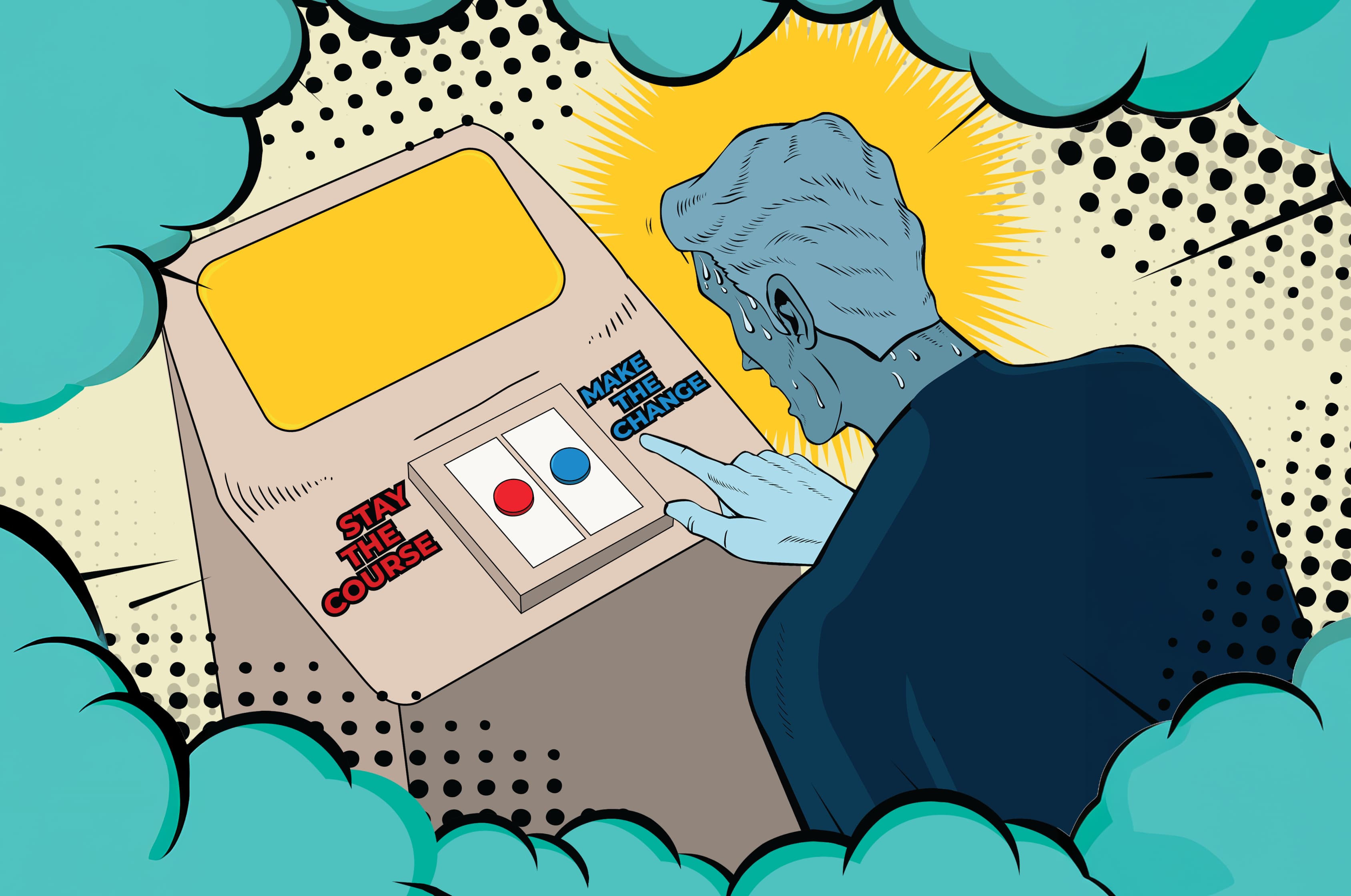
Engaging in suffering is up to us, and the very thing that threatens us most might just be the doorway to escaping it.
Why doing less might get you more.

Your need for quiet after a demanding shift is a normal nervous system transition, and explaining it can strengthen your relationships.

Years of intrusive thoughts, trauma, and mistaken diagnoses led to an unexpected answer, and a renewed hope for healing.
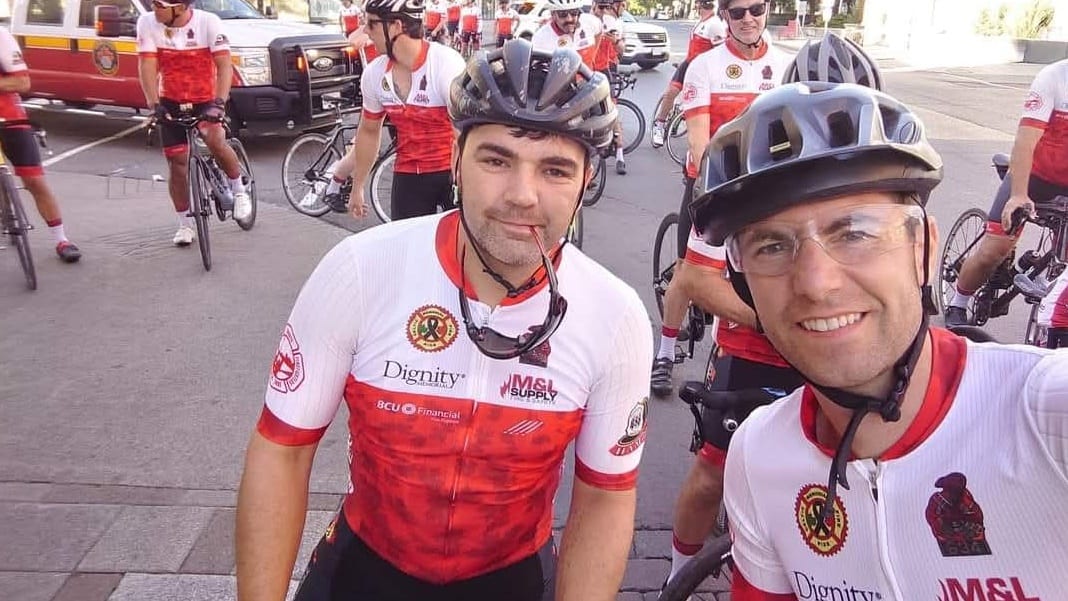
Firefighters cycle from Hamilton to Ottawa to honor Canada’s fallen and stand with the families they left behind.

A LEAN-inspired 5S approach can help chiefs and officers organize their thoughts before overload takes hold.

Moving beyond ‘cultural competence’ and outdated approaches to firefighter wellness.
The greatest burden is often the person we believe we have to be.

Vacation discomfort is your high‑alert firefighter wiring slamming into stillness and needing a smarter, gentler way to downshift.

Writing becomes a form of survival, turning scattered experiences into meaning, and giving firefighters a way to understand themselves.

Resilience on the job begins with restoring the person behind the turnout gear.
Why saving strangers can feel easier than staying connected at home.

How one fire family’s grief and gratitude grew into a foundation that walks alongside firefighters and the families who stand beside them.
Trauma doesn’t get to run up the score forever.
A firefighter’s journey into health and wellness.
The fire service may define your work, but it should never overshadow the life you’re still responsible for building.
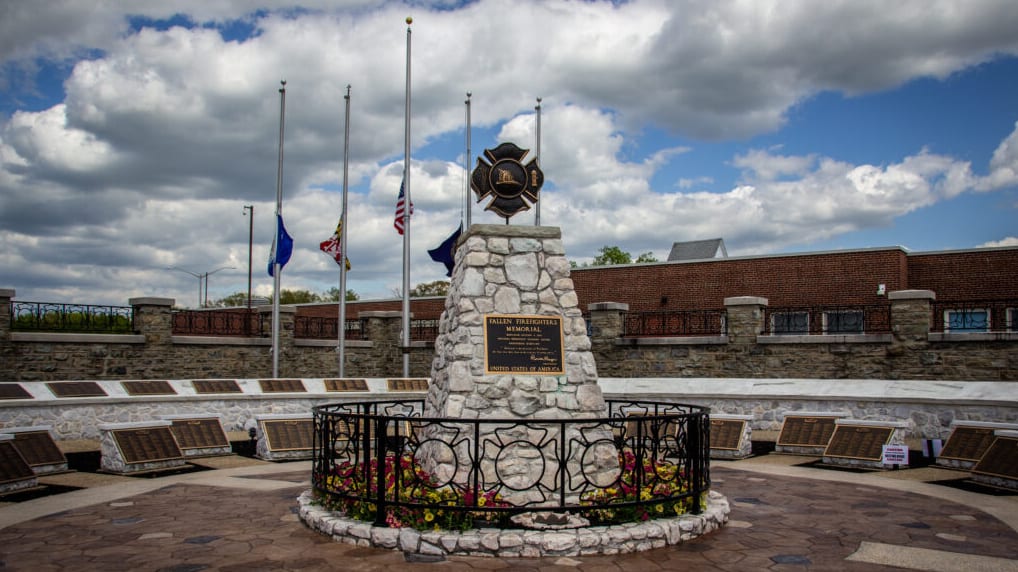
A proposed commemorative coin would channel resources into counseling, scholarships, and long‑term support for grieving firefighter families.

The inner game of retirement and injury places you on the edge of a chemical cliff no one warns you about.

Carrying the heart of a first responder.

A firefighter-paramedic confronts fear, recovery, and the question of who she is when the job that defined her is suddenly out of reach.

Fear-driven mental health protocols may be teaching first responders that honesty is more dangerous than silence.
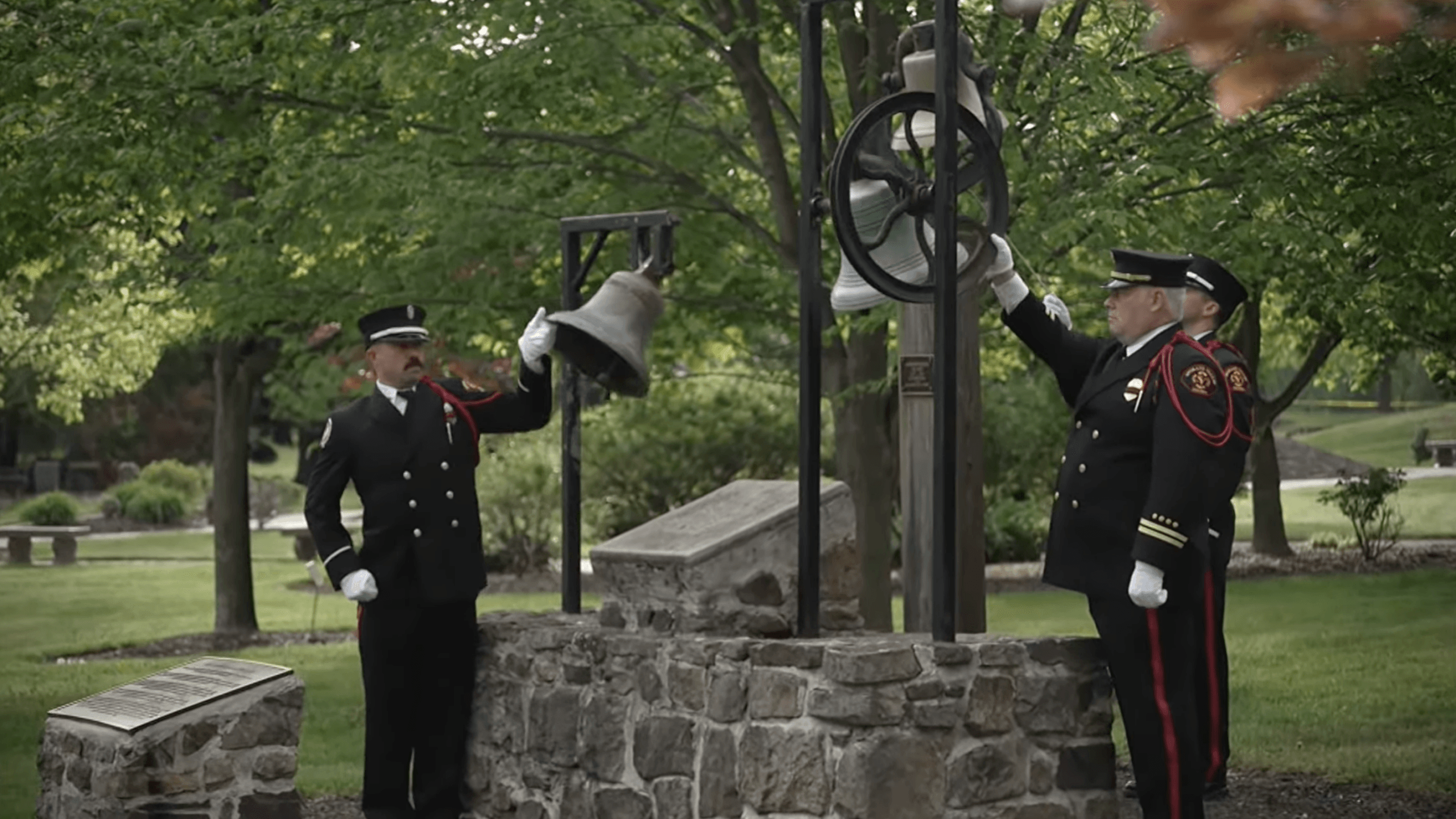
”Keep Fighting” is an exclusive CRACKYL content series from the National Fallen Firefighters Foundation (NFFF) aimed at educating the fire service through first-hand accounts.
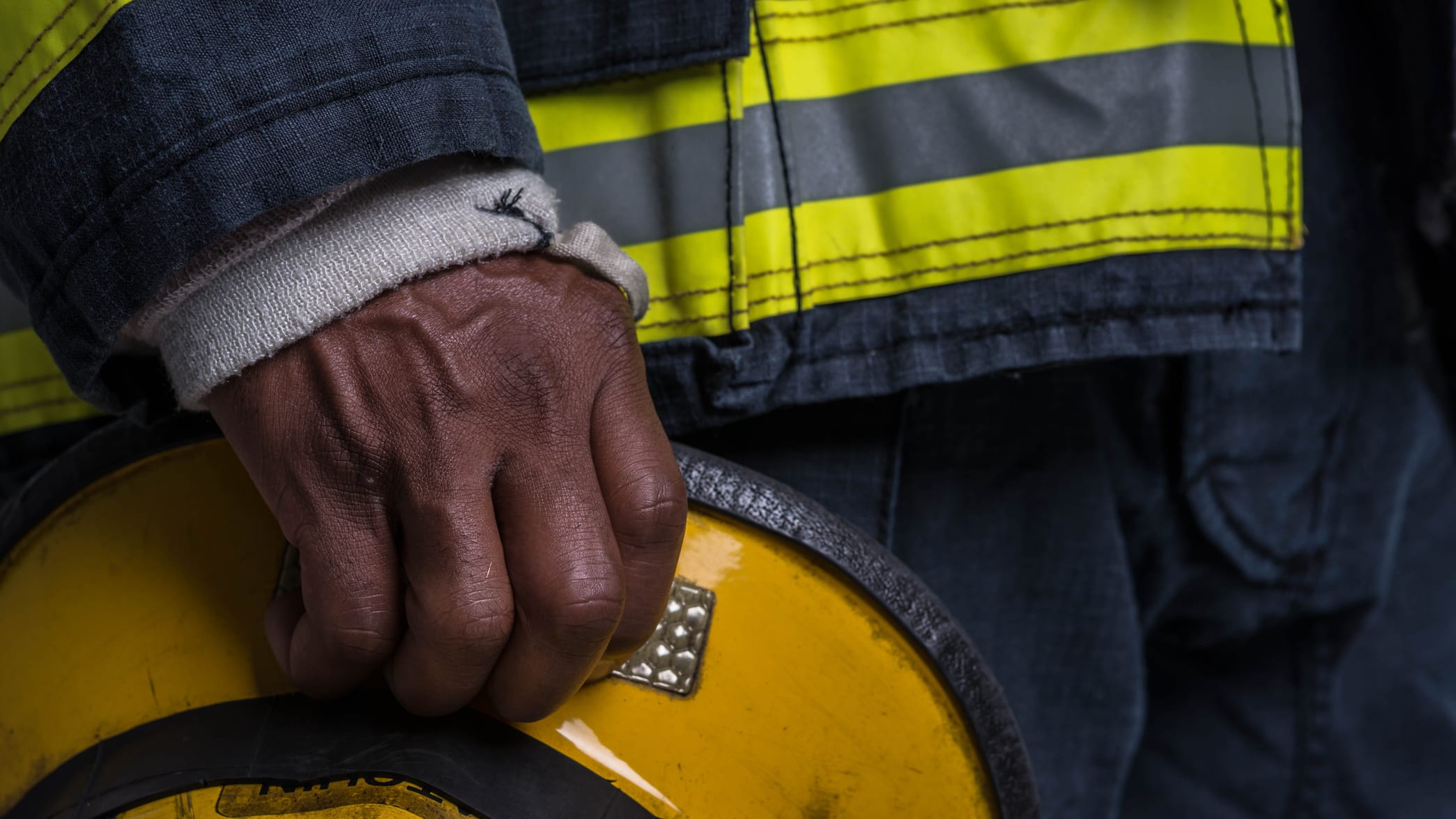
A translation for the fire service.