Loading…

All · Career & Leadership · Culture · Dispatch · Finance · Fire Service Culture · Fitness · Health · Health & Wellness · Leadership · Lifestyle · Mental Health · Nutrition · Relationships · Spotlight · Stress · Wellness

Applying exercise science to workout plans will improve your body’s fireground performance and endurance
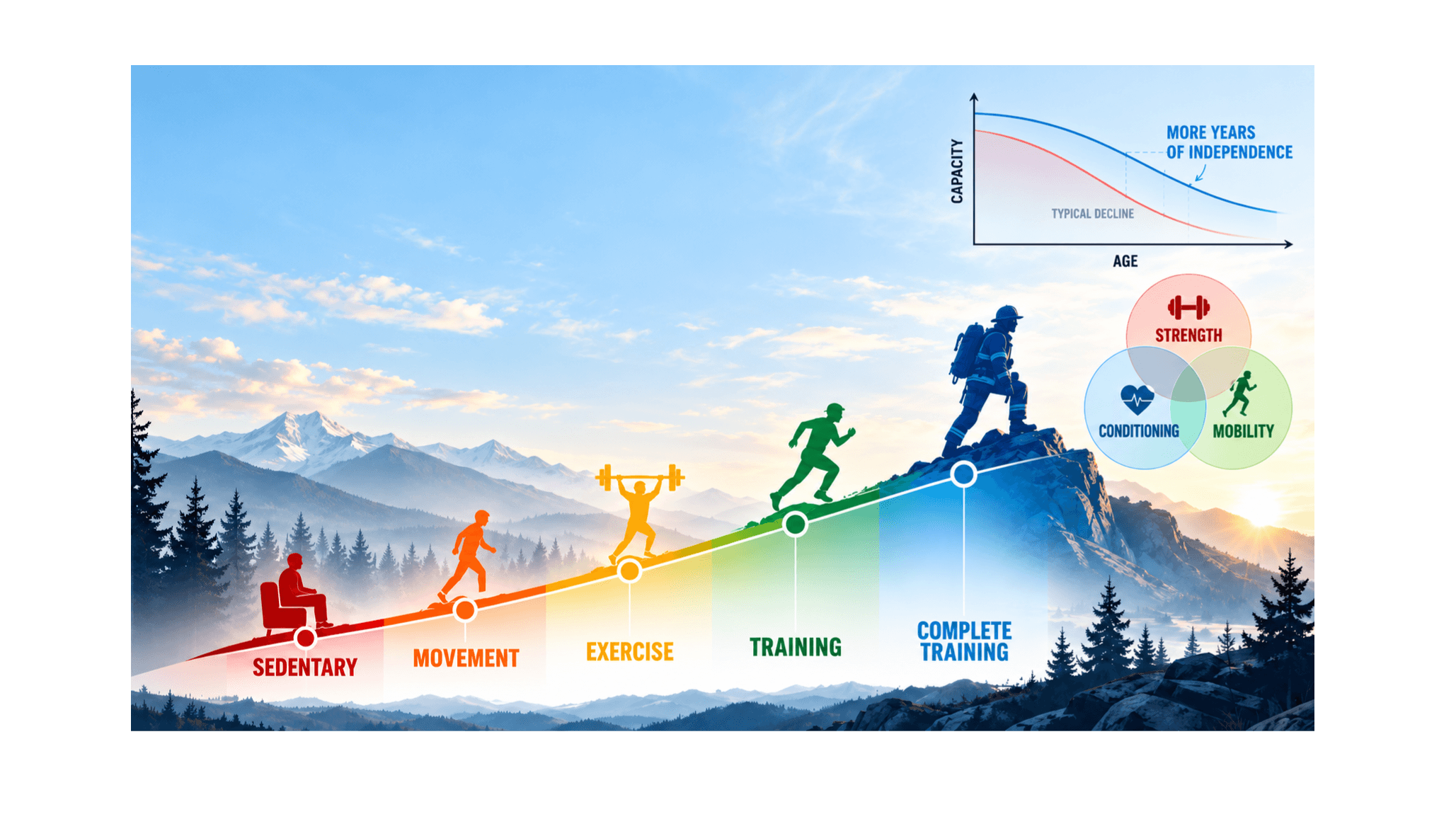
Ben Bergeron sees fitness as a spectrum that runs from sedentary to formidable
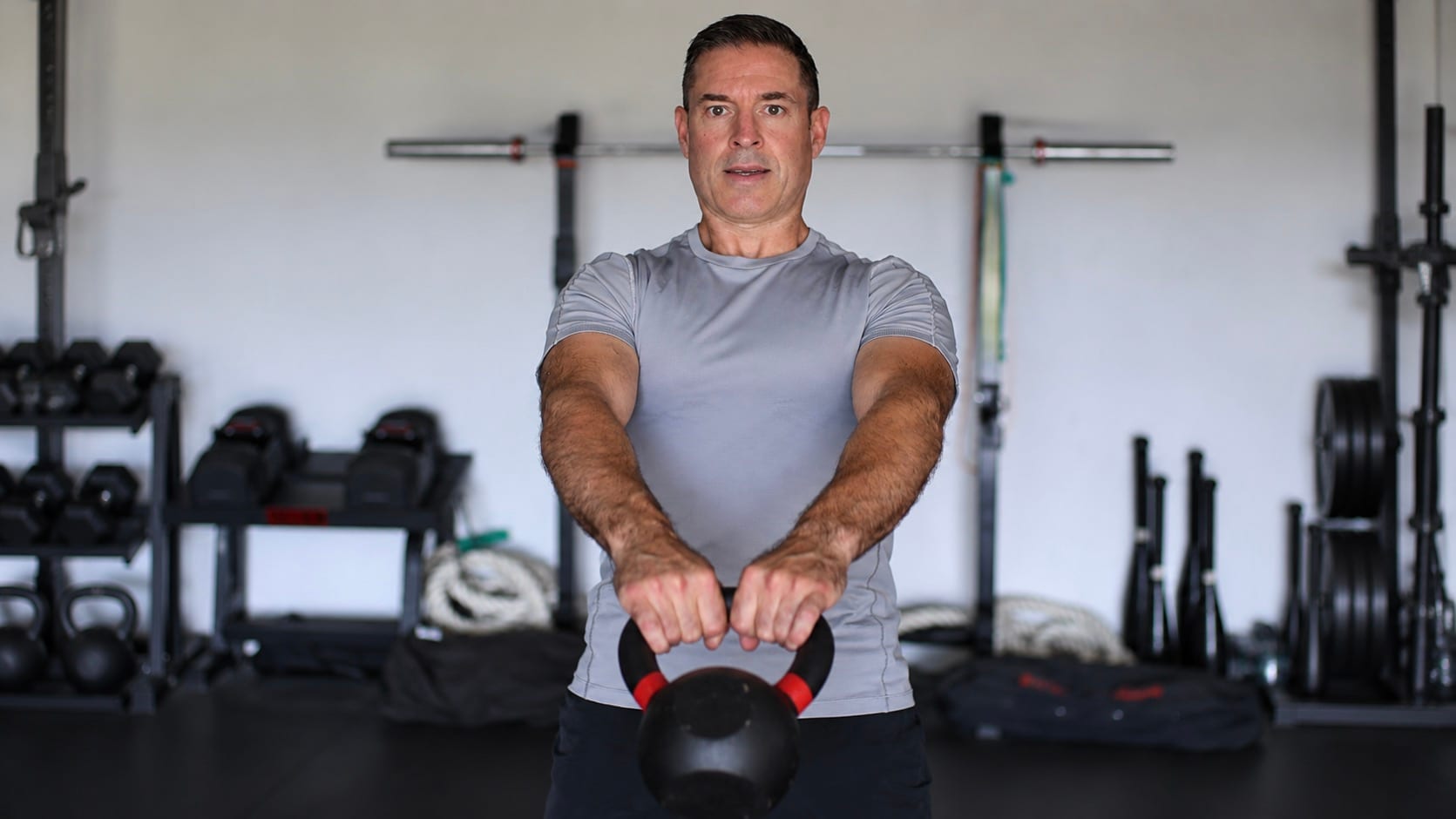
Varied-intensity interval training provides a practical approach to developing multiple physical capacities around the realities of firefighting and shift work
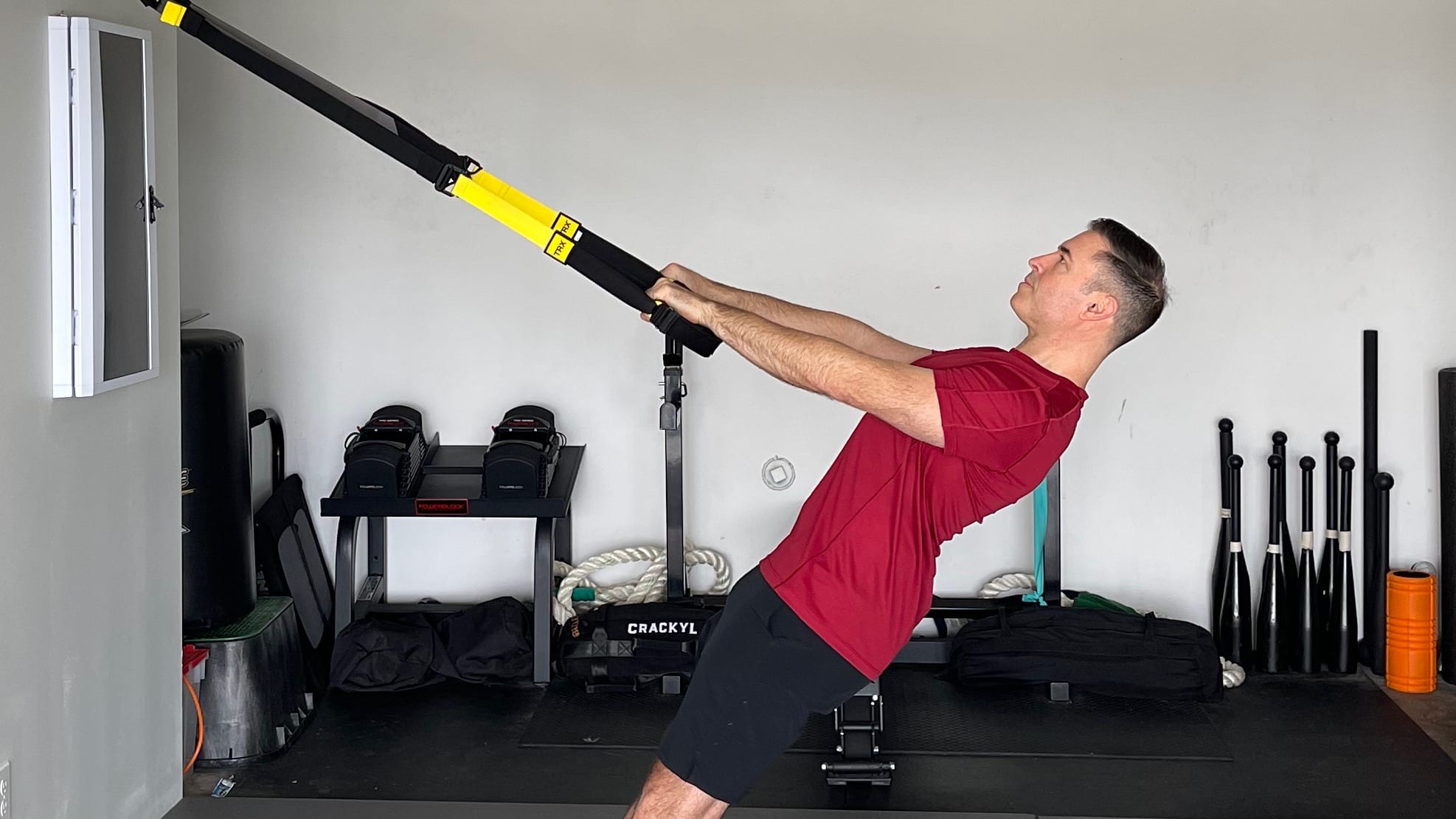
This firefighter-specific TRX workout uses a For Time training protocol to develop muscular endurance, strength, movement quality, and work capacity
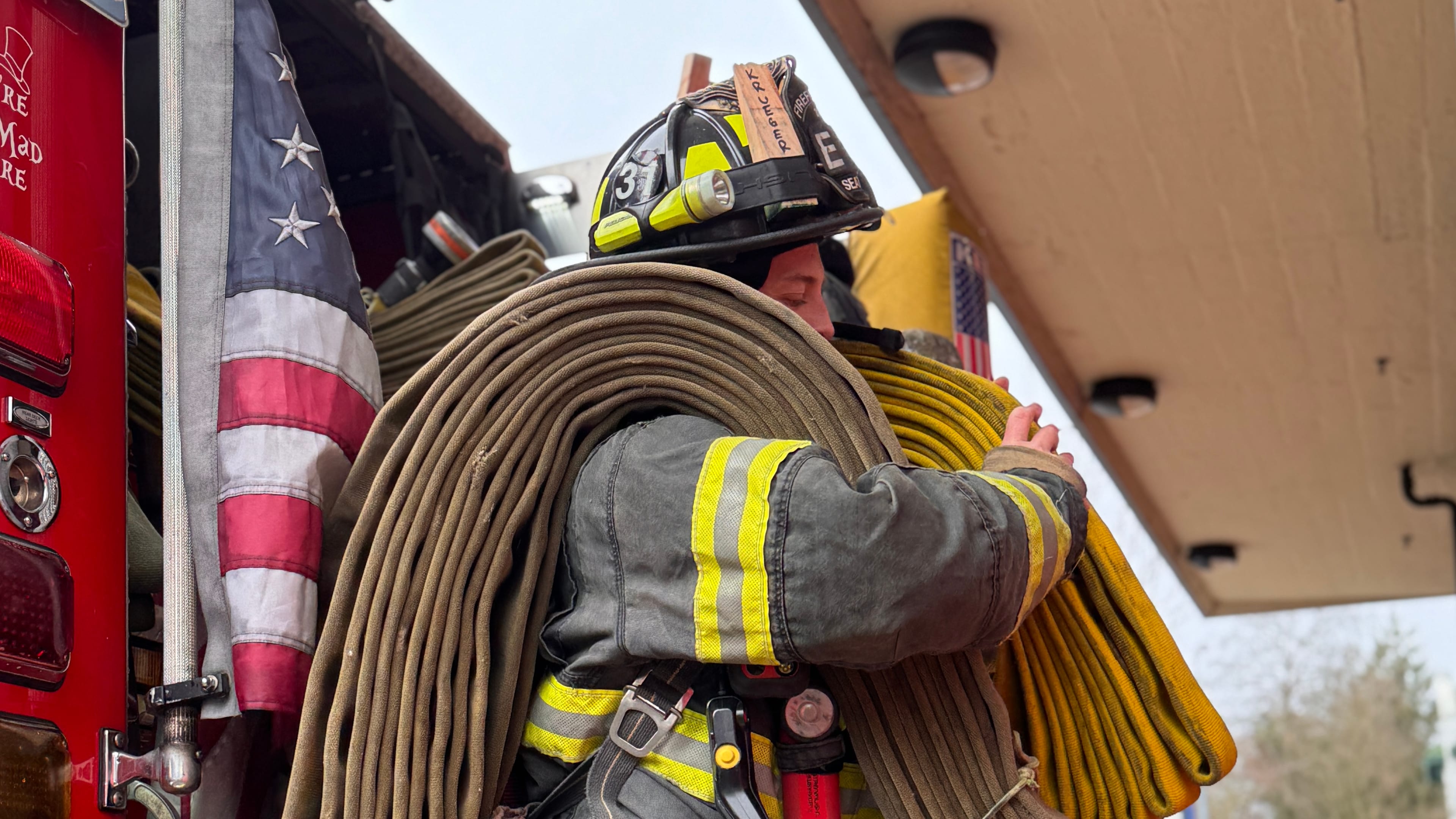
First responders can benefit from an athlete’s approach to preparation, recovery, and resilience to sustain performance and extend their careers

This firefighter-specific workout combines lower-intensity aerobic training with foam rolling and a structured flexibility circuit to develop aerobic endurance, maintain mobility, and support recovery

A practical framework for building a fire station gym that fits your department, with equipment options, layout guidance, and strategies for making the most of your space and budget
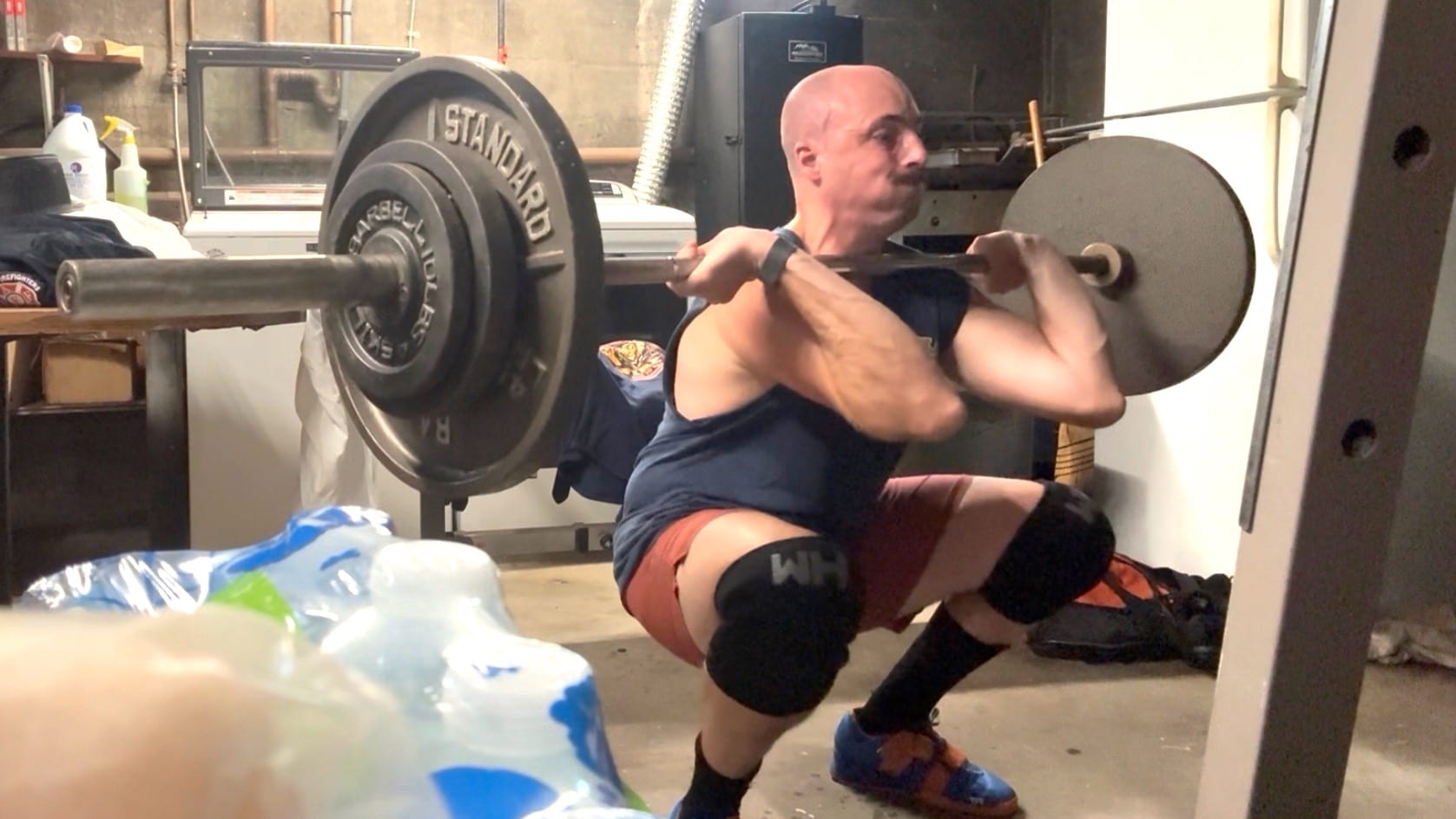
Despite the physical demands of the job, firefighter fitness is too often sidelined by culture, call volume, and complacency.
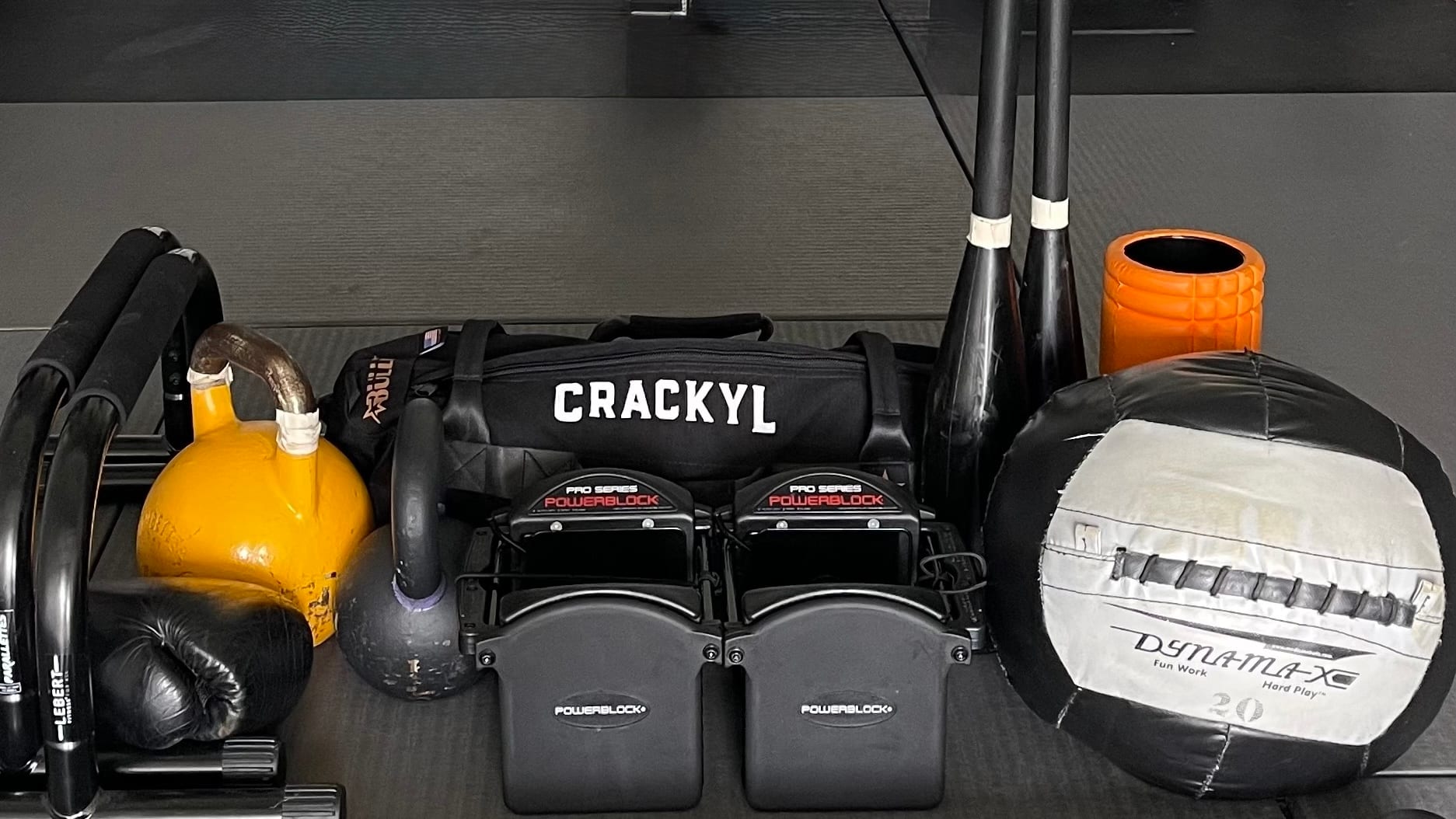
Discover how the Firefighter Tactical Fitness Framework applies exercise science to improve fireground performance, reduce injury risk, and build long-term operational readiness
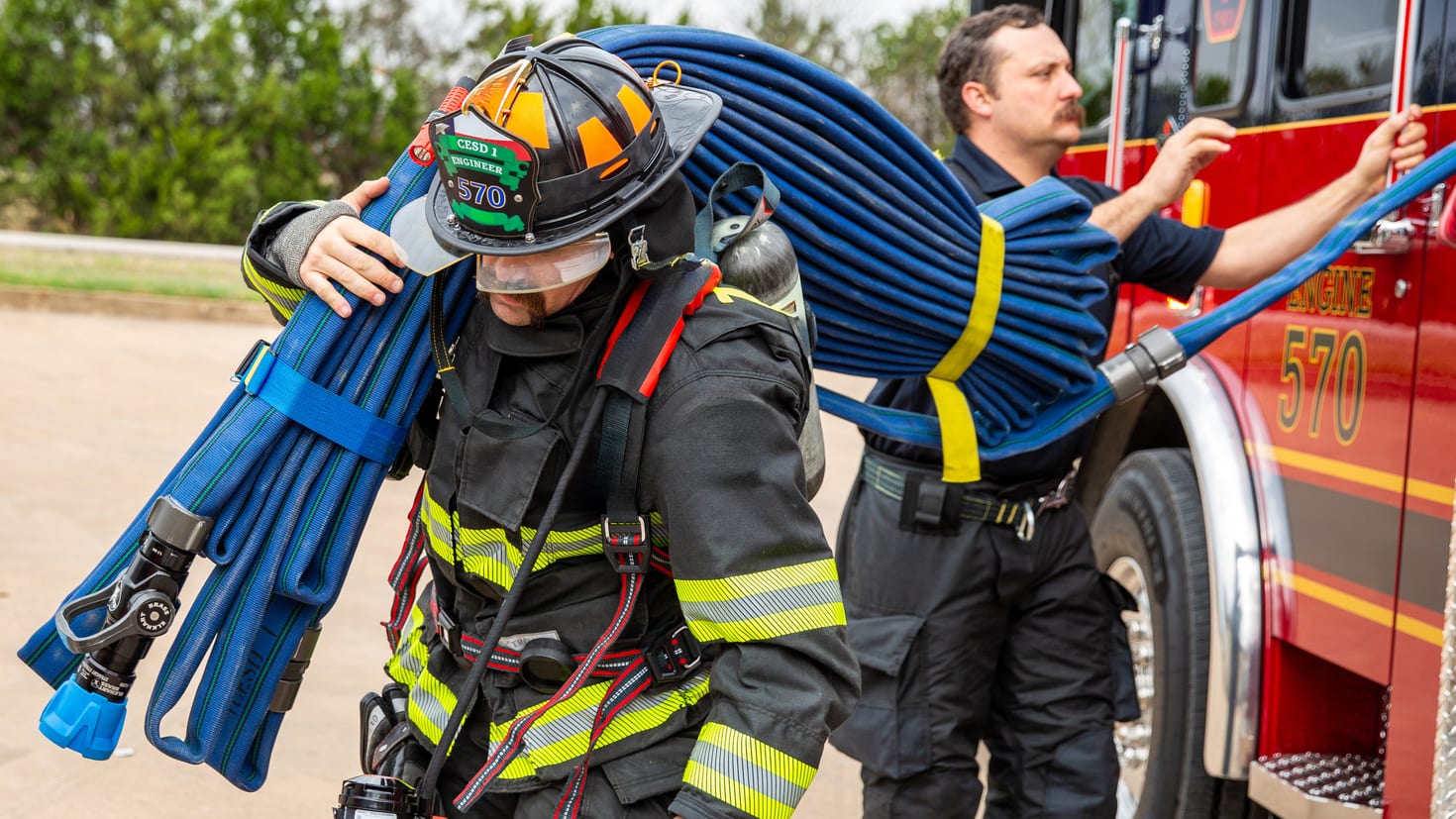
The Firefighter Tactical Fitness Assessment measures firefighter-specific work capacity using firefighter movement patterns, scalable loading, and a “For Time” protocol designed around the work period of one SCBA air bottle

Recruit academy fitness programming requires more than random workouts.
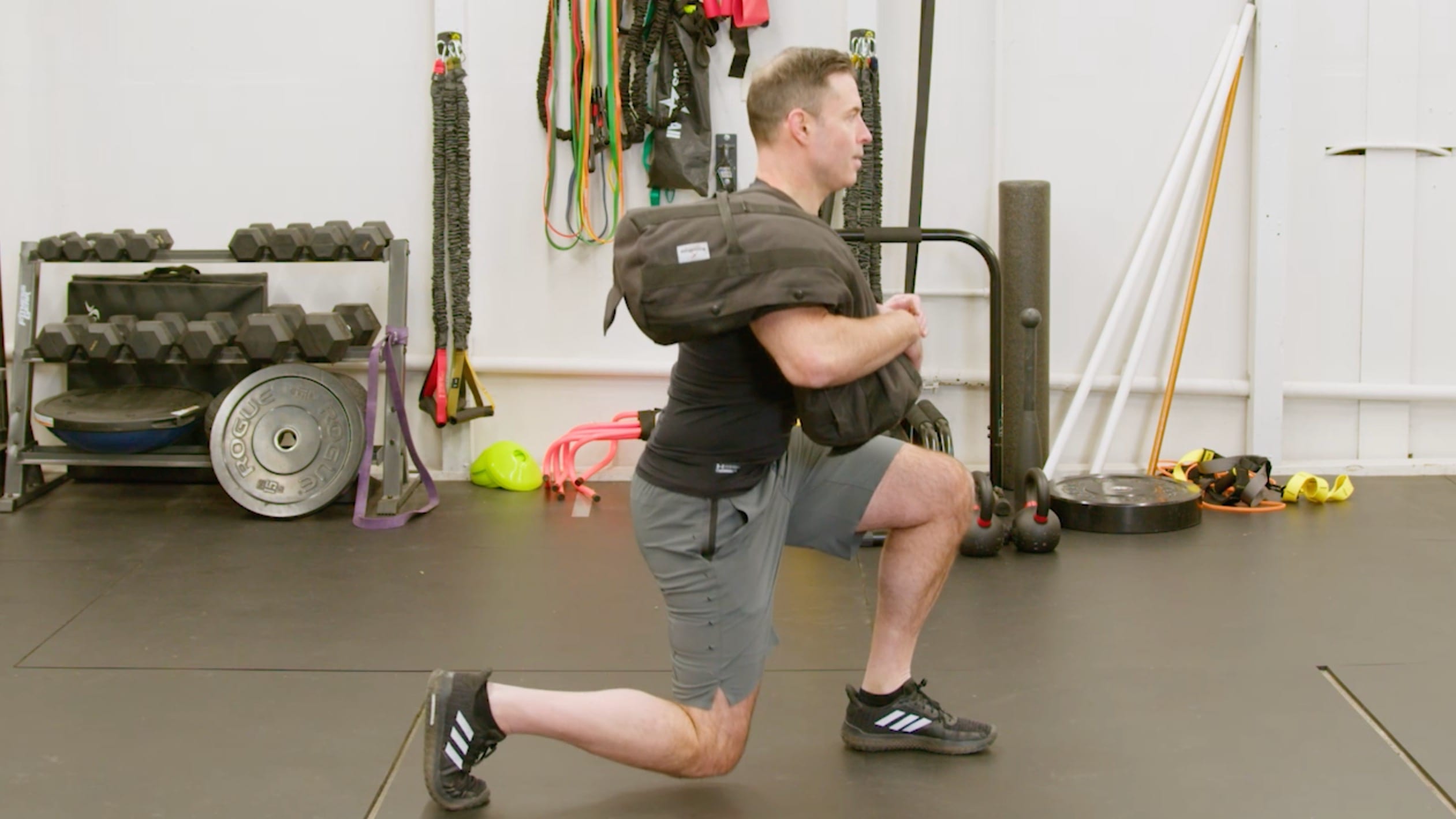
Build strength, power, coordination, and work capacity with this firefighter workout that carries over to the fireground.

This kettlebell workout uses a 20/10 interval protocol to develop explosive power, strength endurance, and repeatable work capacity.

The week aims to help firefighters build the strength, resilience, and healthy habits needed to serve safely throughout their careers.
Why you’re not the same firefighter at 3 a.m.

When you’re called into action, preparation and adaptation show up in how you perform on scene. This is what it means to Be Response Ready.

Build strength, power, and work capacity with this 20-minute AMRAP firefighter workout that carries over to the fireground.

A simple, repeatable system to improve movement quality, reduce injury risk, and build strength that transfers directly to fireground performance.

Firefighter-specific med ball workout to build explosive power, coordination, and repeatable effort under fatigue for fireground tasks.

Clear expectations is one of the most powerful tools a leader has for building trust, accountability, and high-performing teams.

A structured approach to training develops the capacity to perform with confidence when it matters most.

How the fire service carries its history, losses, and leadership lessons into every room we enter.
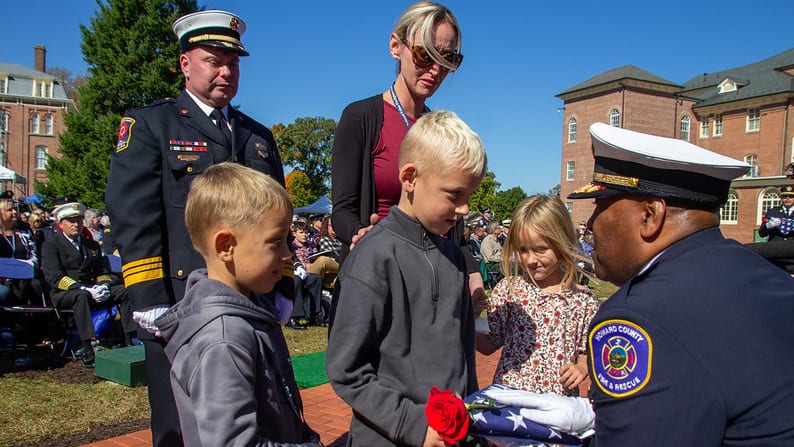
The NFFF expands its mission by empowering firefighters to learn, lead, and reduce preventable tragedies.
Mental maydays can lead to terrible outcomes on the fireground; we can train to prevent them and respond to them.