Loading…

All · Career & Leadership · Culture · Dispatch · Finance · Fire Service Culture · Fitness · Health · Health & Wellness · Leadership · Lifestyle · Mental Health · Nutrition · Relationships · Spotlight · Stress · Wellness

Applying exercise science to workout plans will improve your body’s fireground performance and endurance
Where do you stand?
Somewhere around the second bottle, the fire starts collecting its payment.
The hidden struggle behind high-functioning burnout.
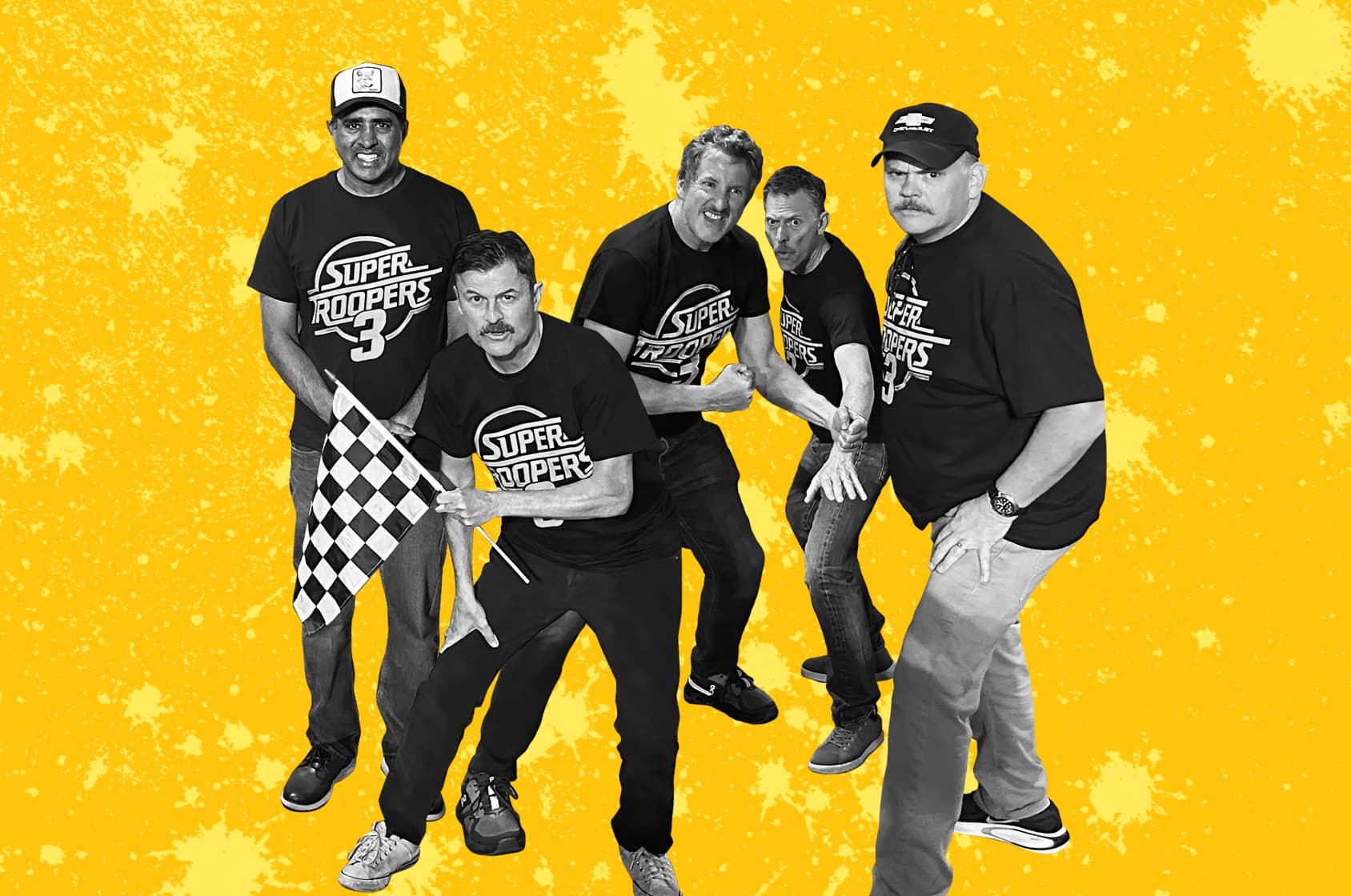
All firefighters are comedians... at least to some extent.
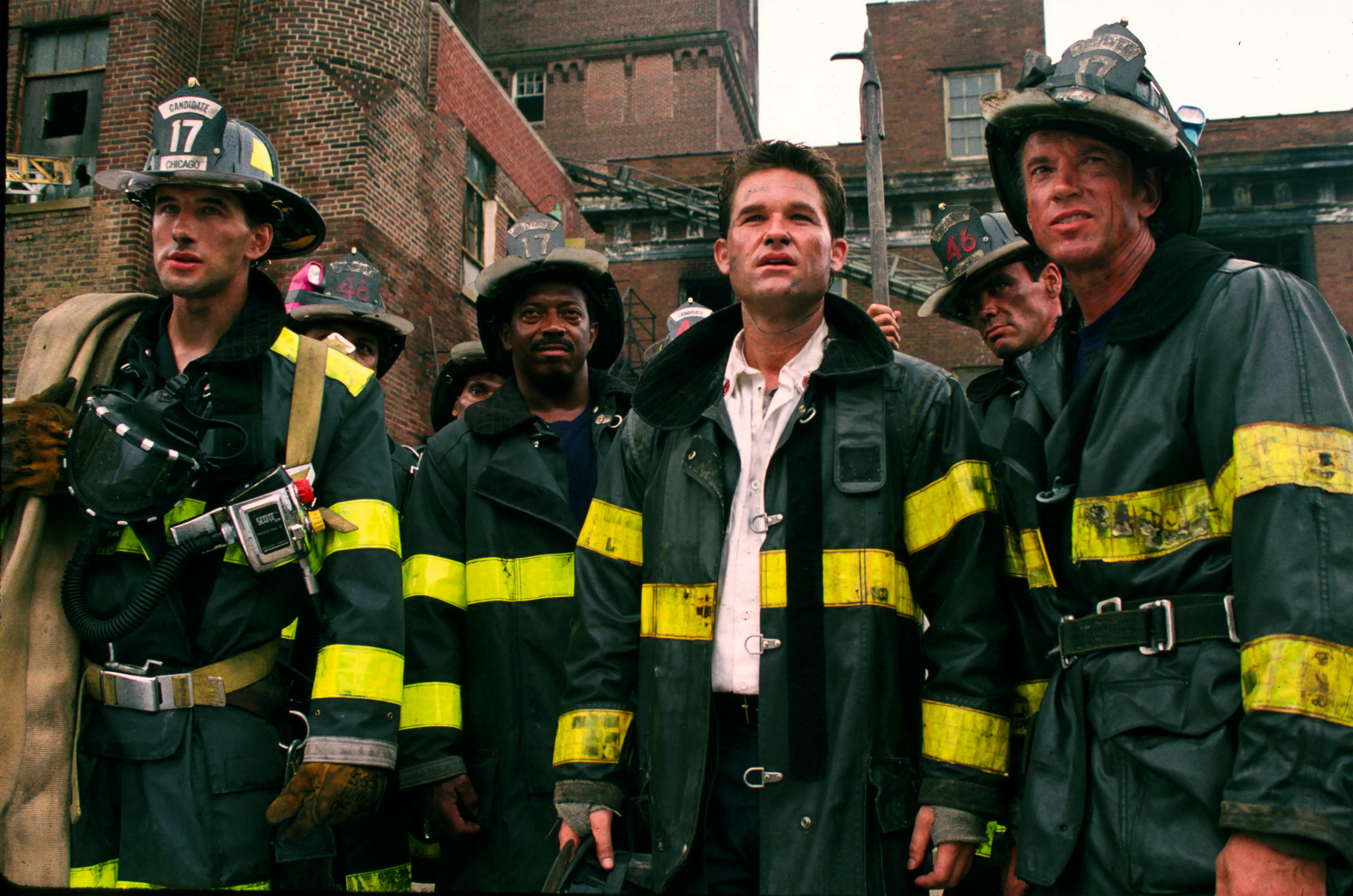
The film that became tradition – 35 years iconic.

Firefighter wellness may be missing the mark when it treats mental health support as a resource for those who are struggling, rather than an essential part of operational performance, leadership and everyday firehouse culture
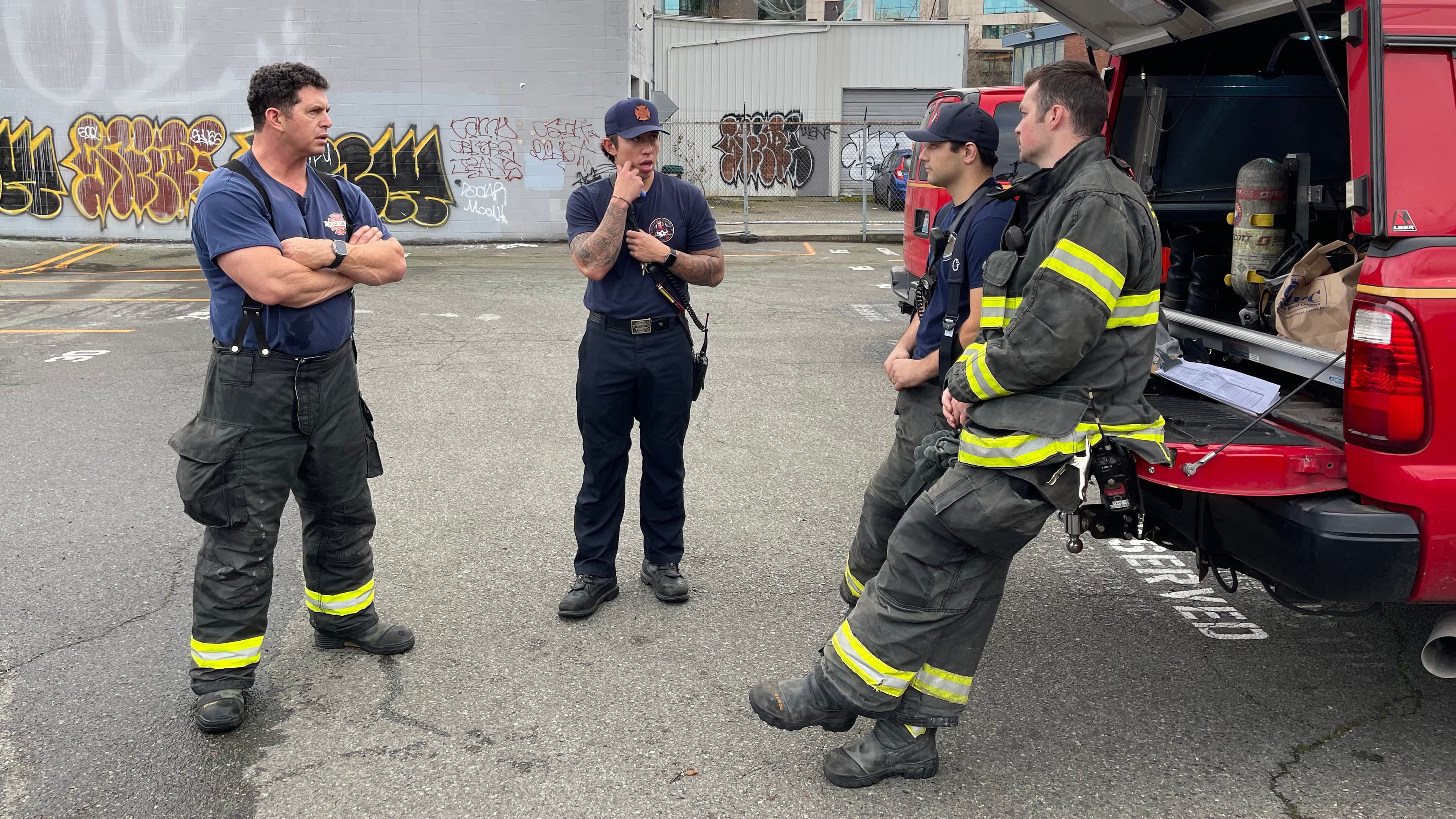
Strong communication builds trust, advances careers, and supports firefighter well-being on and off duty
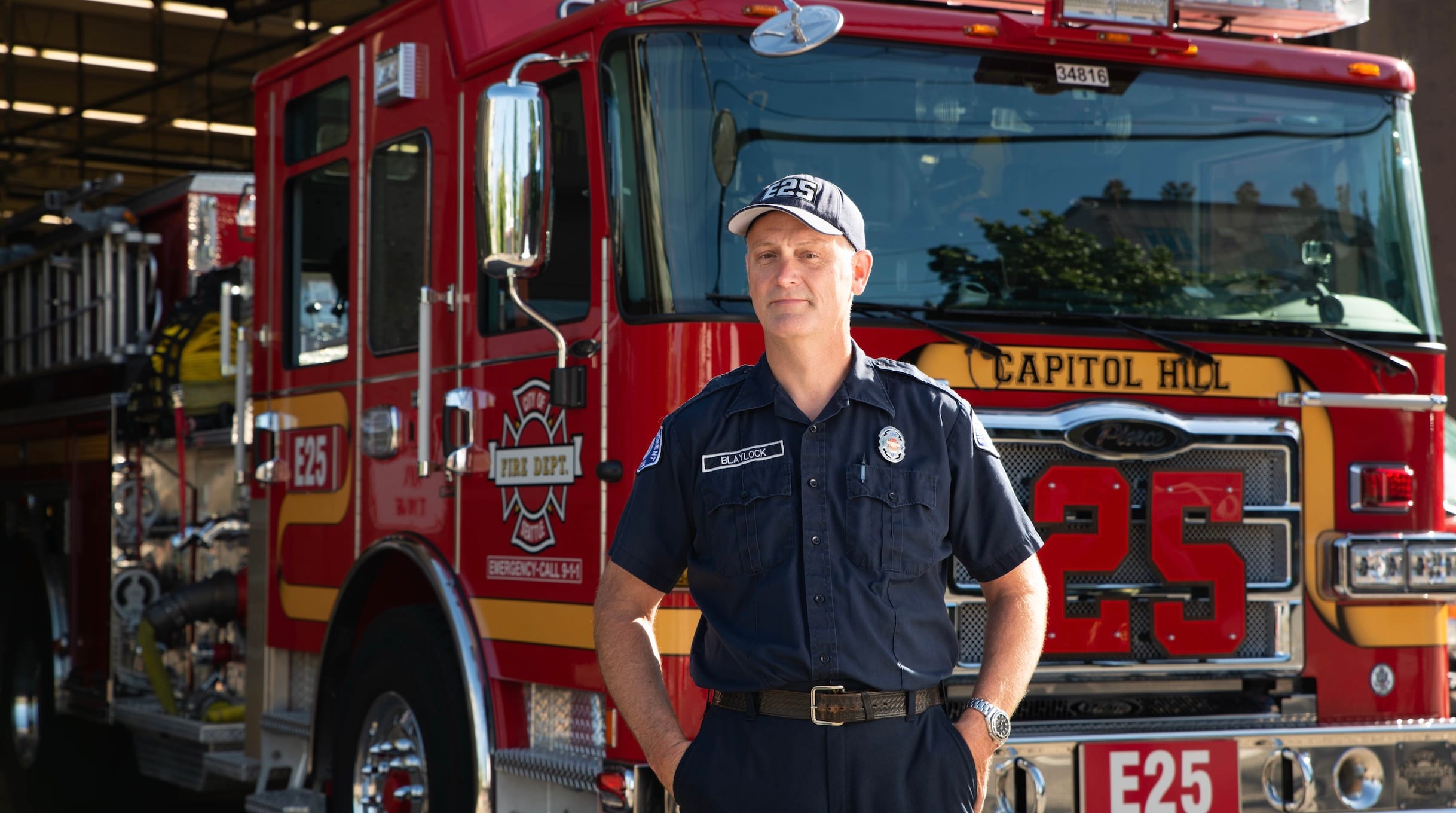
The promotion is immediate. Figuring out what changes between you and the crew takes longer
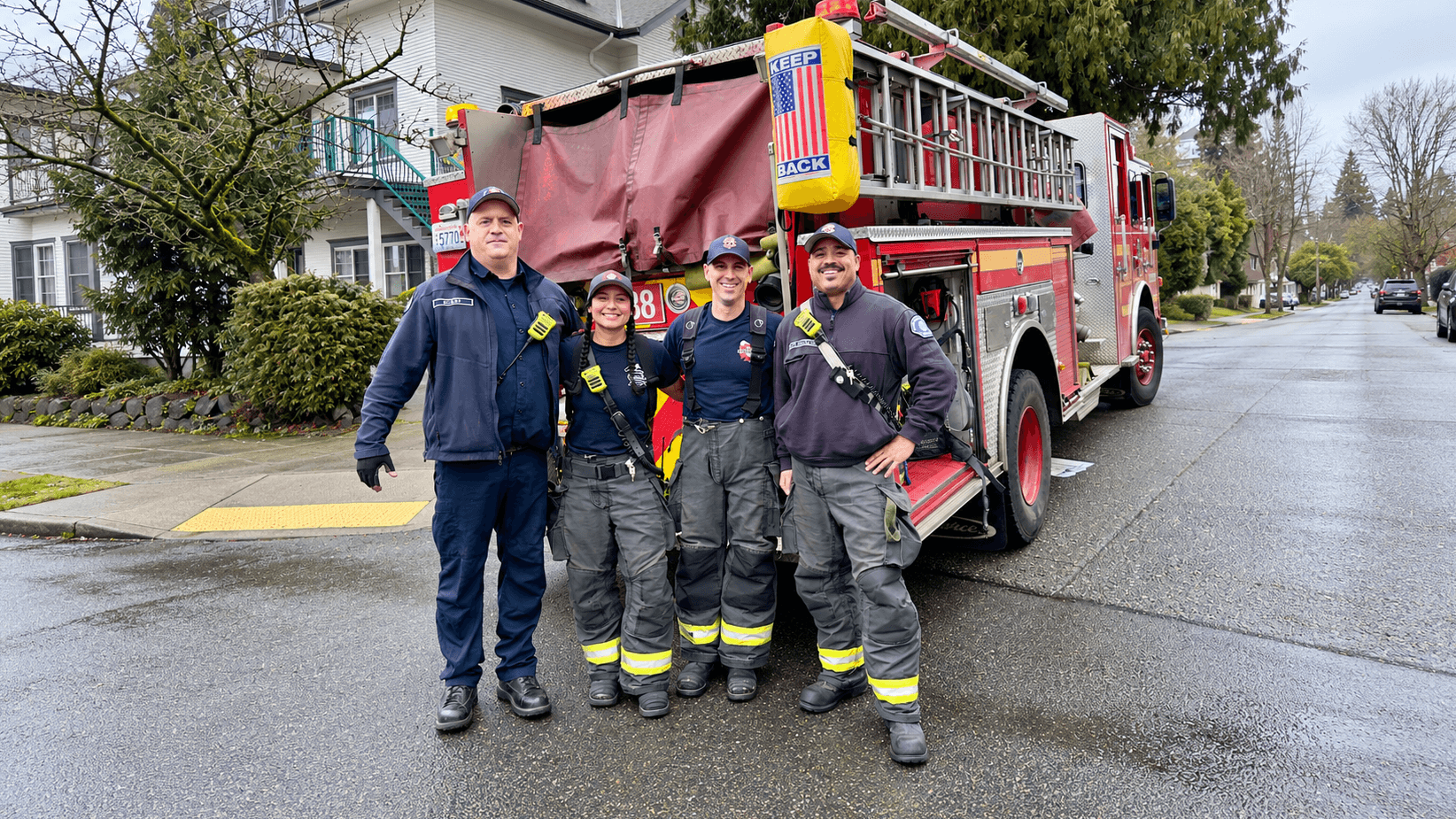
Firefighters who give so much to others deserve the same compassion, connection, and grace when they’re the ones struggling
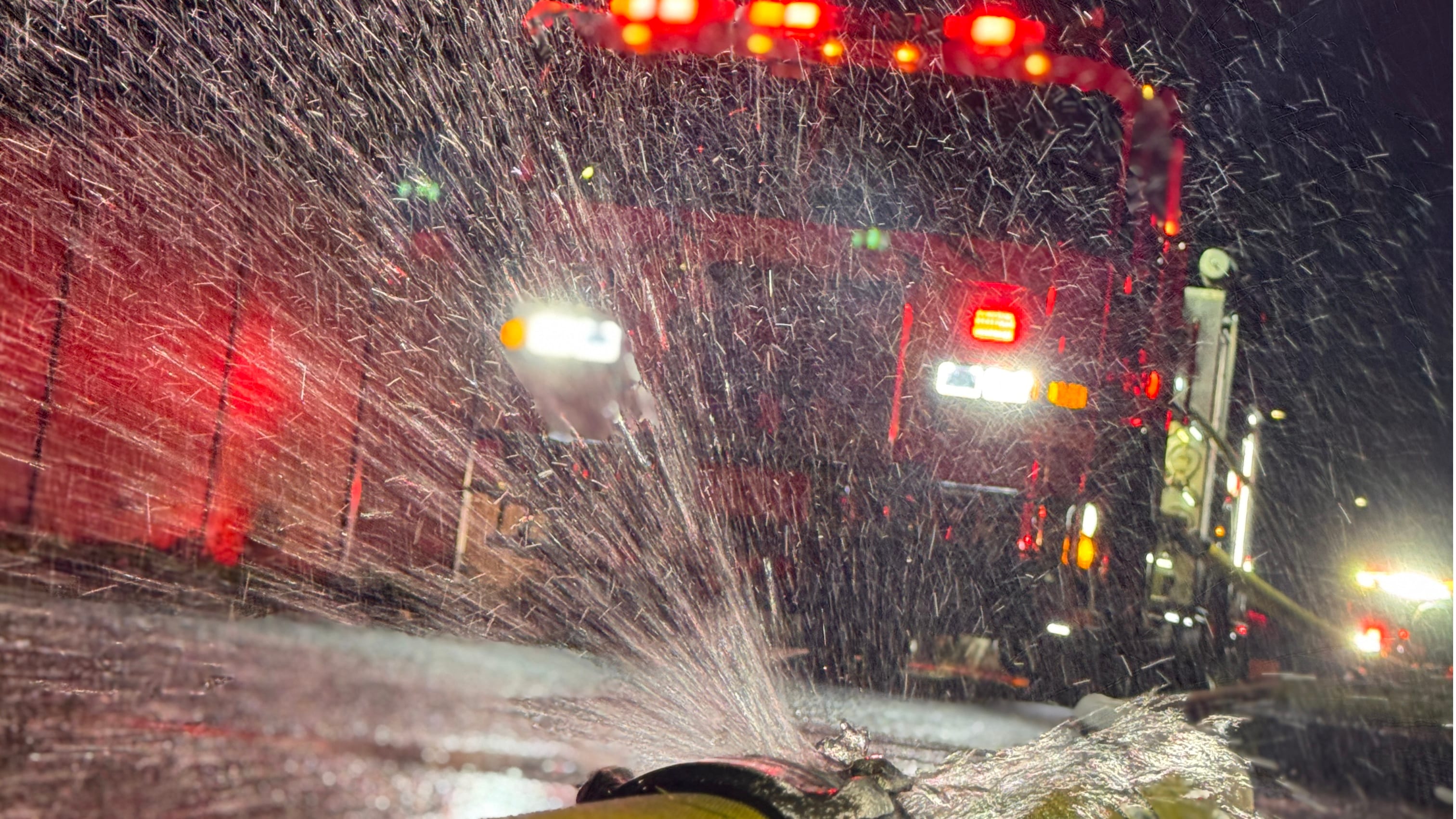
We built a fire service that answers almost everything. Now we need to make sure the people answering are ready when everything happens at once

A monthly column from the Health & Safety Leadership Alliance in partnership with CRACKYL

Understanding the limits of trust can help us build stronger support systems and navigate grief with greater honesty, discernment, and care
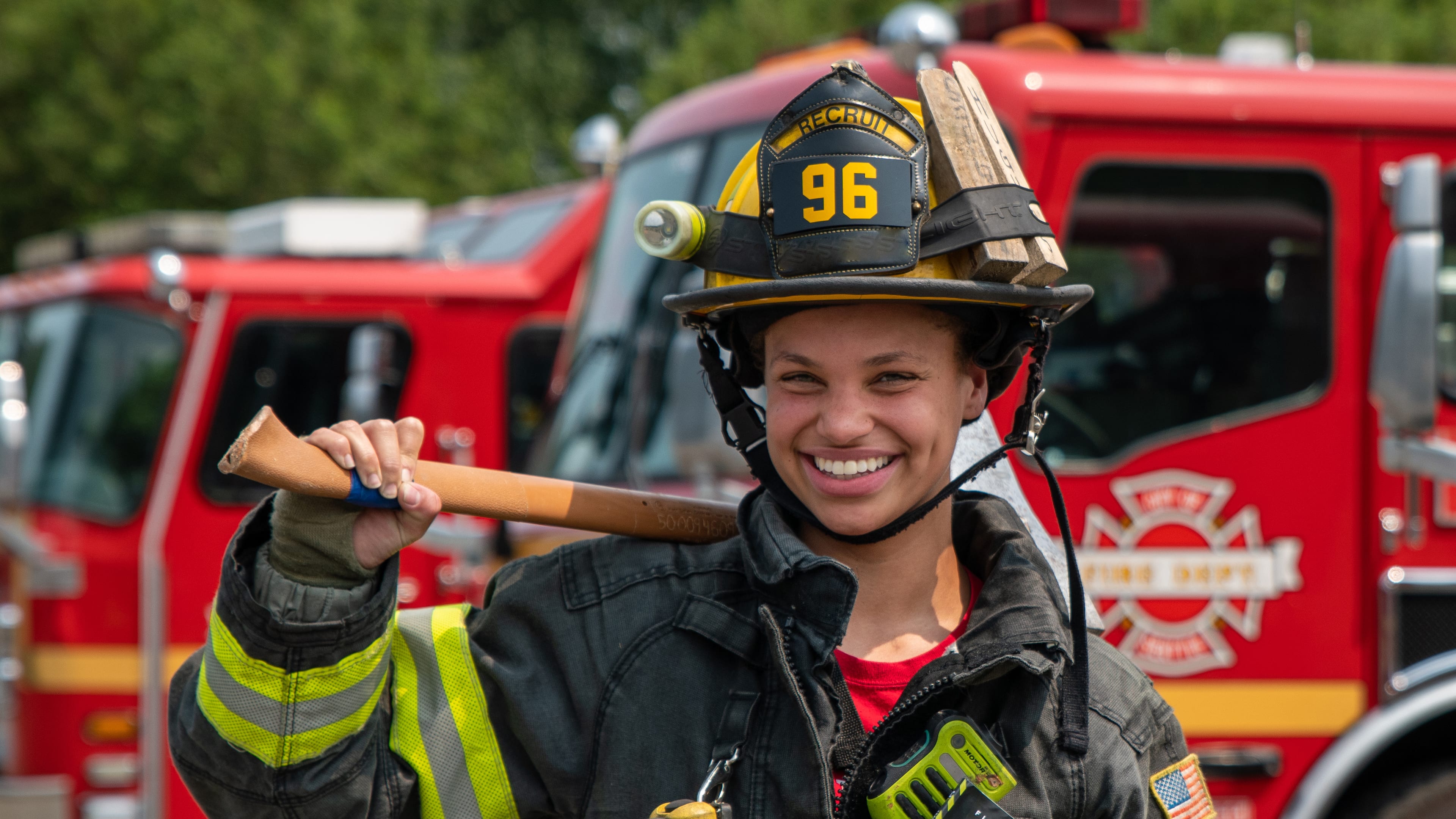
Retaining women in the fire service means investing in their growth, leadership and long-term careers
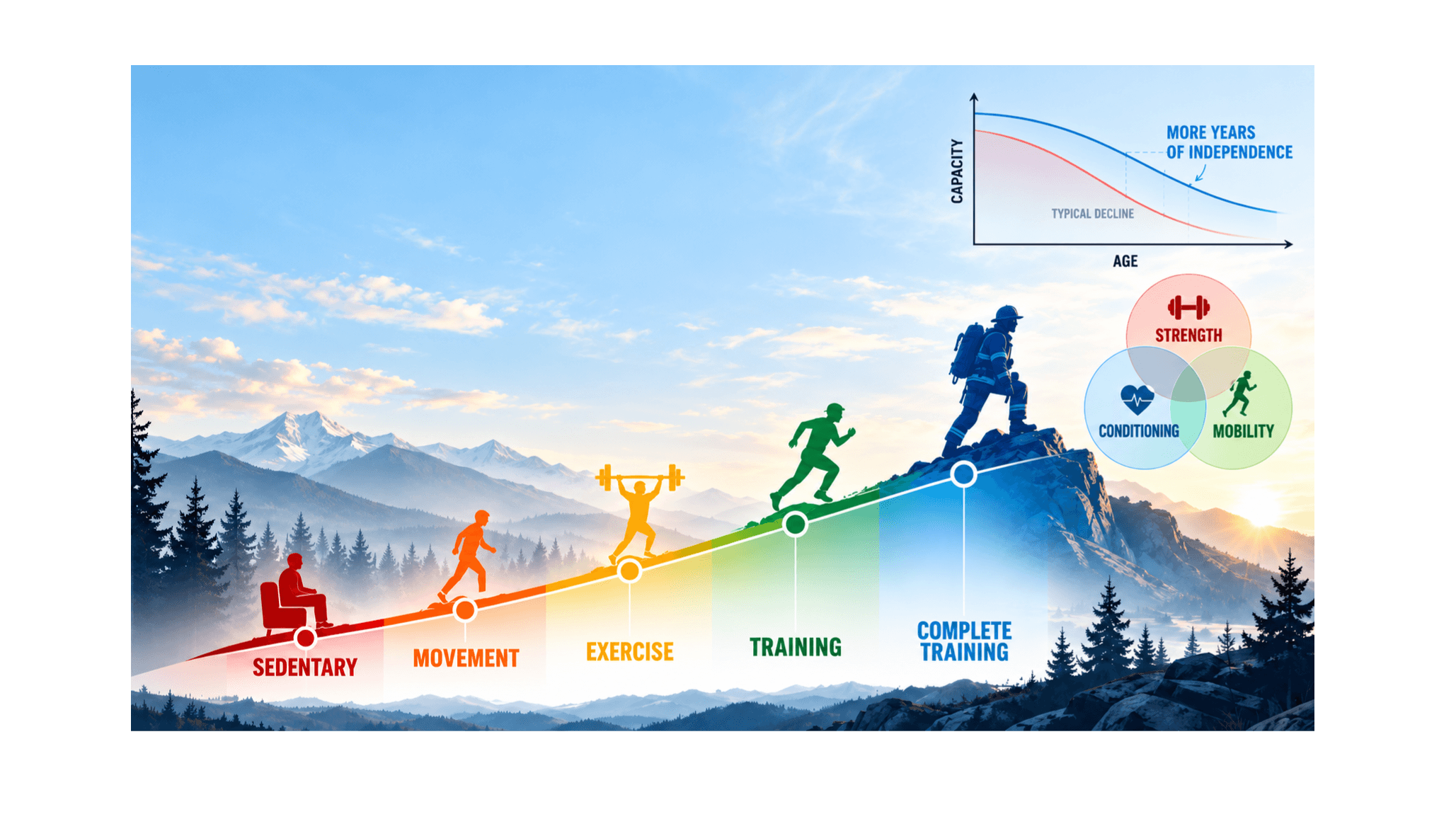
Ben Bergeron sees fitness as a spectrum that runs from sedentary to formidable

How PTSD changed our marriage and our lives before either of us knew what was happening

How high-phenolic nutrition and Blue Zone habits extend your career
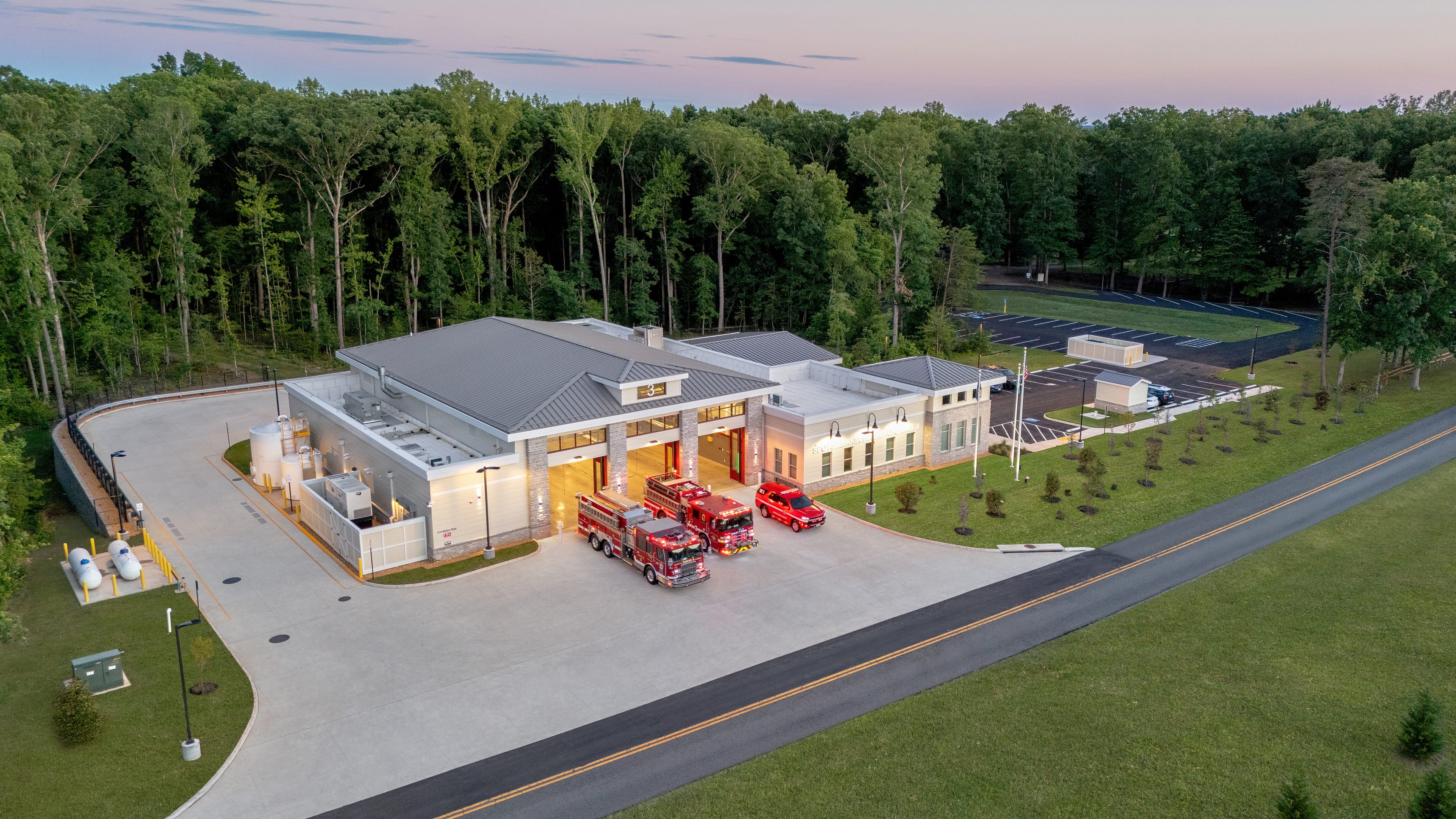
Prototype fire station design delivers long-term cost, planning and operational efficiencies while adapting to the unique needs of each site
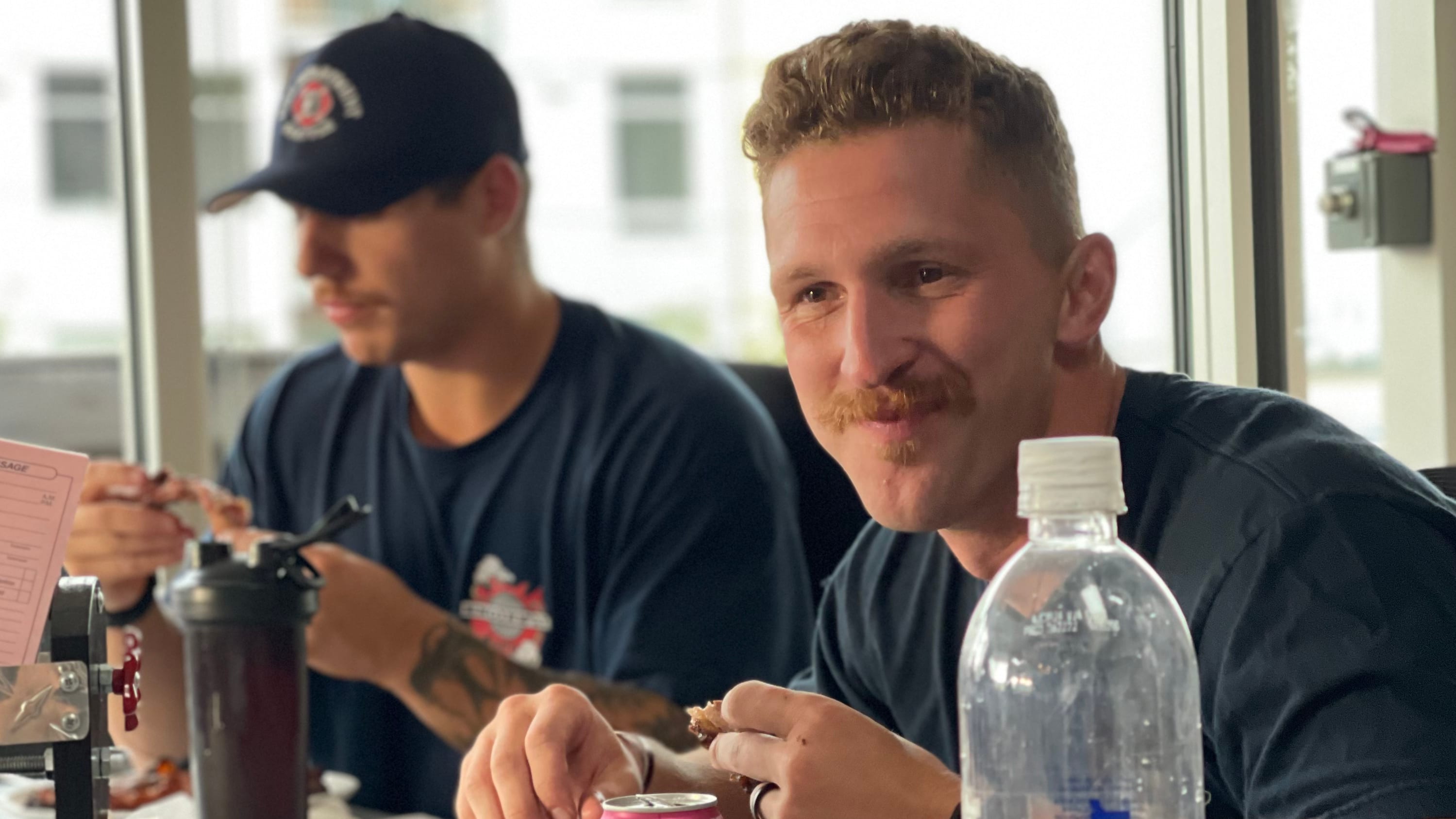
Workplaces shape the first responders who inhabit them, influencing how they see themselves, their communities, and the world around them
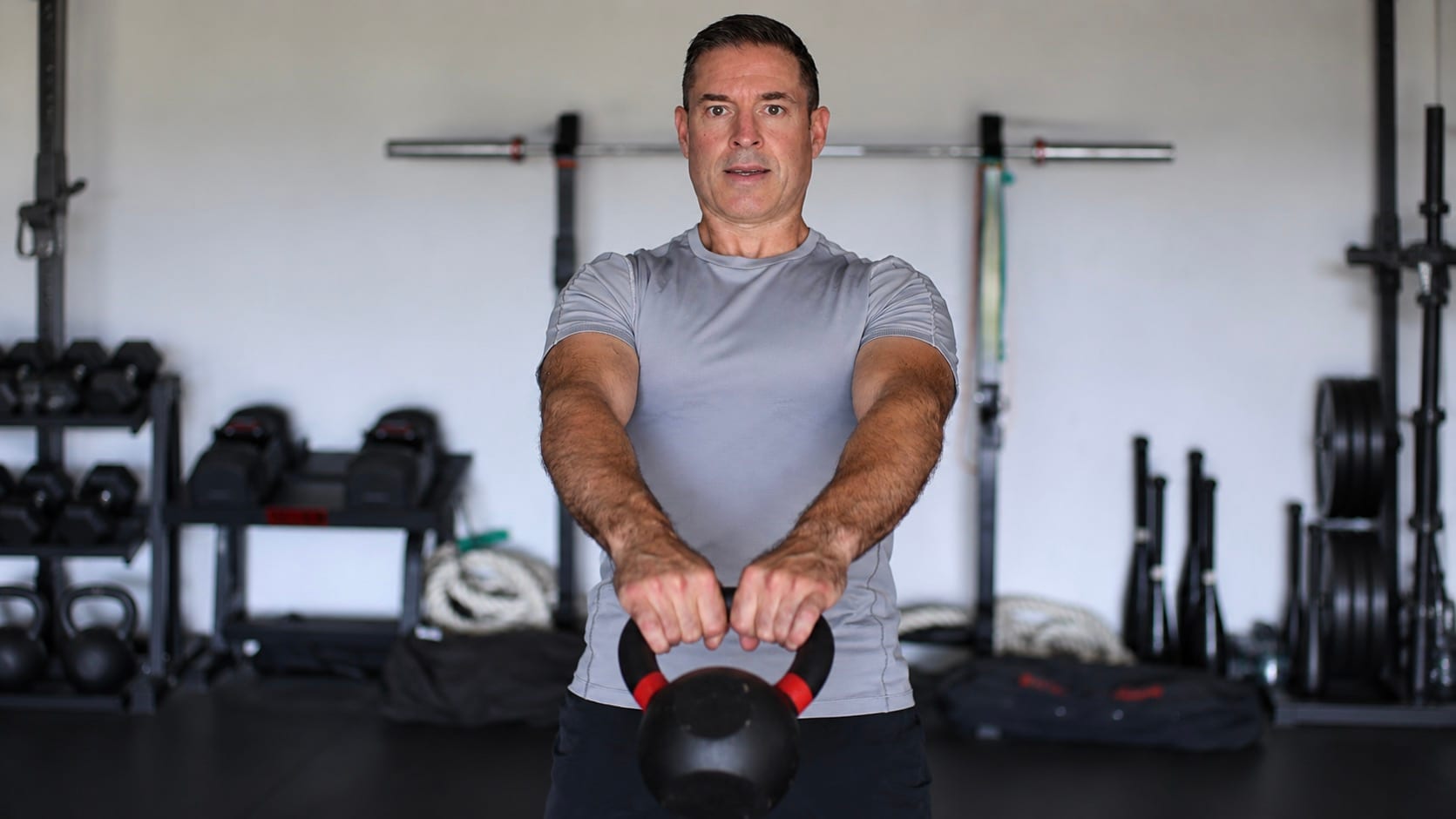
Varied-intensity interval training provides a practical approach to developing multiple physical capacities around the realities of firefighting and shift work
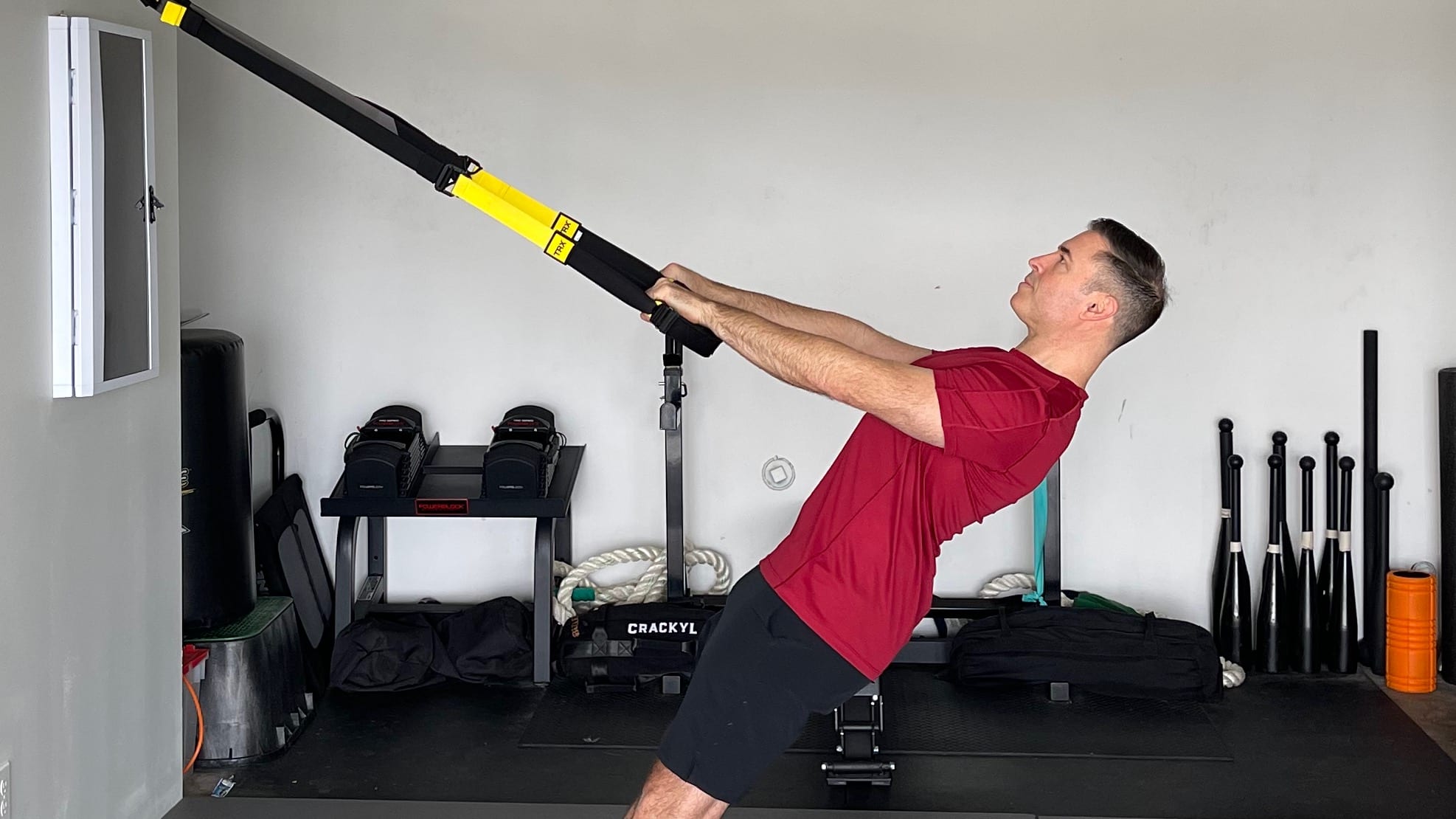
This firefighter-specific TRX workout uses a For Time training protocol to develop muscular endurance, strength, movement quality, and work capacity
“Trauma creates change you don’t choose. Healing is about creating change you do choose.” – Michele Rosenthal
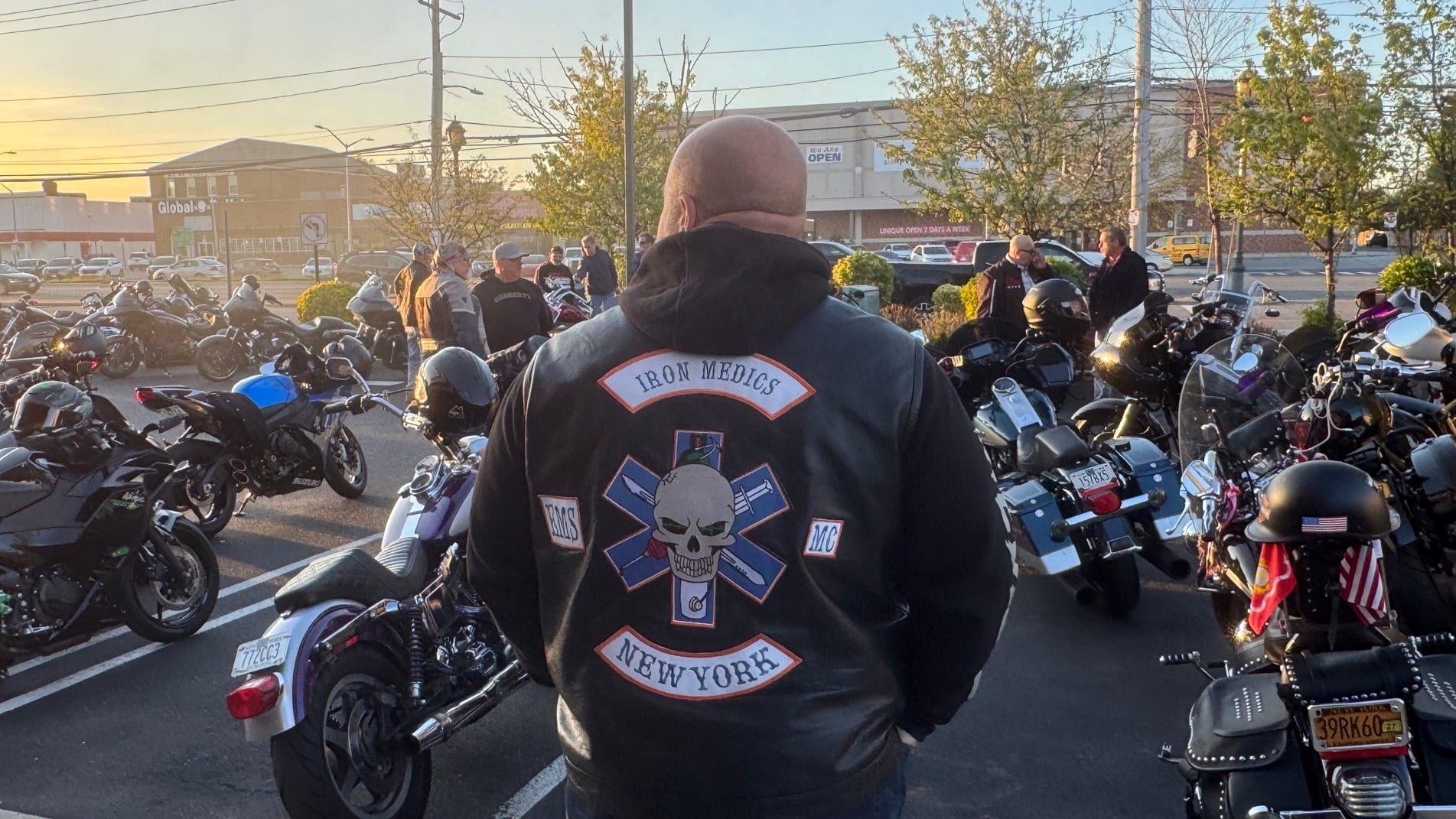
The Iron Medics Motorcycle Club brings resilience to Suffolk County
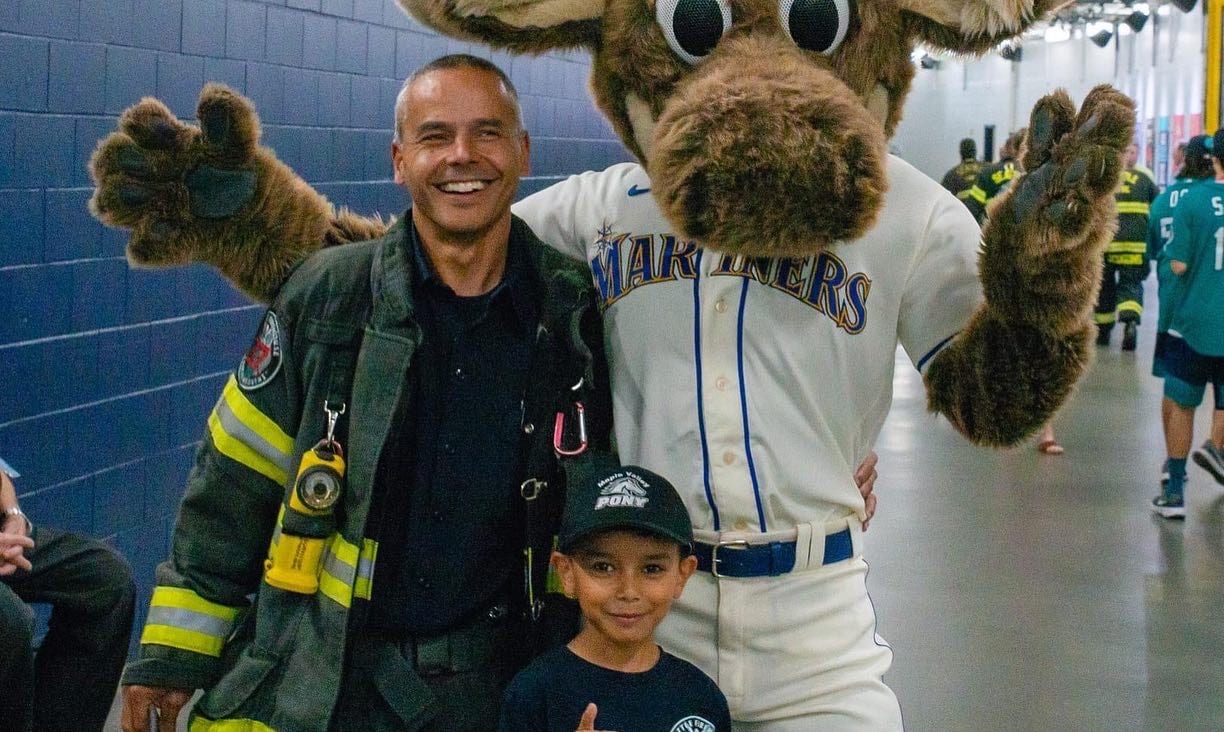
Research shows that shared experiences can support first responder well-being, while organizations are creating opportunities for these connections