Loading…

All · Career & Leadership · Culture · Dispatch · Finance · Fire Service Culture · Fitness · Health · Health & Wellness · Leadership · Lifestyle · Mental Health · Nutrition · Relationships · Spotlight · Stress · Wellness
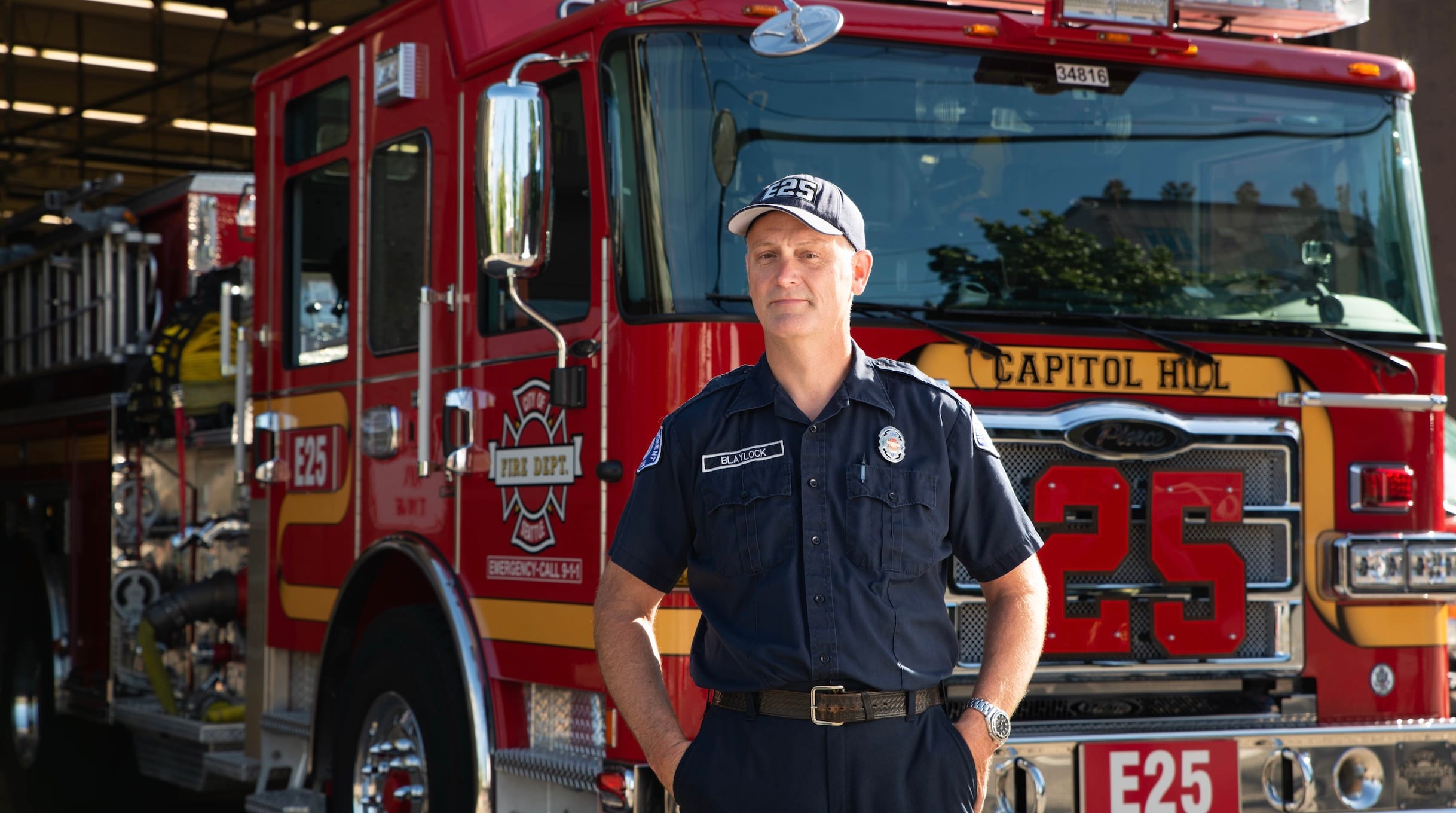
The promotion is immediate. Figuring out what changes between you and the crew takes longer
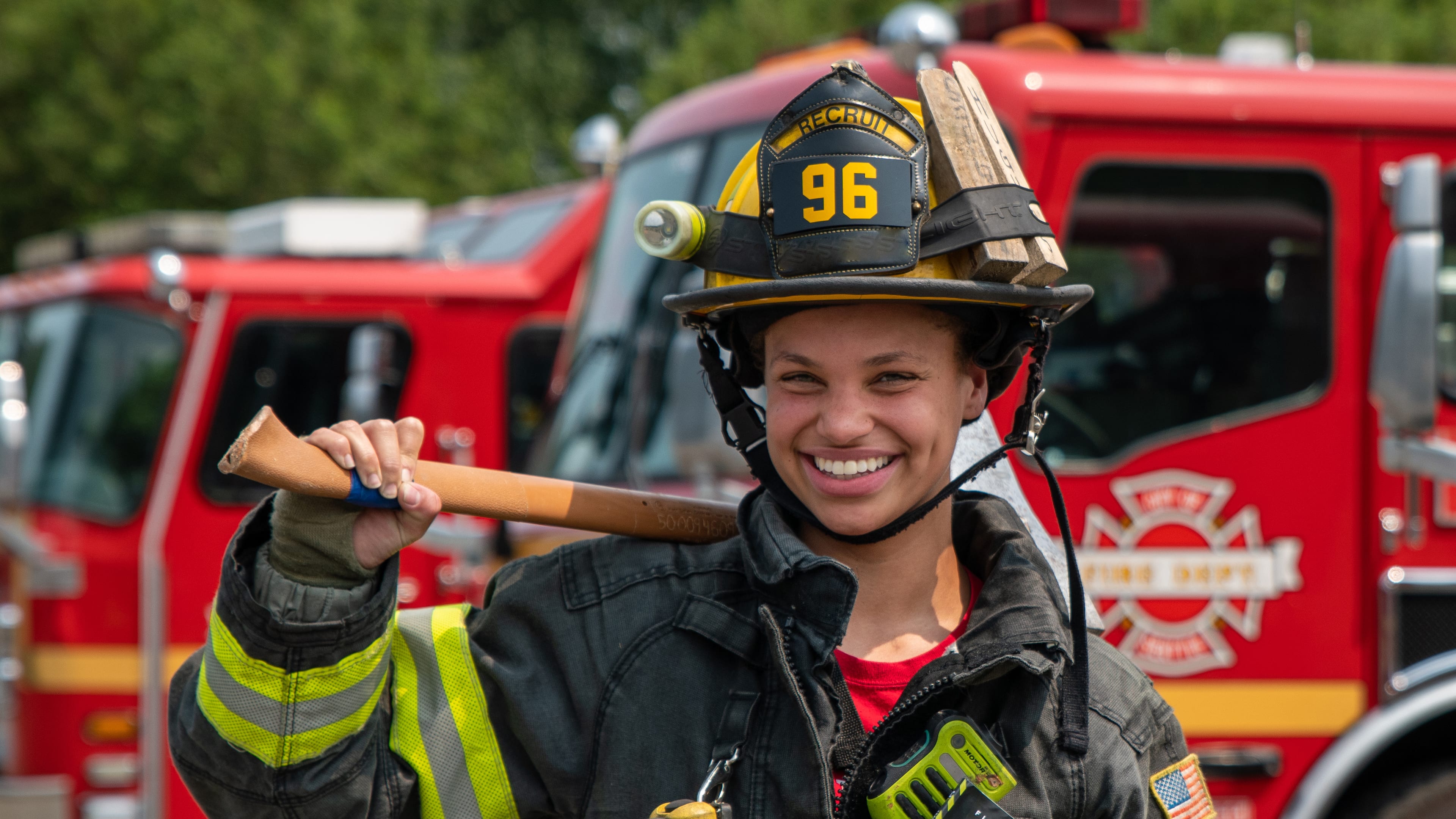
Retaining women in the fire service means investing in their growth, leadership and long-term careers
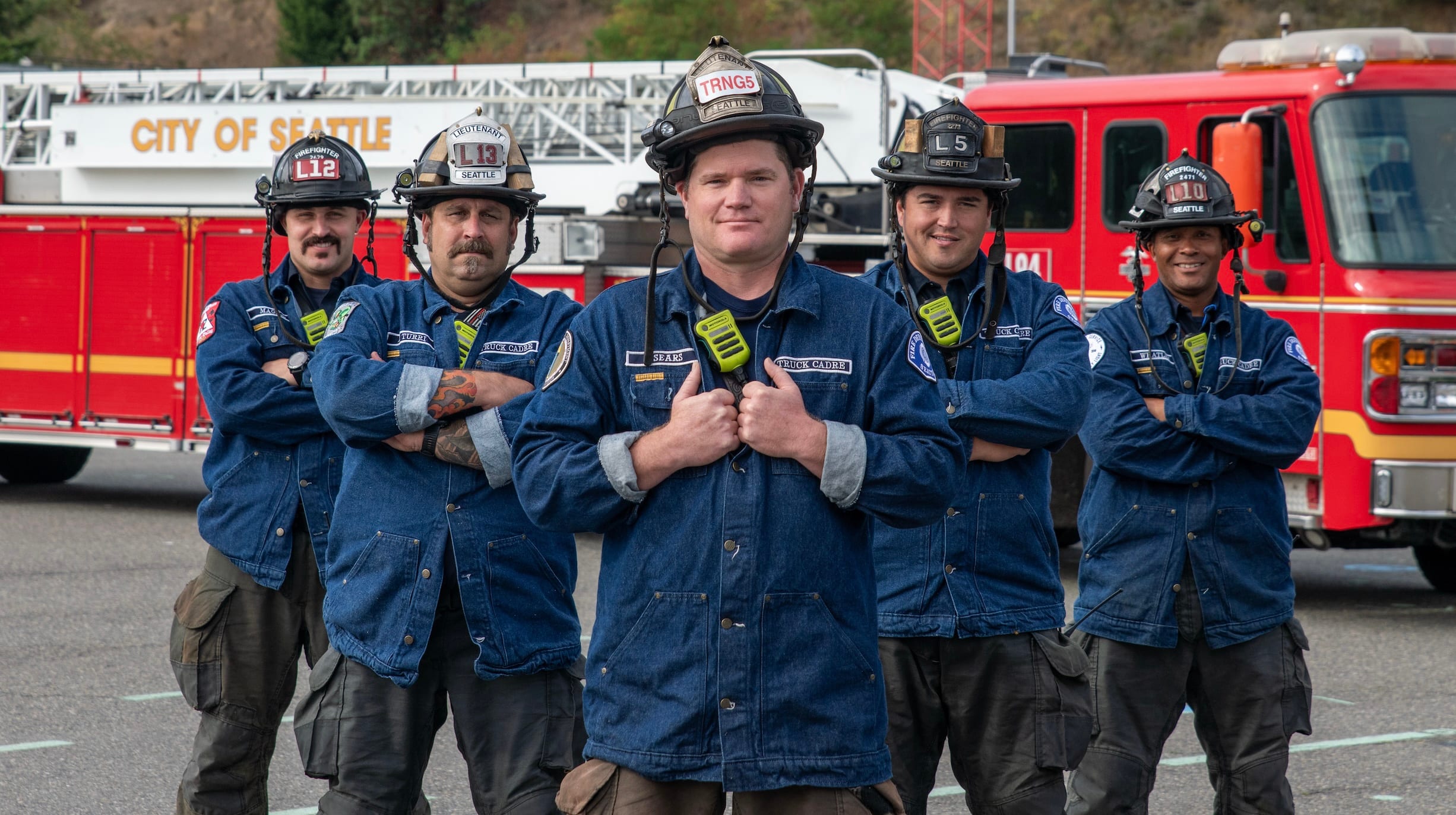
Sports offers us lessons on rebuilding teams, rethinking strategy, and finding overlooked talent in the fire service

We spend a lot of time looking at what’s happening to us and far less at who we have around us when it happens
Clear behavioral health policies — not just programs — are what prepare fire and EMS departments to support their members when it matters most
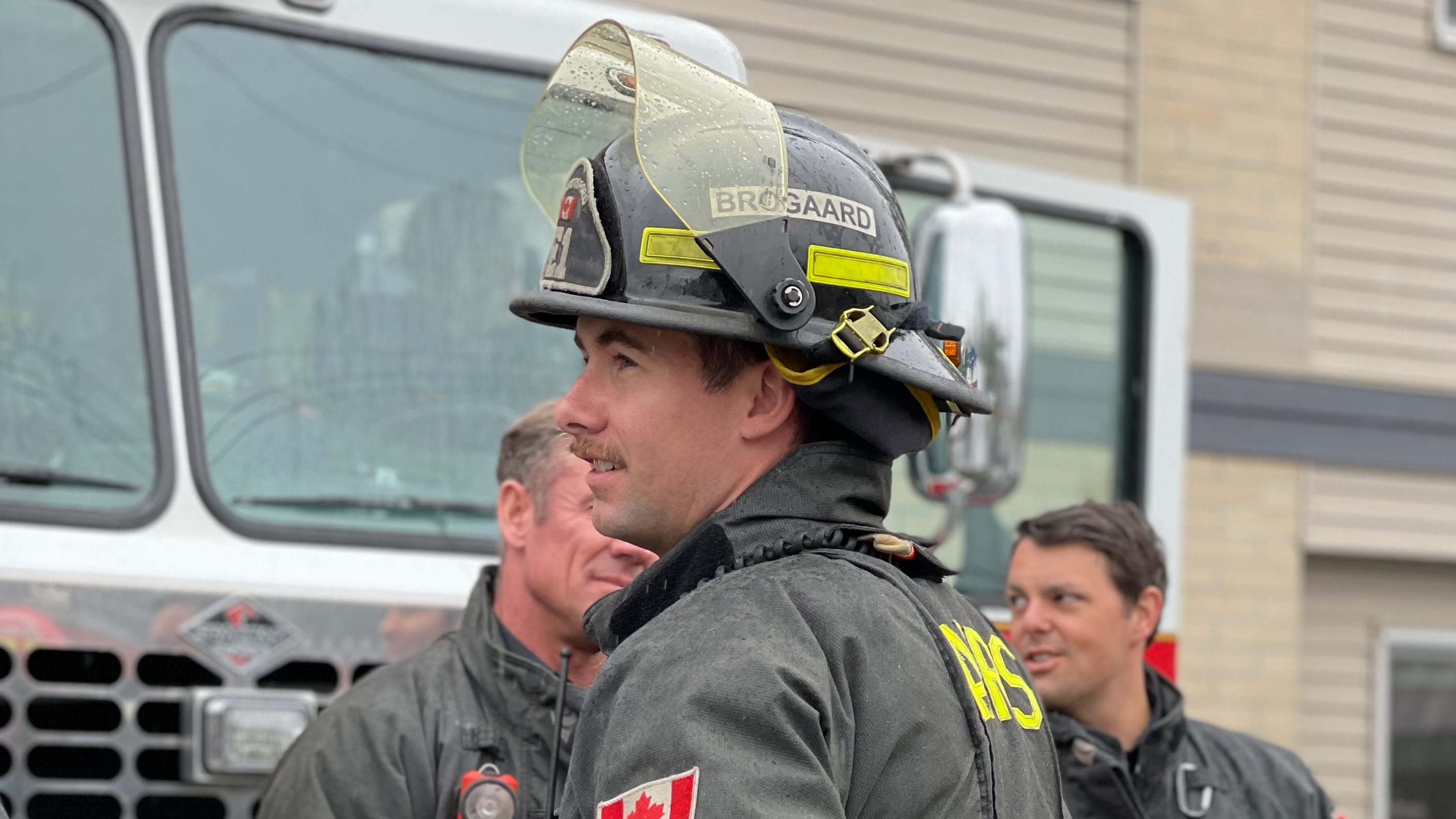
Leadership grows when you learn to see the decisions, people, and consequences beyond your own assignment
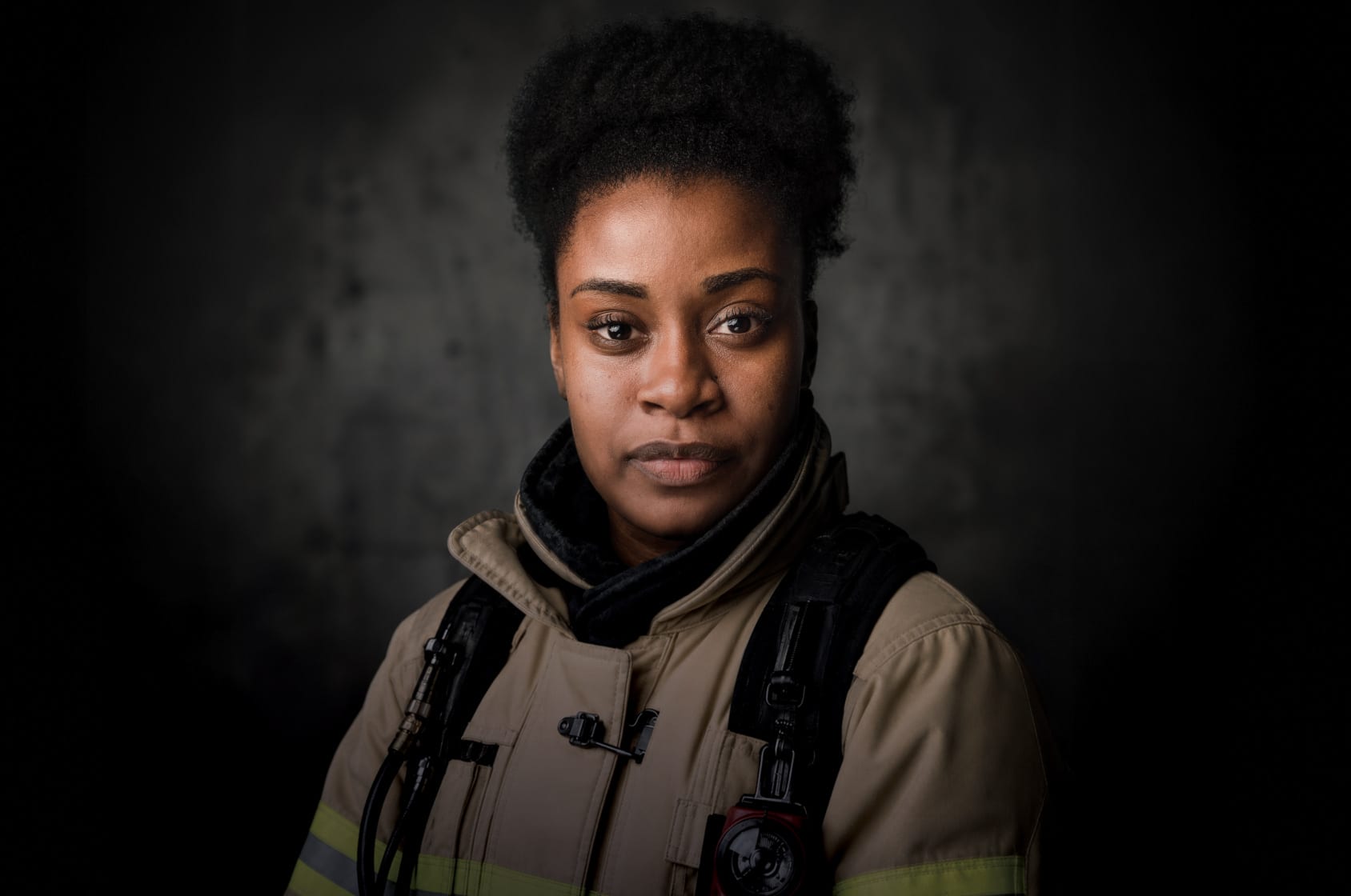
The fire service needs leaders who lead with authenticity. Not with the loudest voice in the room.

A career spanning more than four decades, Ken Willette’s commitment to fire service training and firefighter readiness earns him the inaugural NAFTD Award for Excellence in Fire Training Leadership

The best ideas in the fire service can still fail if firefighters don’t see themselves in the story. Put the firefighter at the center and show them why your offering matters

Burnout shows up in a leader’s decisions, demeanor, and relationships, compromising crew trust and operational effectiveness.
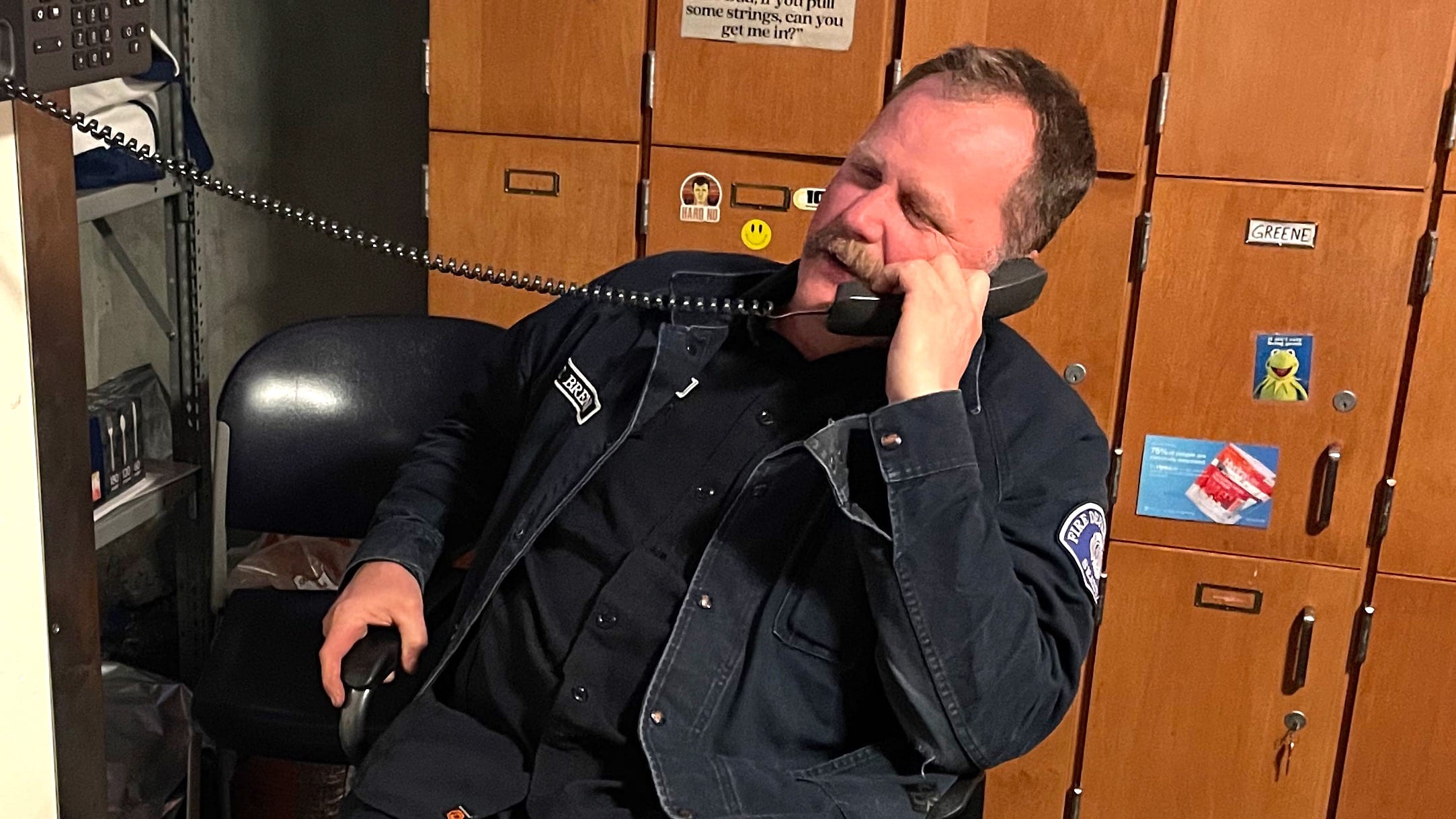
We give our leaders plenty to think about while giving them very little time to actually think.
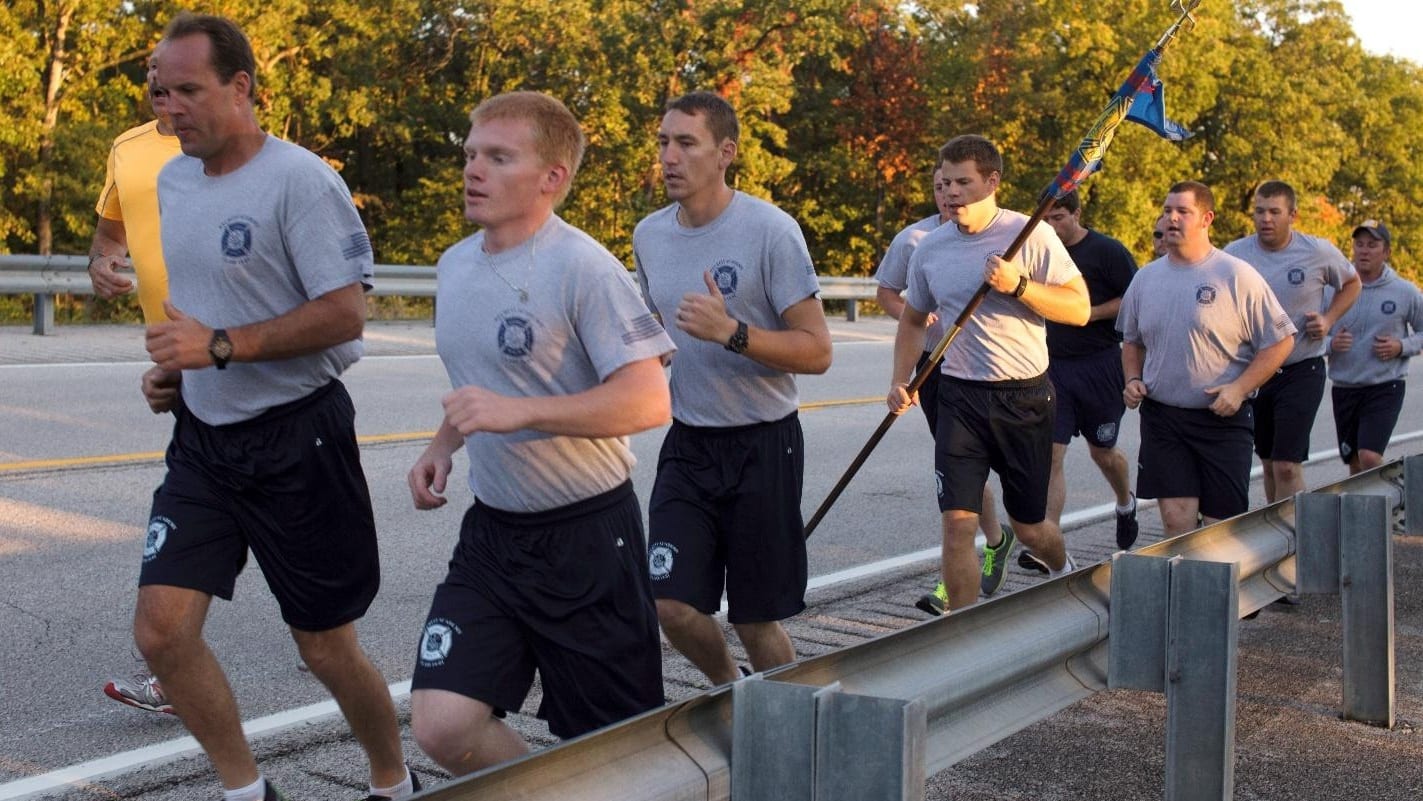
Small fire departments can build a strong, lasting culture through hiring, training, shared experiences, meaningful traditions, and committed leadership.

Leadership is not defined by the authority of the position, but by the ability to create lasting, voluntary change in others.

Softball is more than recreation for firefighters. It builds the trust, teamwork, relationships, and culture that strengthen the firehouse and ultimately make us better on the fireground
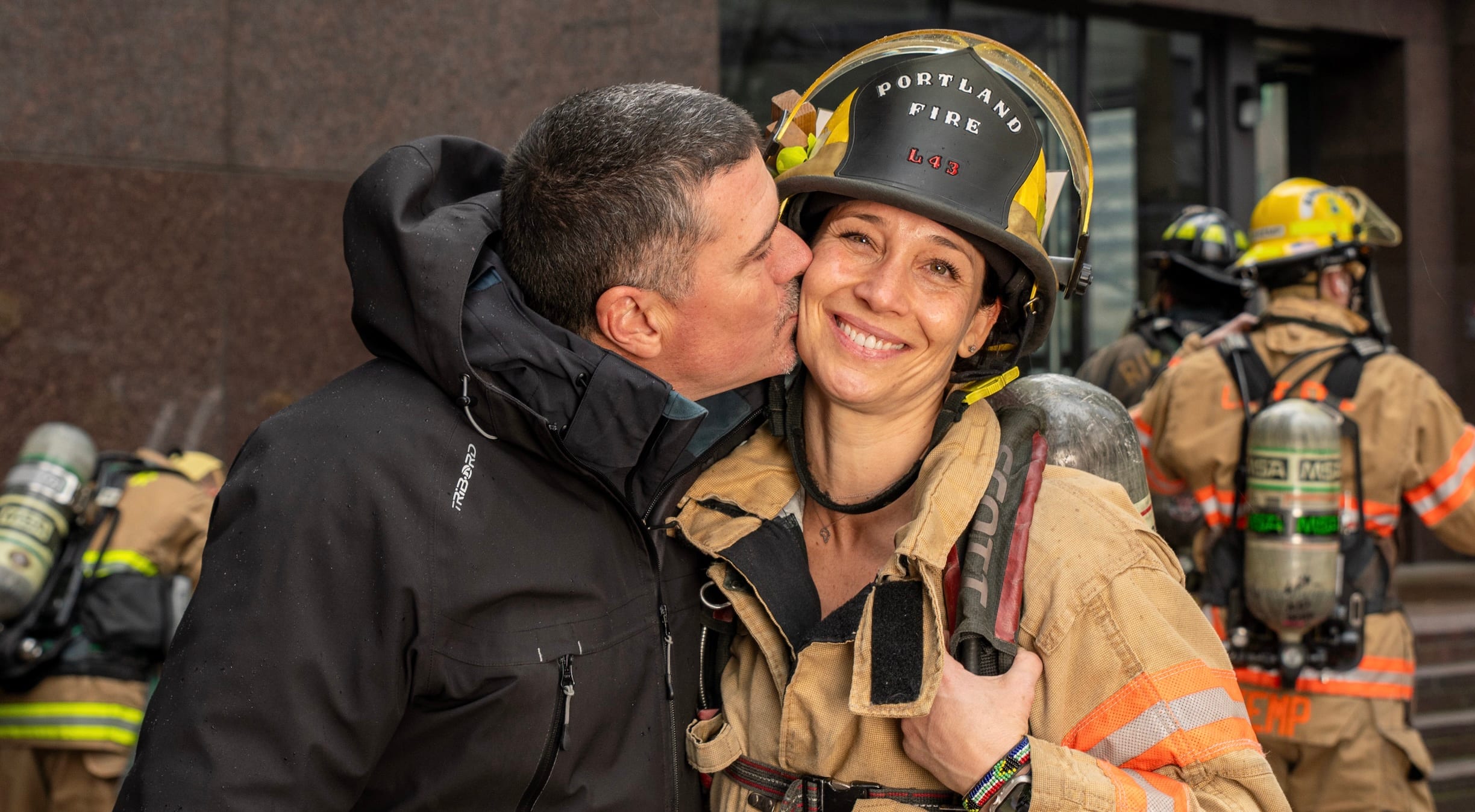
In the fire service and in life, our obligations define what we’re responsible for, but our commitment reveals what we’re willing to make meaningful
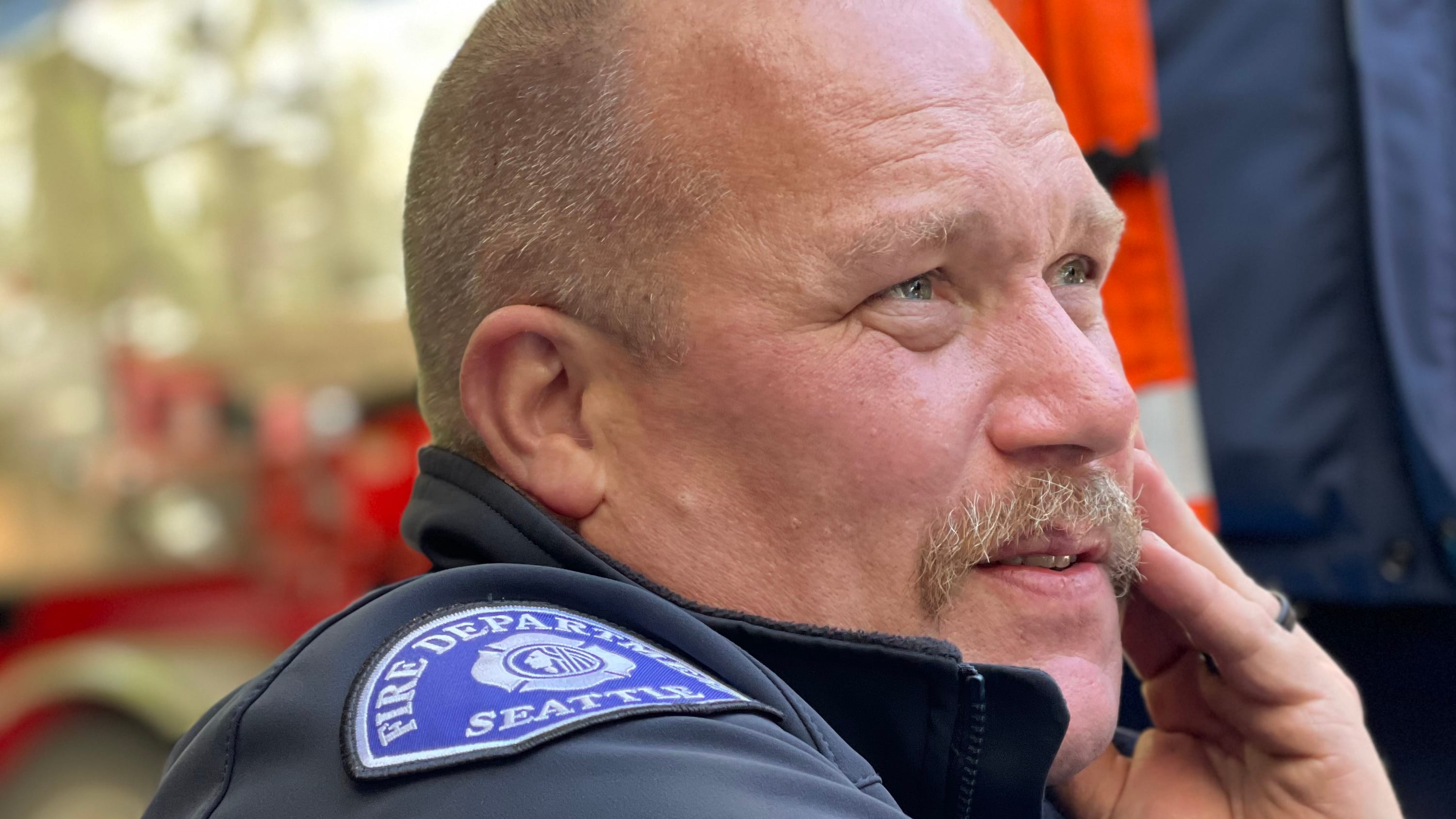
The weight of the patch was never meant to be carried alone, and the organizations that understand that truth will always be stronger because of it.
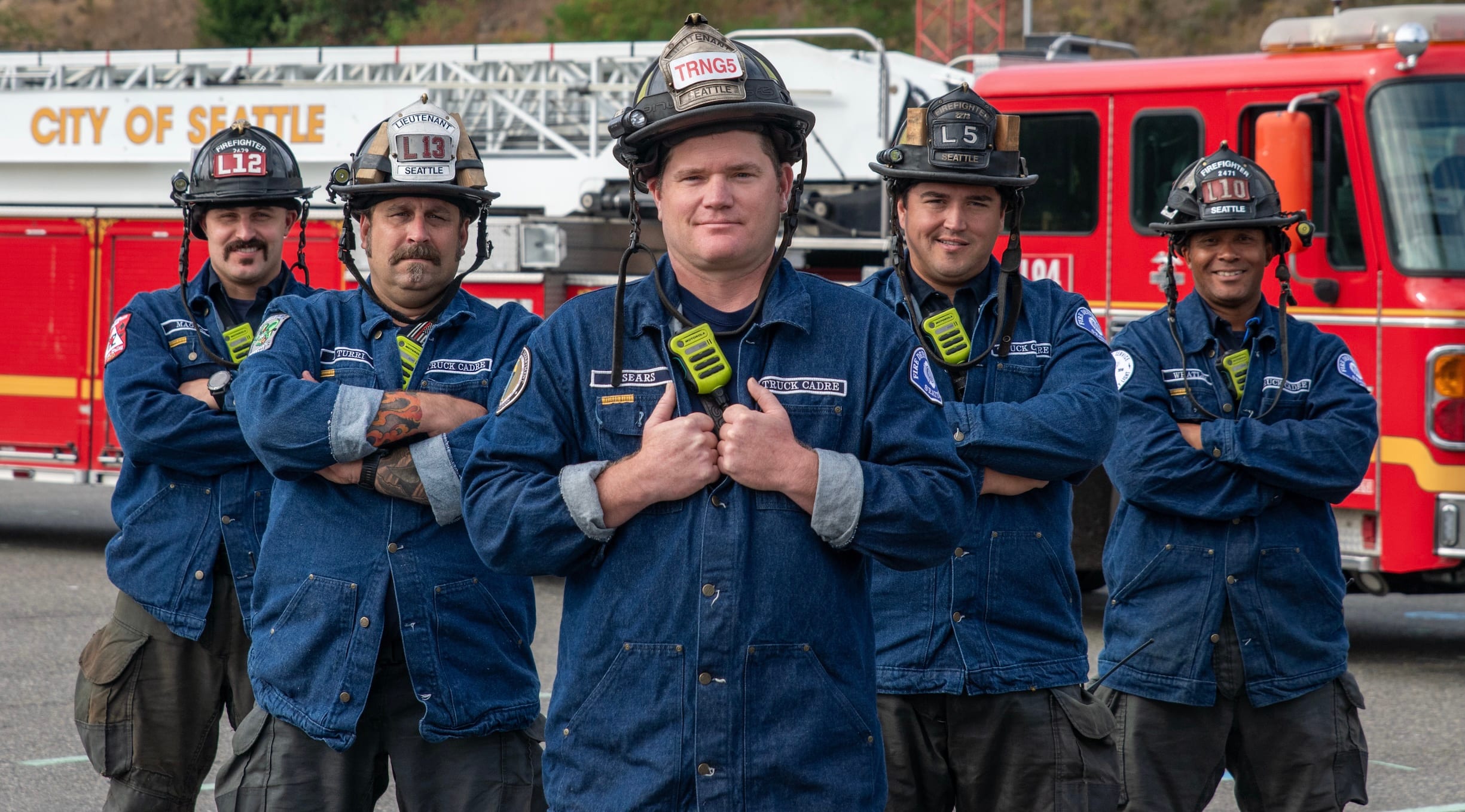
If we can instantly recognize the time, pressure, courage, and decisions behind someone else’s success, we should be honest enough to recognize when those same things have shaped our own.

Wisconsin’s fire service is moving beyond response-based tactics by using data-driven Community Risk Reduction strategies to identify risks, protect communities, and prevent emergencies before they occur.
The key point in this article is that effective leadership, whether on the flight deck or the fireground, is not solely for an emergency – it is built during routine operations, when crews learn what is expected, welcomed, and questioned.
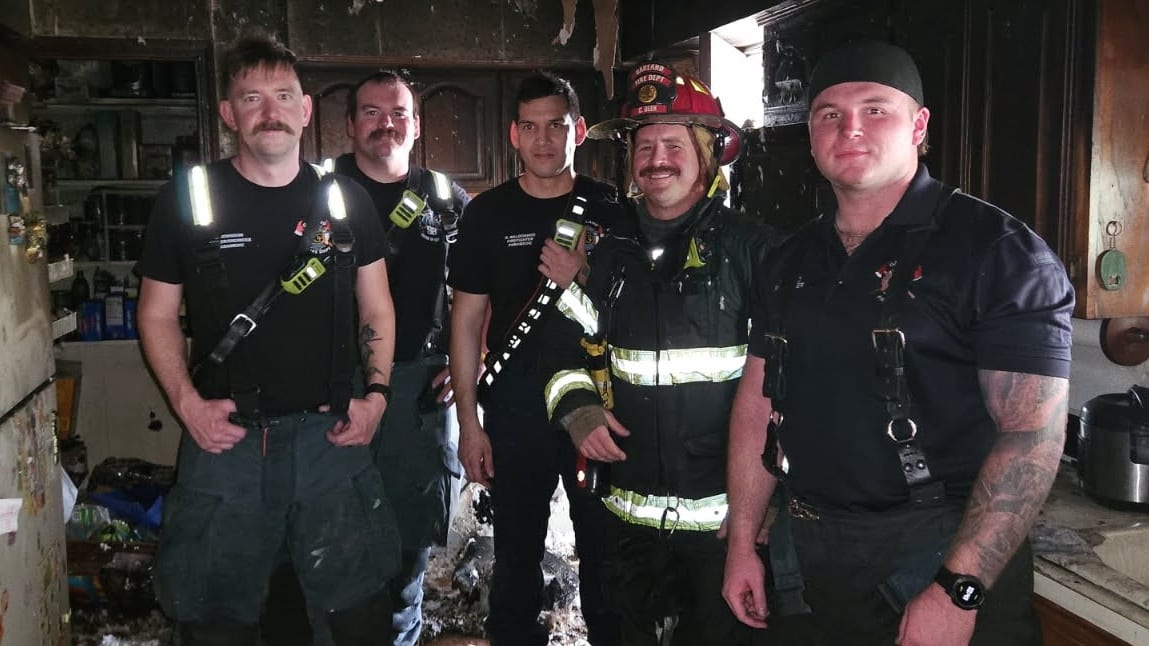
A firehouse’s identity is built through consistent, everyday behaviors lived out by rookies, senior firefighters, and officers alike
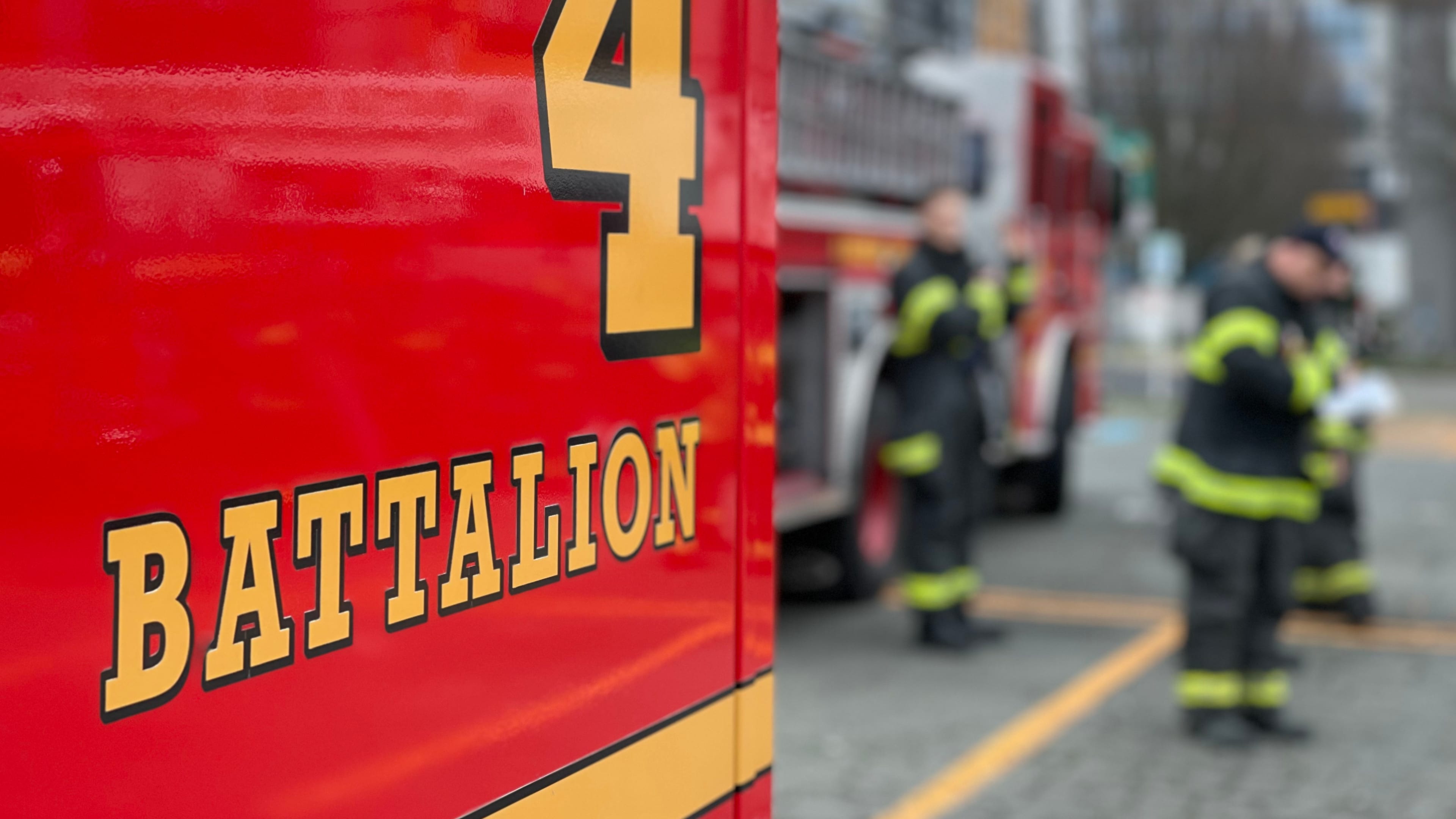
“The most dangerous assumption we make in the fire service is that every fire problem has the same solution.”
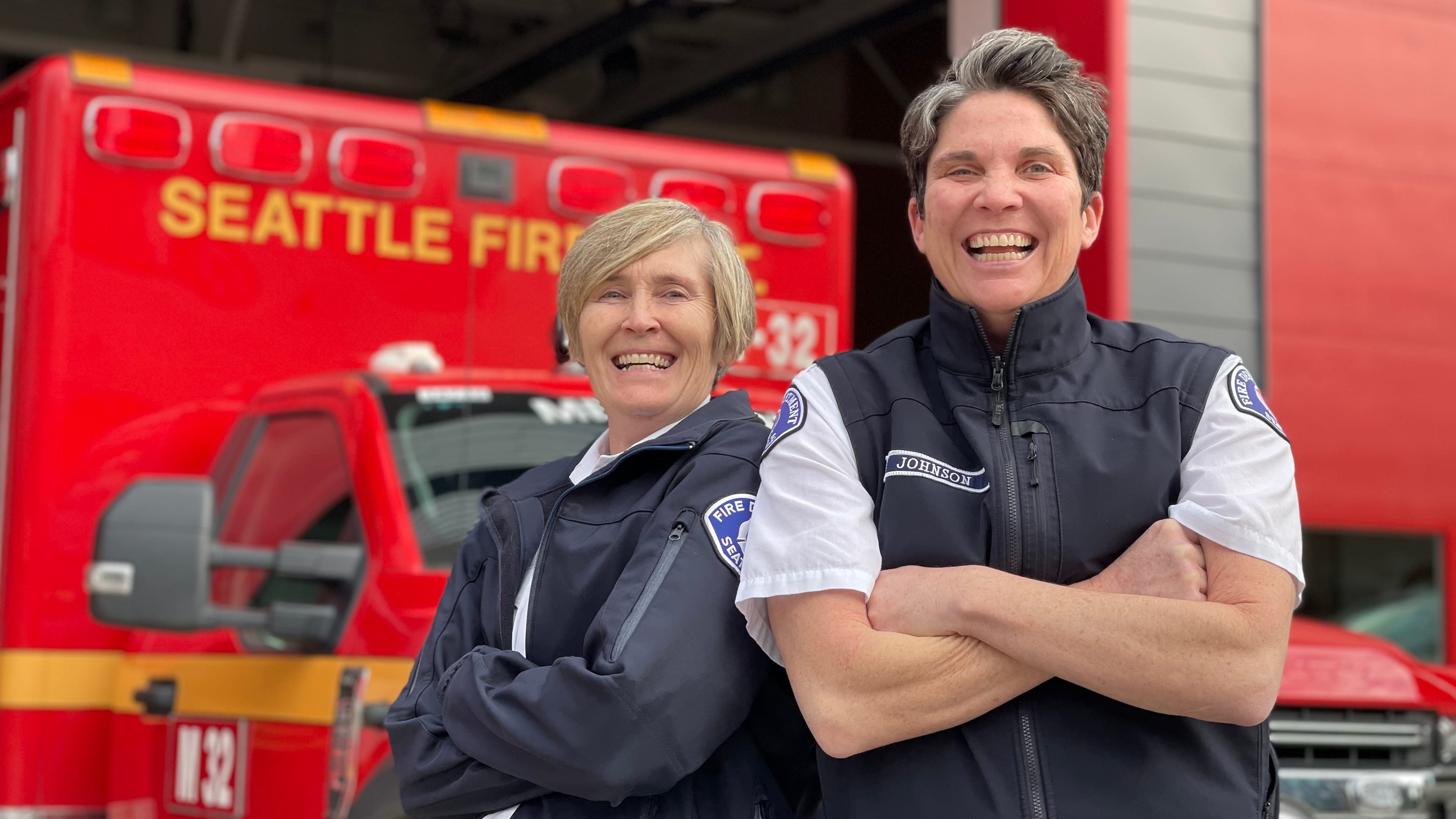
We have an opportunity every day to be inspired, but we also have some ownership in finding it.
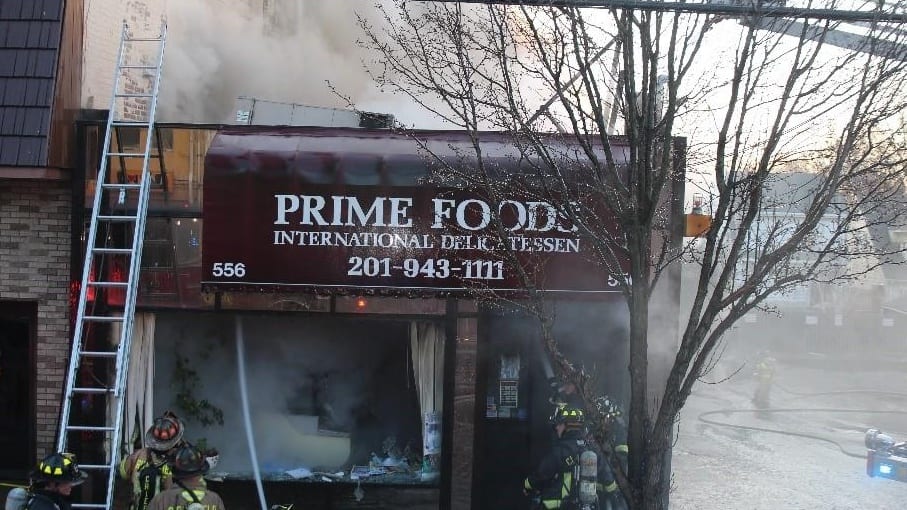
Heavy roof loads and cockloft fire demand early roof reports, decisive command, and timely withdrawal.
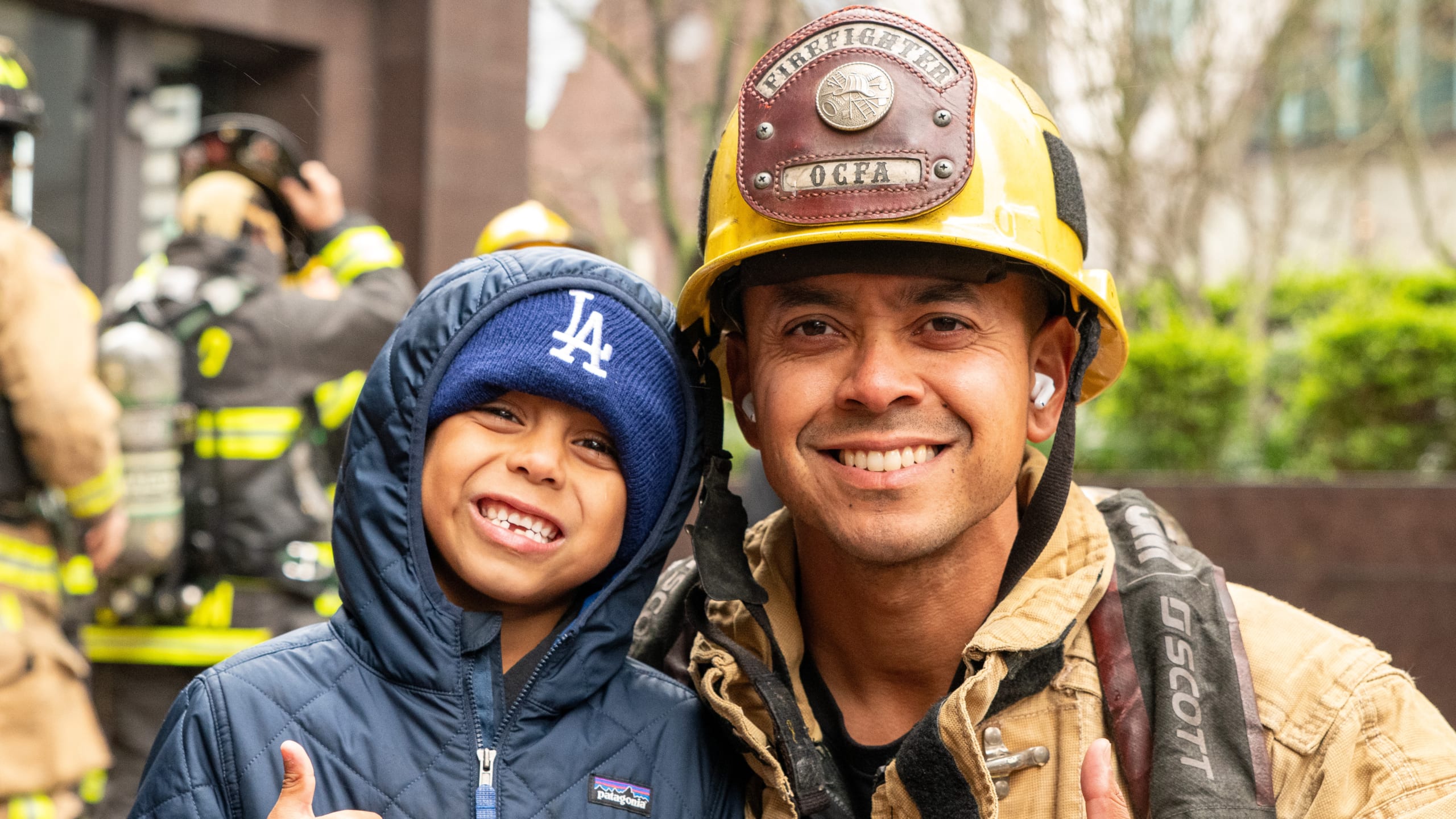
In the fire service, legacy is earned through character, mentorship, and the values that outlive every career.