Loading…
All · Career & Leadership · Culture · Dispatch · Finance · Fire Service Culture · Fitness · Health · Health & Wellness · Leadership · Lifestyle · Mental Health · Nutrition · Relationships · Spotlight · Stress · Wellness

Where do you stand?
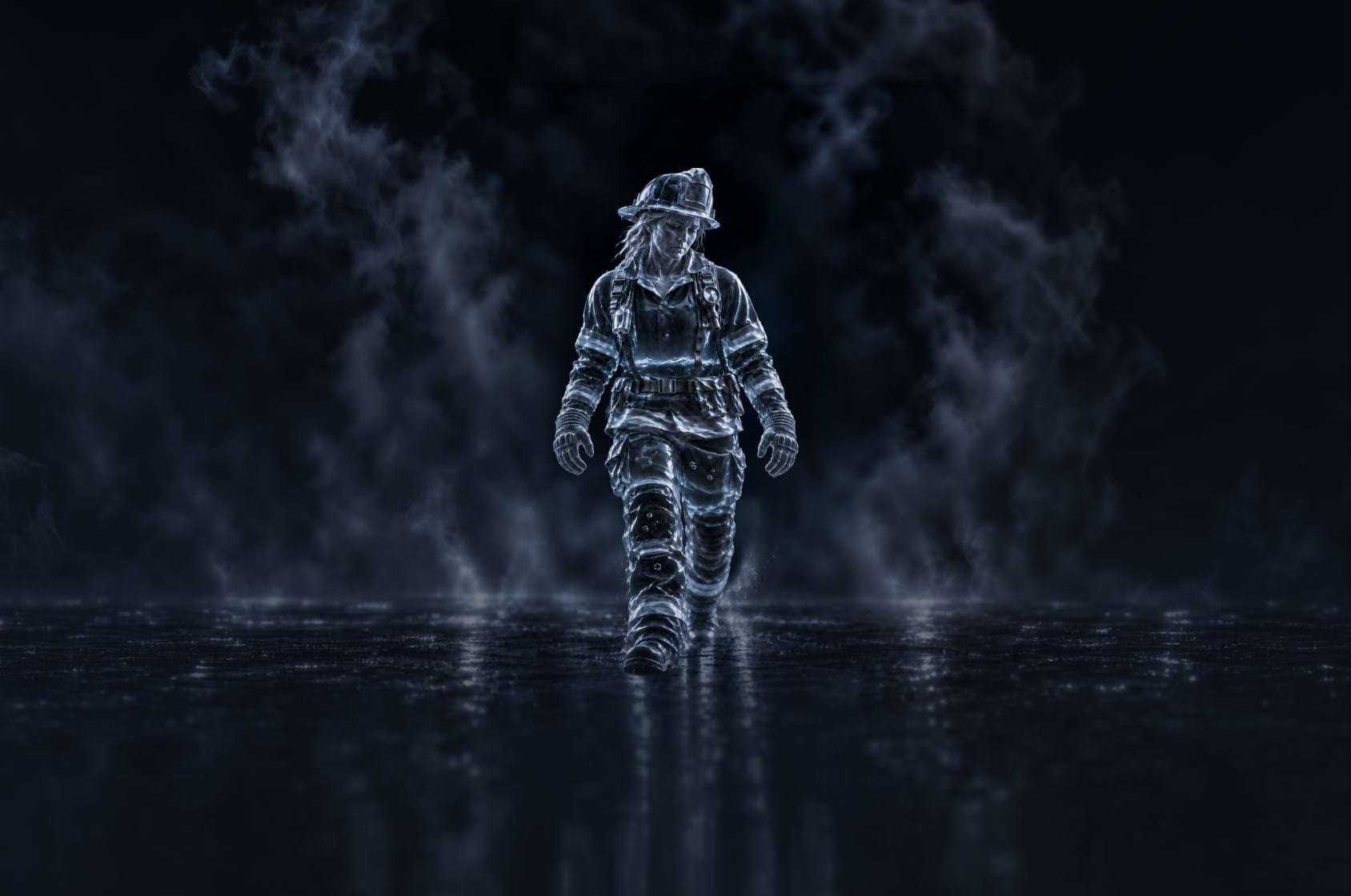
Somewhere around the second bottle, the fire starts collecting its payment.

A monthly column from the Health & Safety Leadership Alliance in partnership with CRACKYL
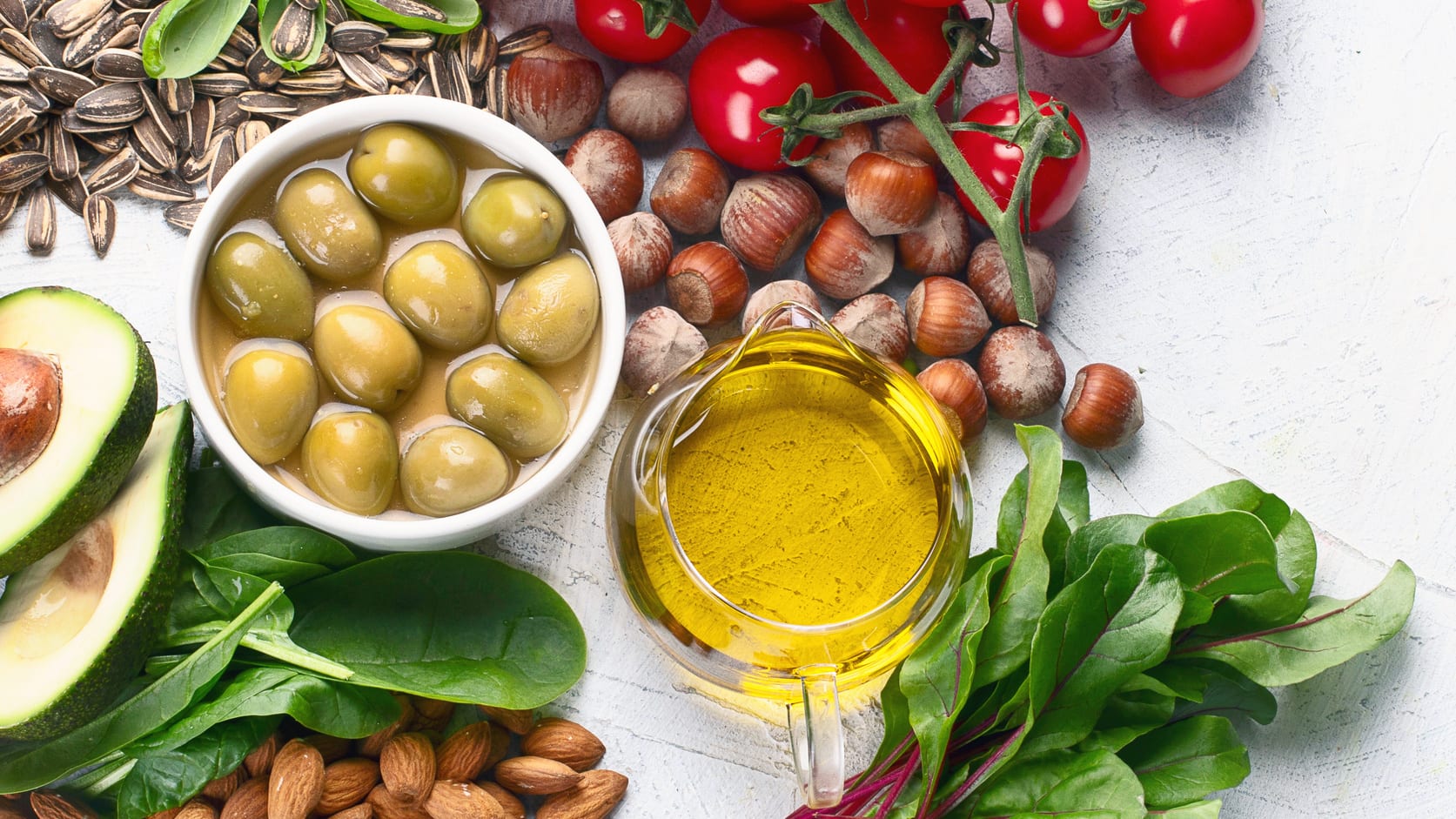
How high-phenolic nutrition and Blue Zone habits extend your career
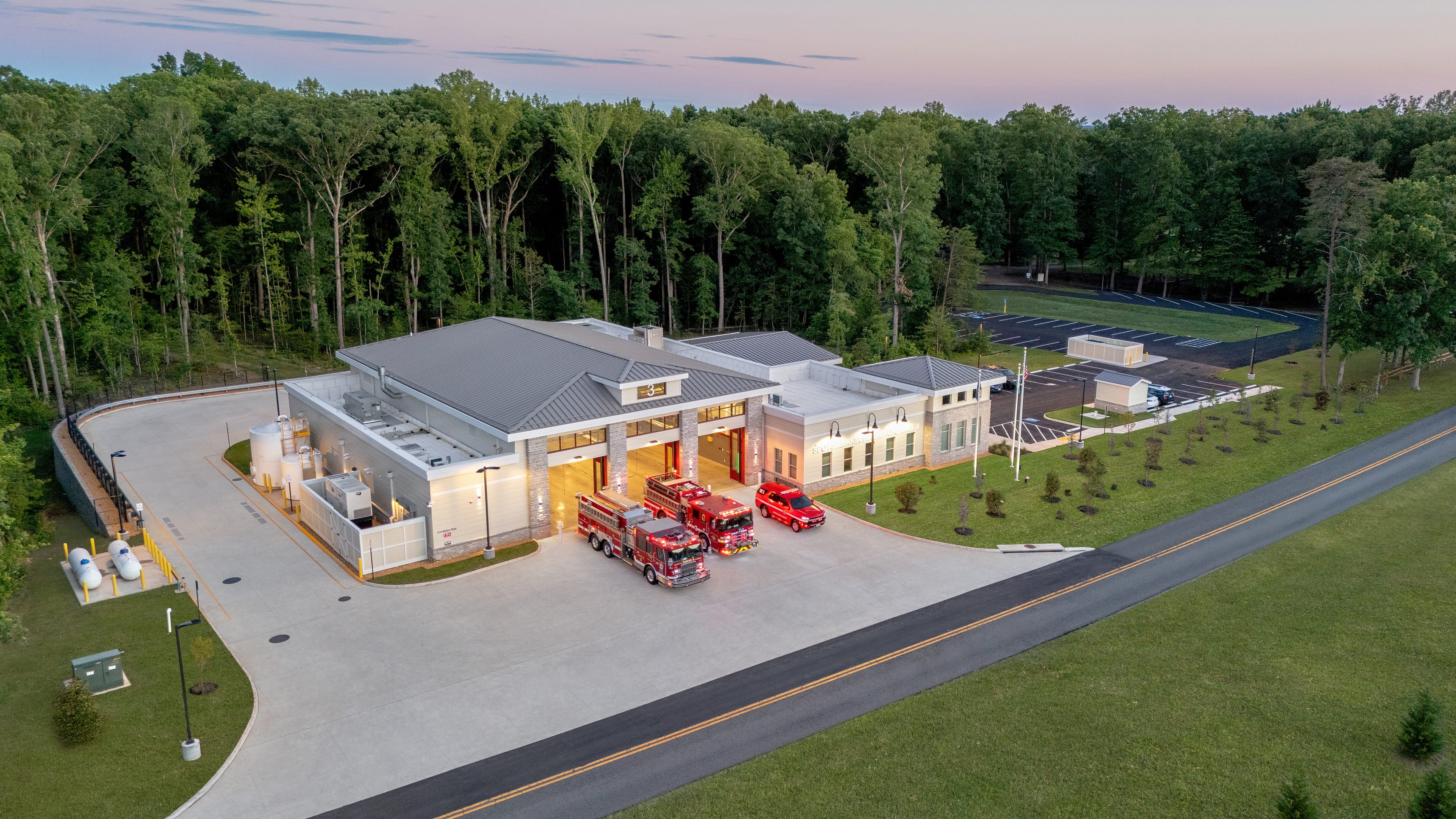
Prototype fire station design delivers long-term cost, planning and operational efficiencies while adapting to the unique needs of each site

The science is complex, the answers are evolving, and understanding how firefighter exposures interact may be one of our most important tools for reducing cancer risk
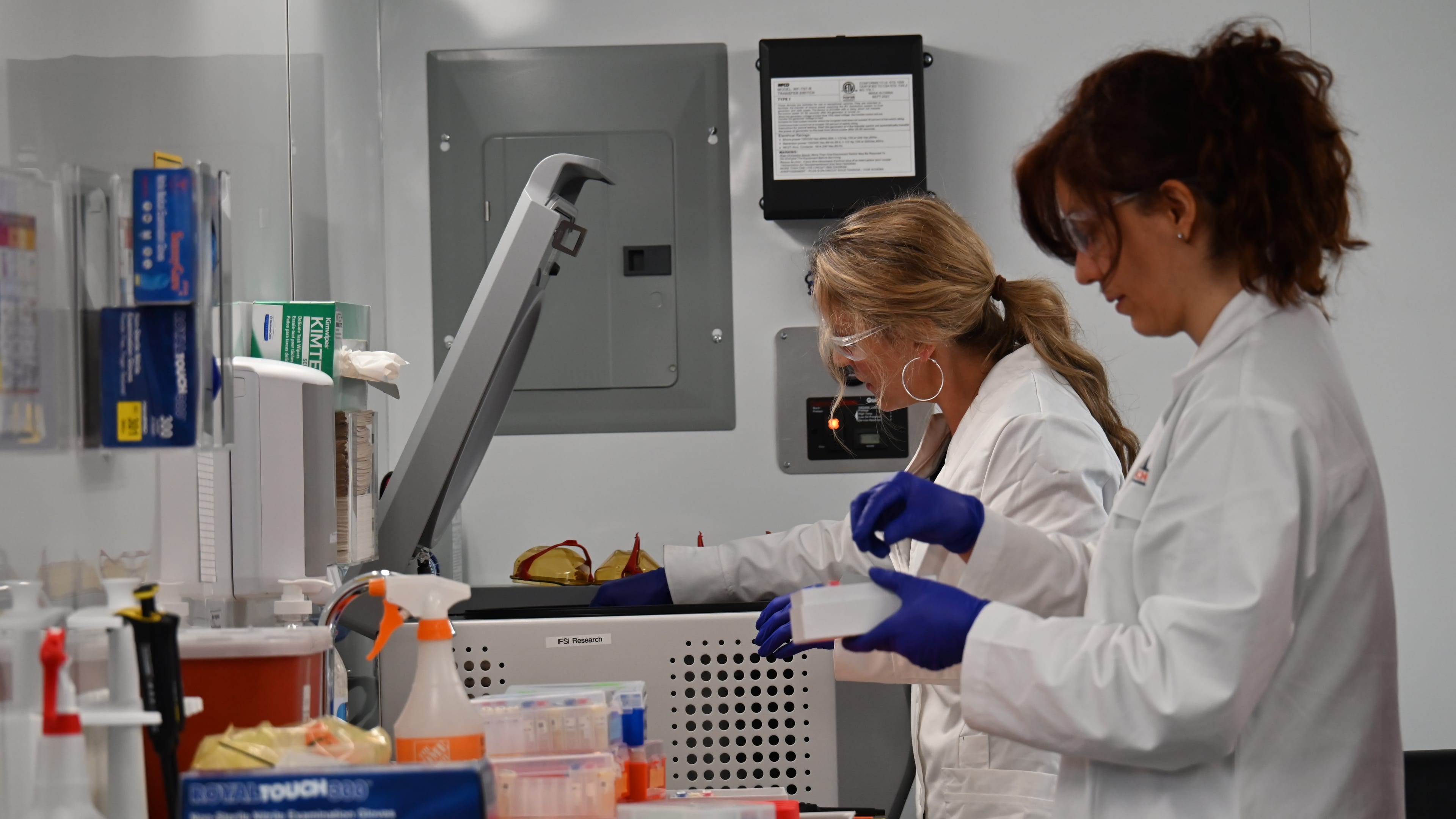
Firefighters face a complex and often unpredictable combination of chemicals on the fireground, highlighting how much remains unknown about the combined effects of occupational exposures
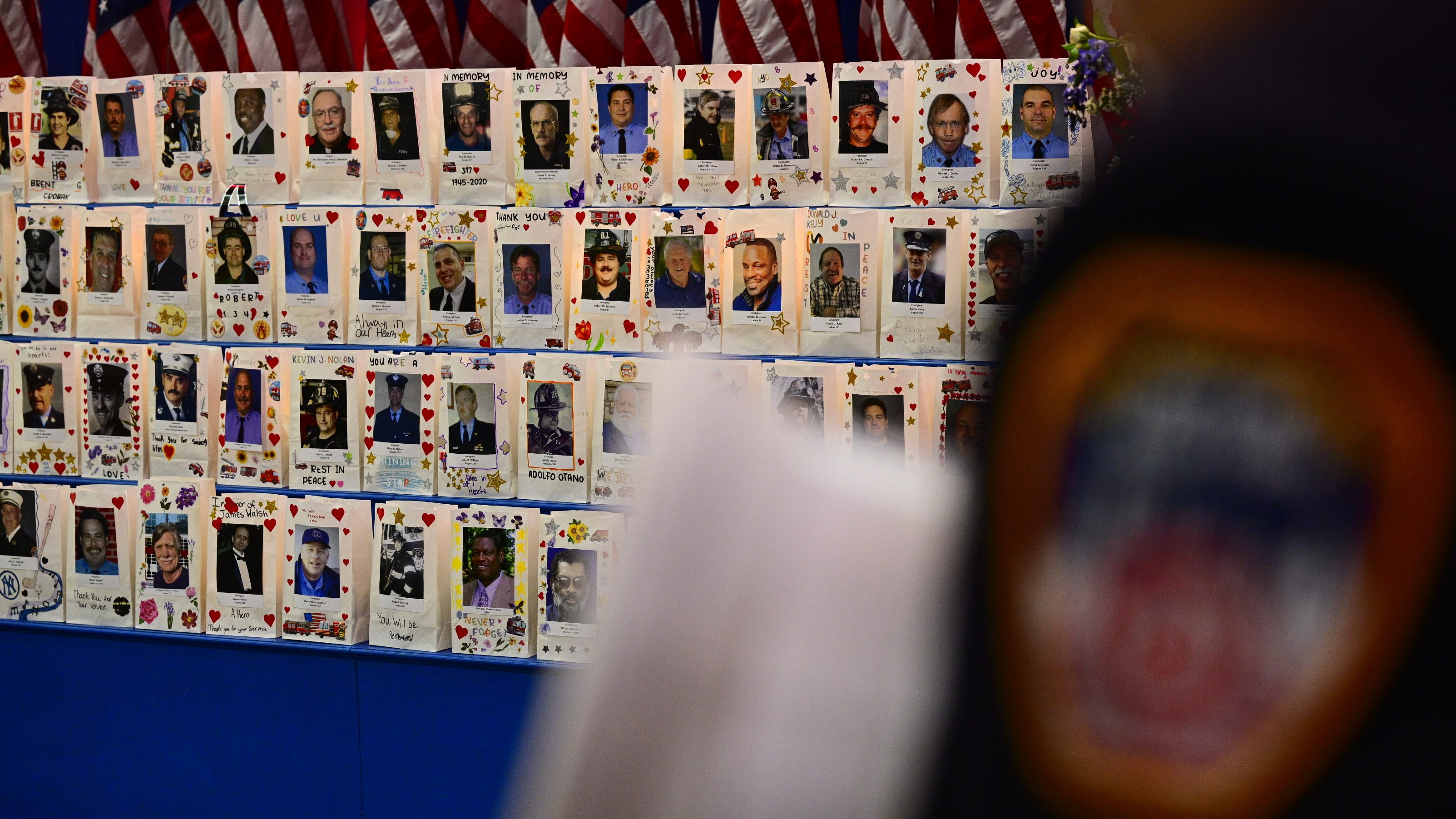
”Keep Fighting” is an exclusive CRACKYL content series from the National Fallen Firefighters Foundation (NFFF) aimed at educating the fire service through first-hand accounts
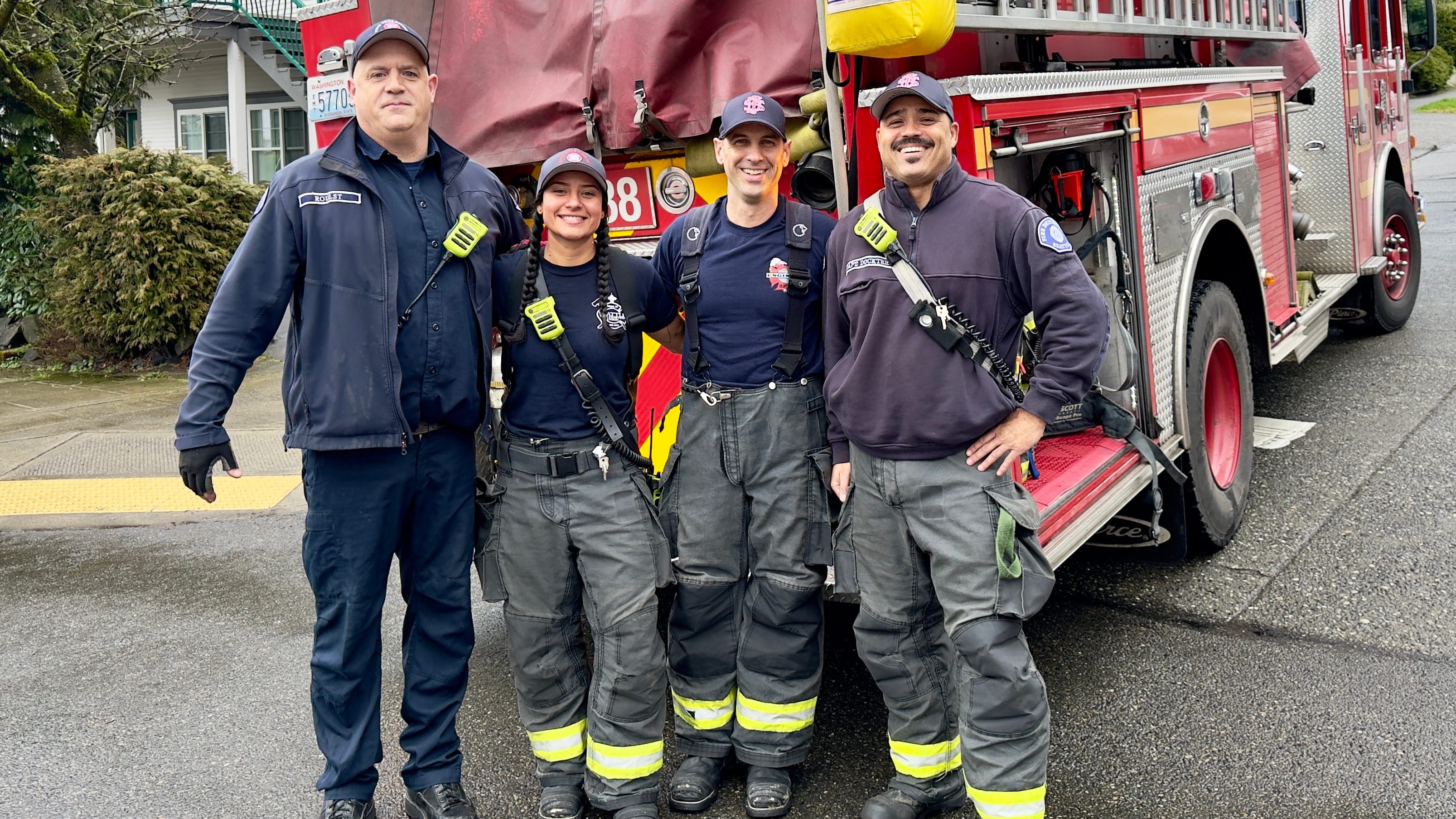
New partnership brings together two organizations committed to strengthening the health, wellness and lives of firefighters and their families

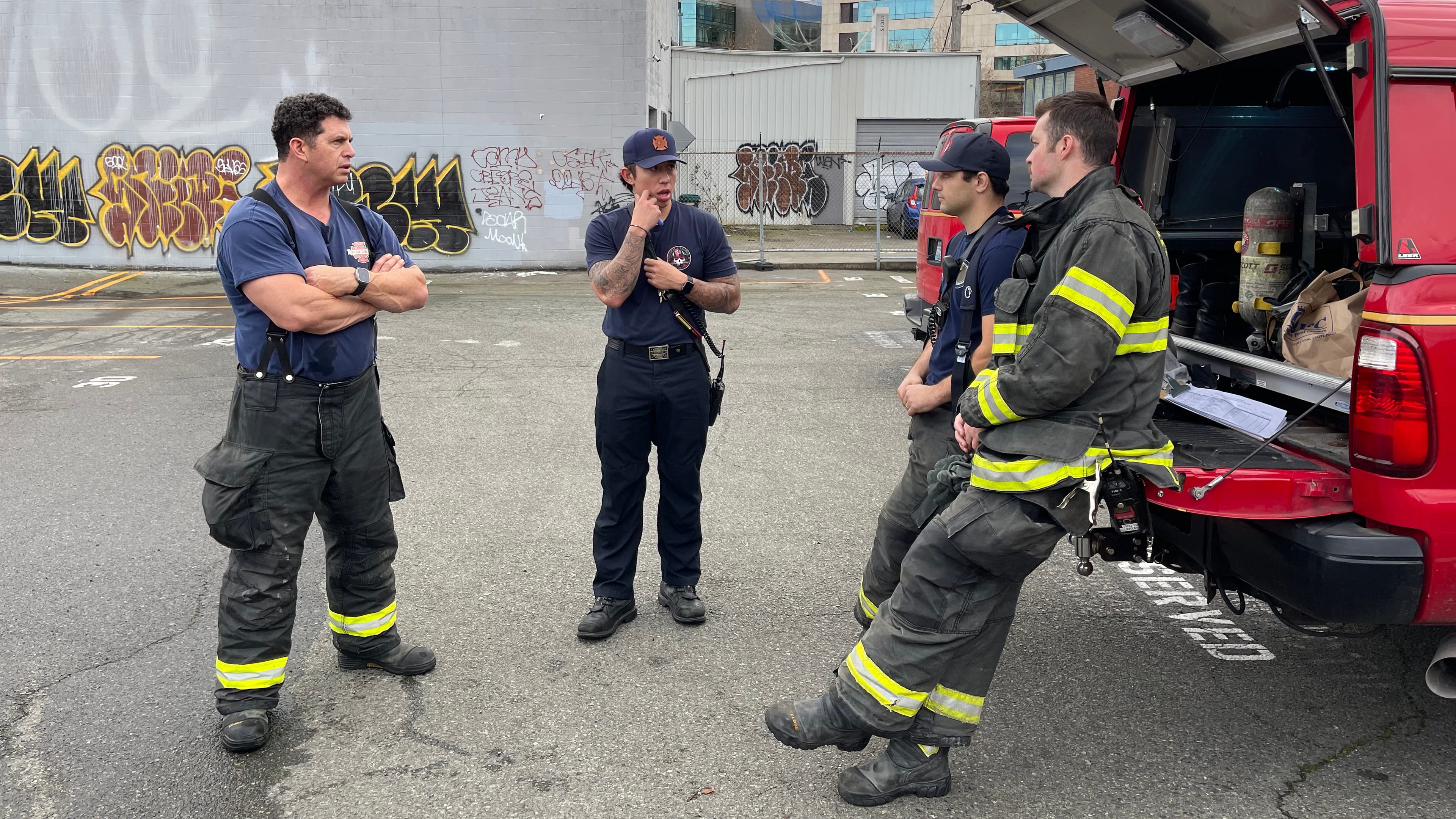
'I am strong. I know I can carry and move that kind of weight. Even though I felt capable, my body was operating under a completely different system'
Sponsored content

Sponsored content

When your mind starts building a case, the challenge is learning to question the evidence it collects

An inexpensive, overlooked vitamin may hold surprising potential for public health
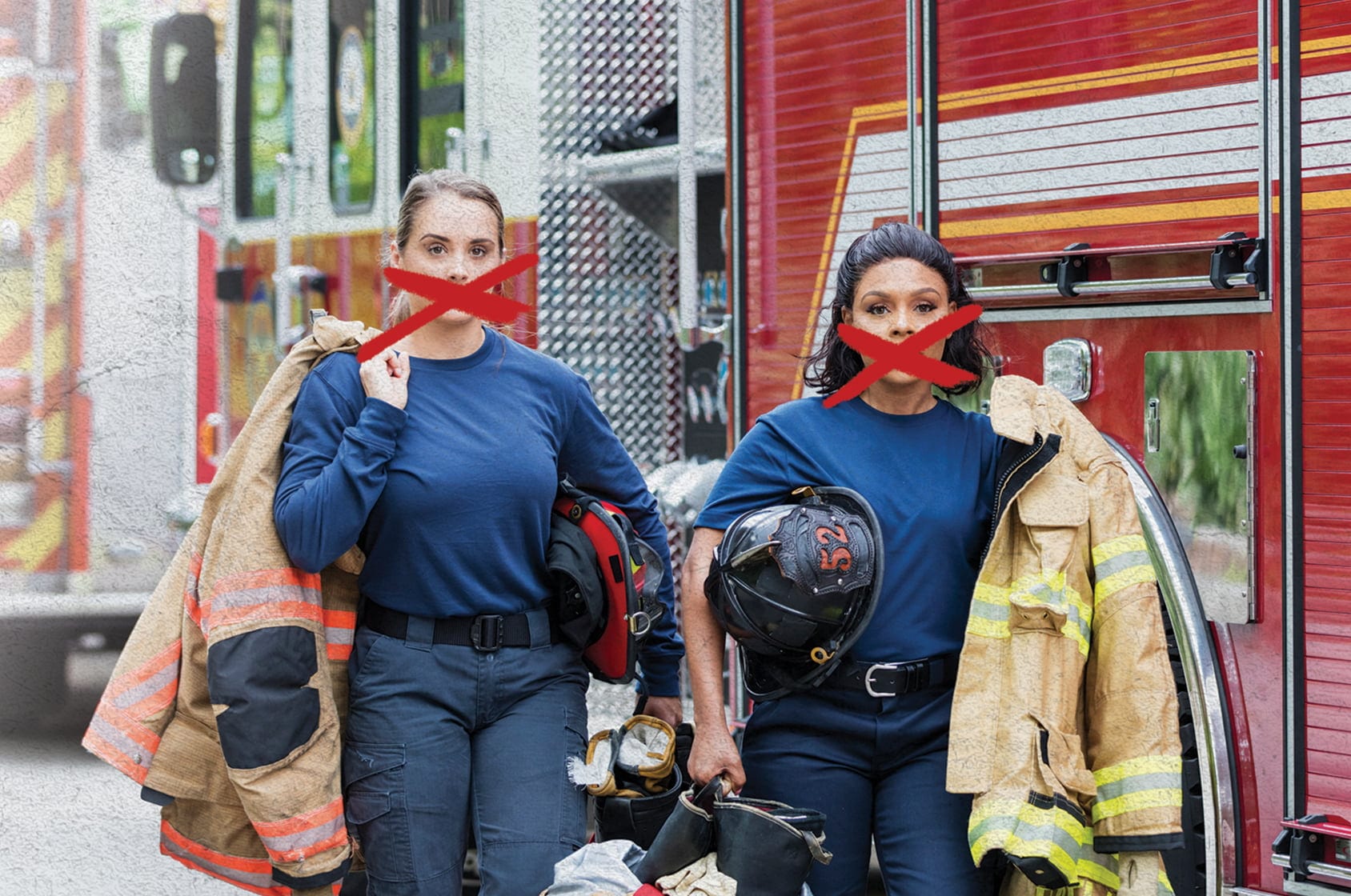
Many women learn to perform belonging before their first shift. Years of self-editing take a toll the body treats as a threat, and the research explains why.

Recognizing the difference between motivating and harmful pressure is essential to protecting our crews.

The job already does enough to break you down. Your training should build you up.
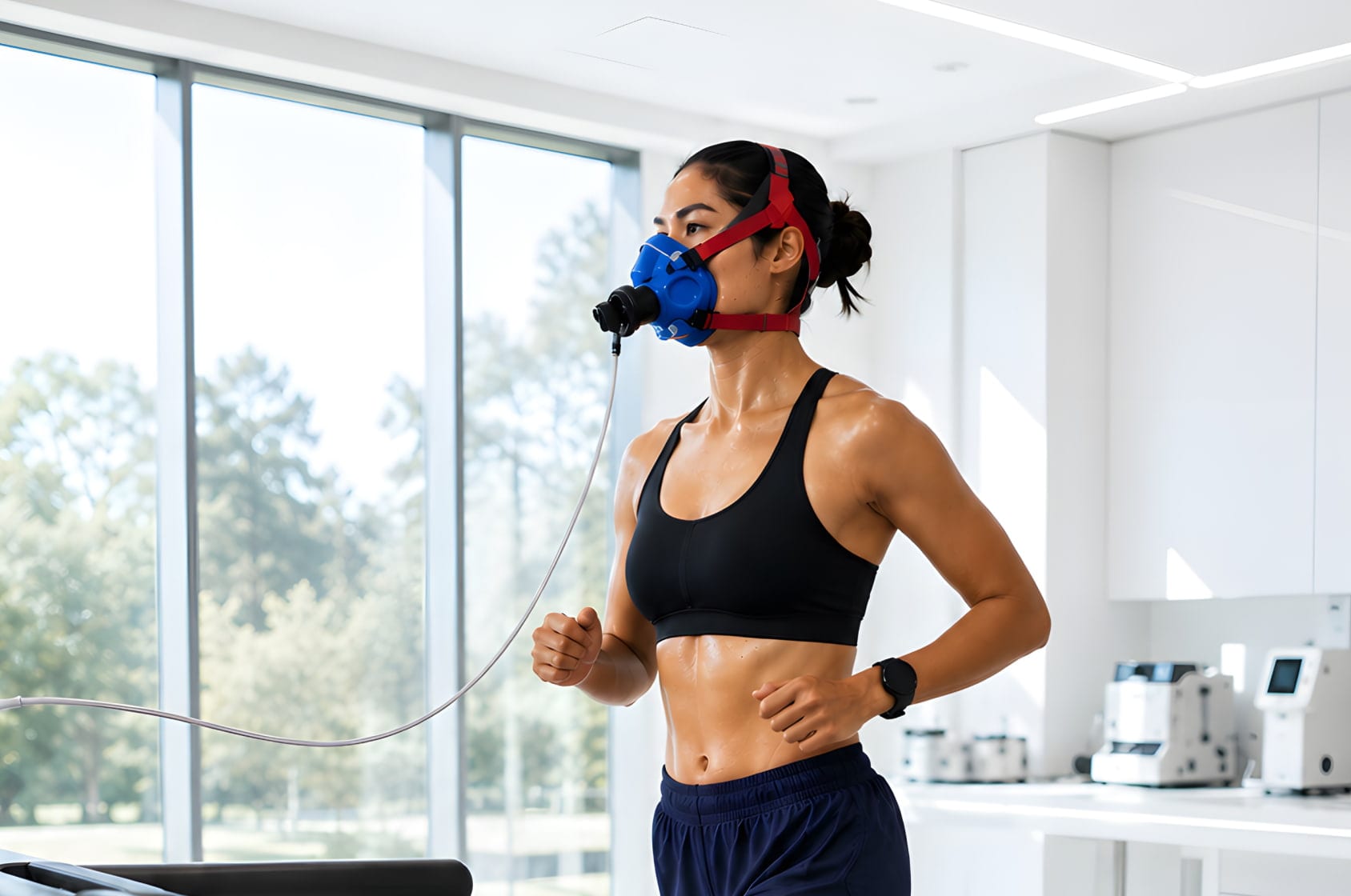
Boost VO2 max through targeted training and nutrition to reduce cancer risk and improve overall health.

Heat, shift work, pregnancy, and menopause can affect a woman’s body differently. Understanding that physiology is part of being operationally ready.

Going from command to caregiver in the same hour takes more than the drive home. A two-decade Baltimore City Fire Department veteran on making that transition on purpose.

Why well-funded programs fail, why firefighters don’t use them, and what leaders must do differently to build systems that work
Delayed reporting can ruin a firefighter's workers' comp claim—and how to protect your health and career with early, detailed documentation

What it actually takes to come off fight mode.
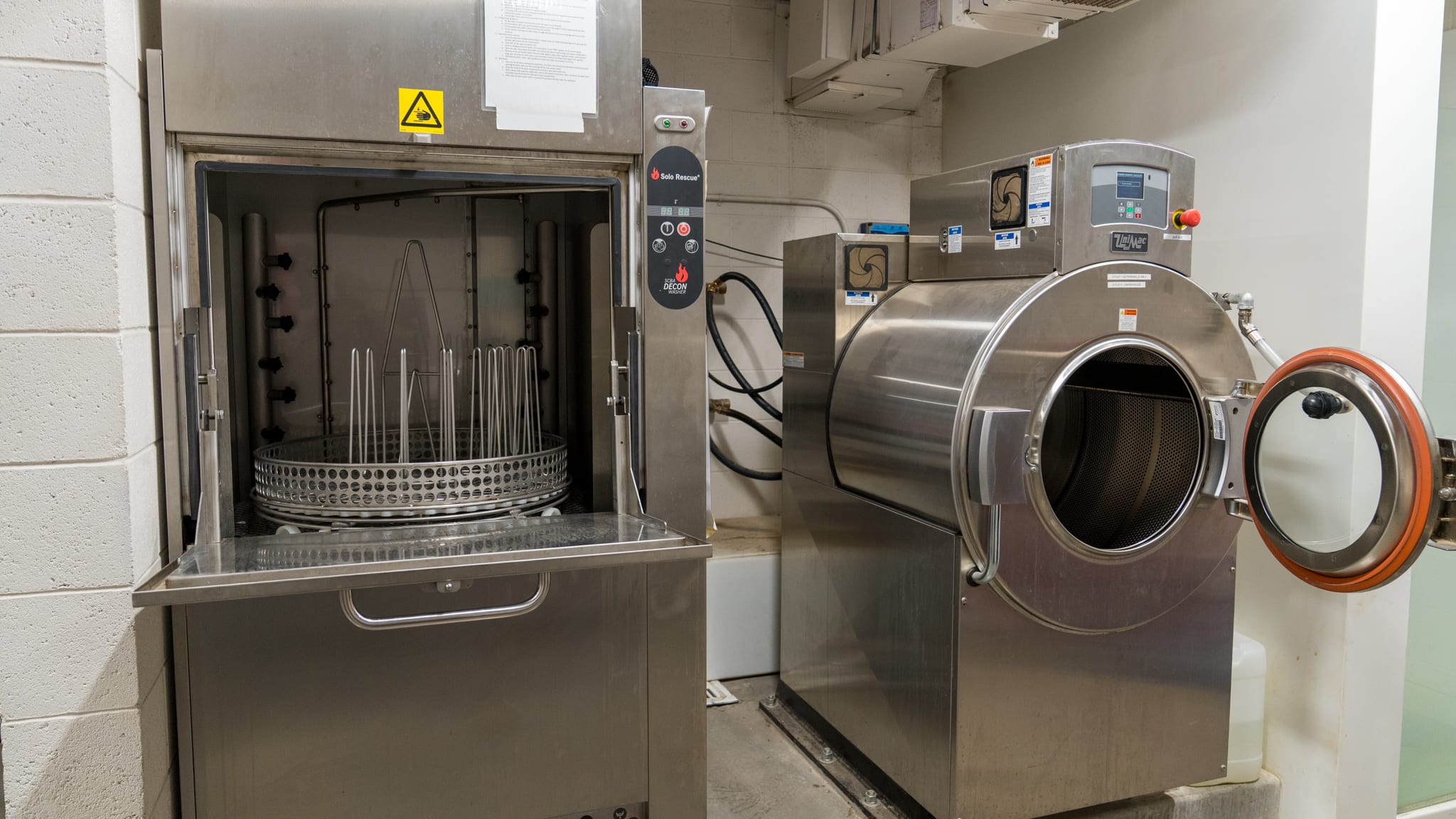
What happens between the fireground and the next call