Loading…
All · Career & Leadership · Culture · Dispatch · Finance · Fire Service Culture · Fitness · Health · Health & Wellness · Leadership · Lifestyle · Mental Health · Nutrition · Relationships · Spotlight · Stress · Wellness

It’s one thing to have a partner who learns about the fire service secondhand, but what about the homes with two first responders and not enough barriers between them and the job?
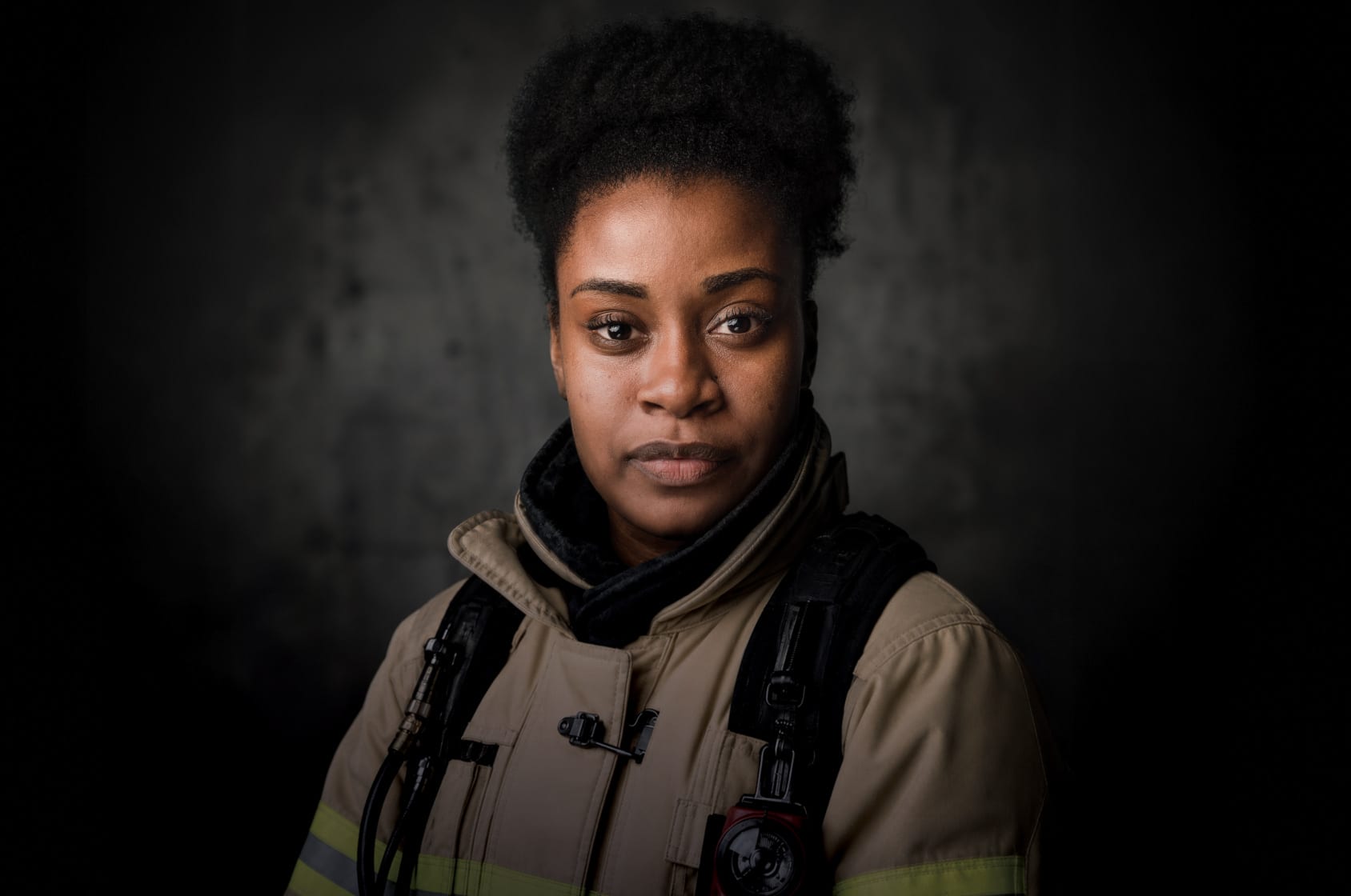
The fire service needs leaders who lead with authenticity. Not with the loudest voice in the room.

Belonging isn’t the same as being heard. The better question is whether a crew can use what every capable member sees.
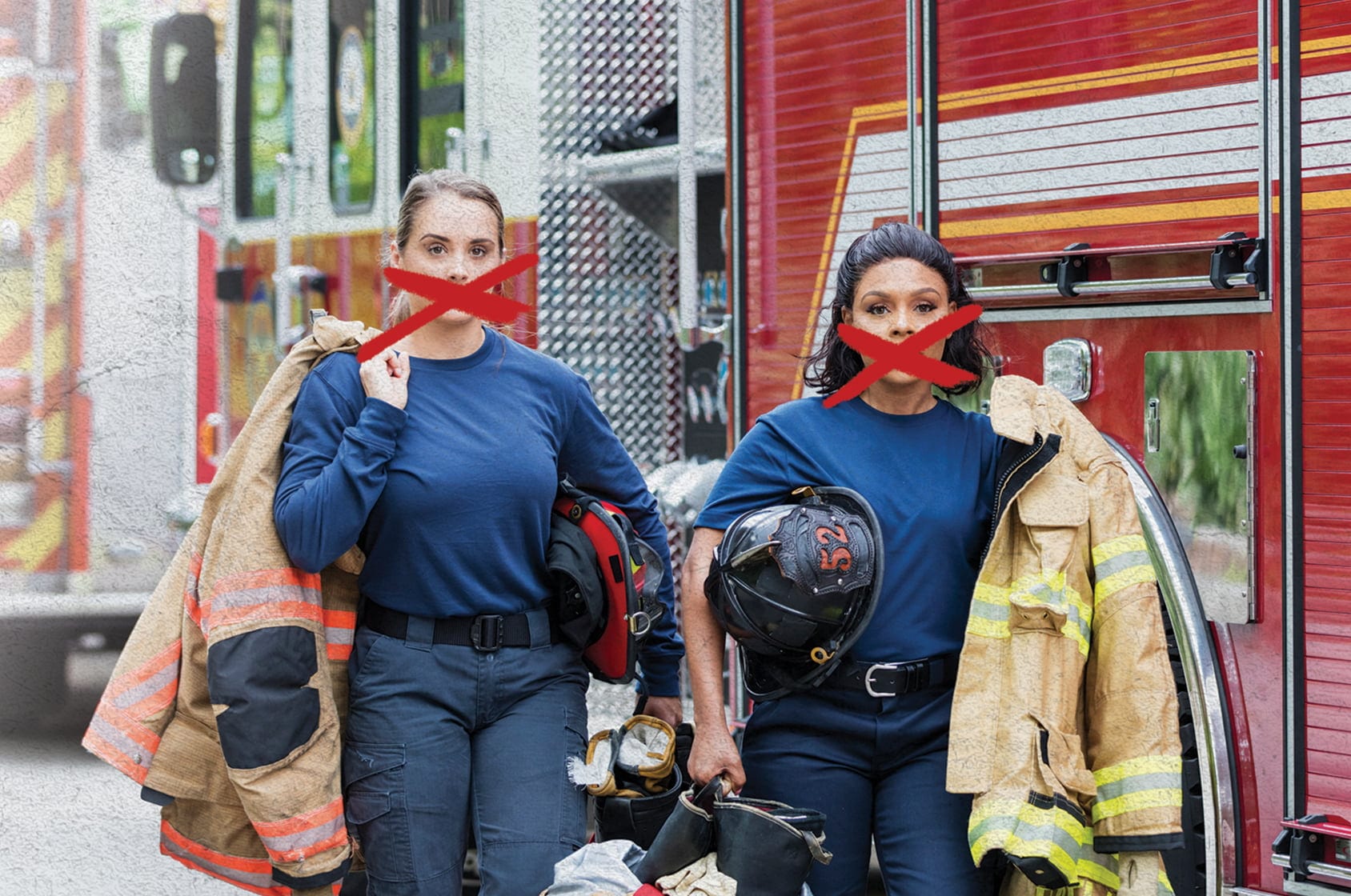
Many women learn to perform belonging before their first shift. Years of self-editing take a toll the body treats as a threat, and the research explains why.

Recognizing the difference between motivating and harmful pressure is essential to protecting our crews.

The job already does enough to break you down. Your training should build you up.
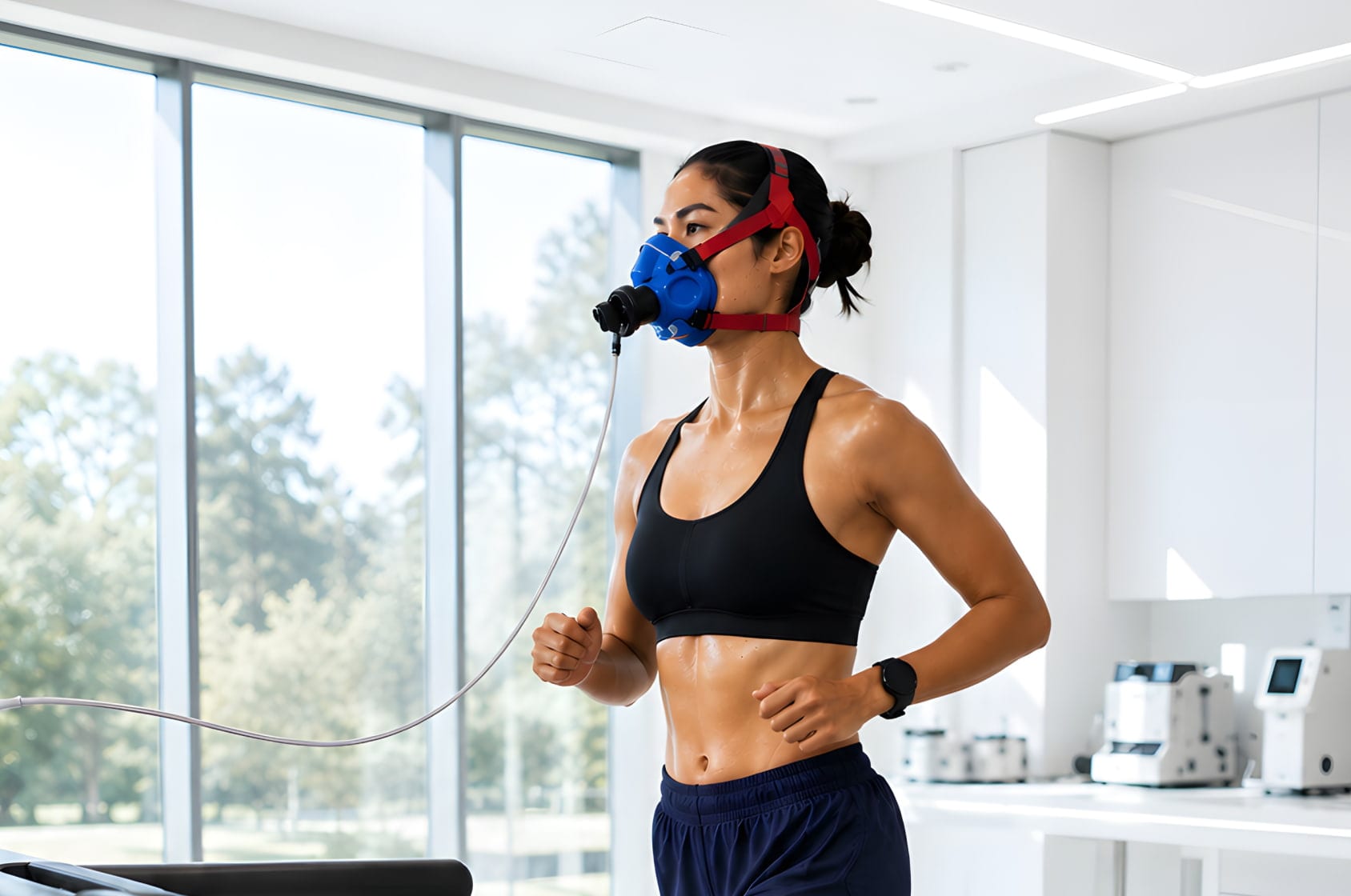
Boost VO2 max through targeted training and nutrition to reduce cancer risk and improve overall health.

Heat, shift work, pregnancy, and menopause can affect a woman’s body differently. Understanding that physiology is part of being operationally ready.

Going from command to caregiver in the same hour takes more than the drive home. A two-decade Baltimore City Fire Department veteran on making that transition on purpose.

The fire service was built to read smoke. As more of its calls become human crises, the women joining its ranks may be well placed to help it read people.
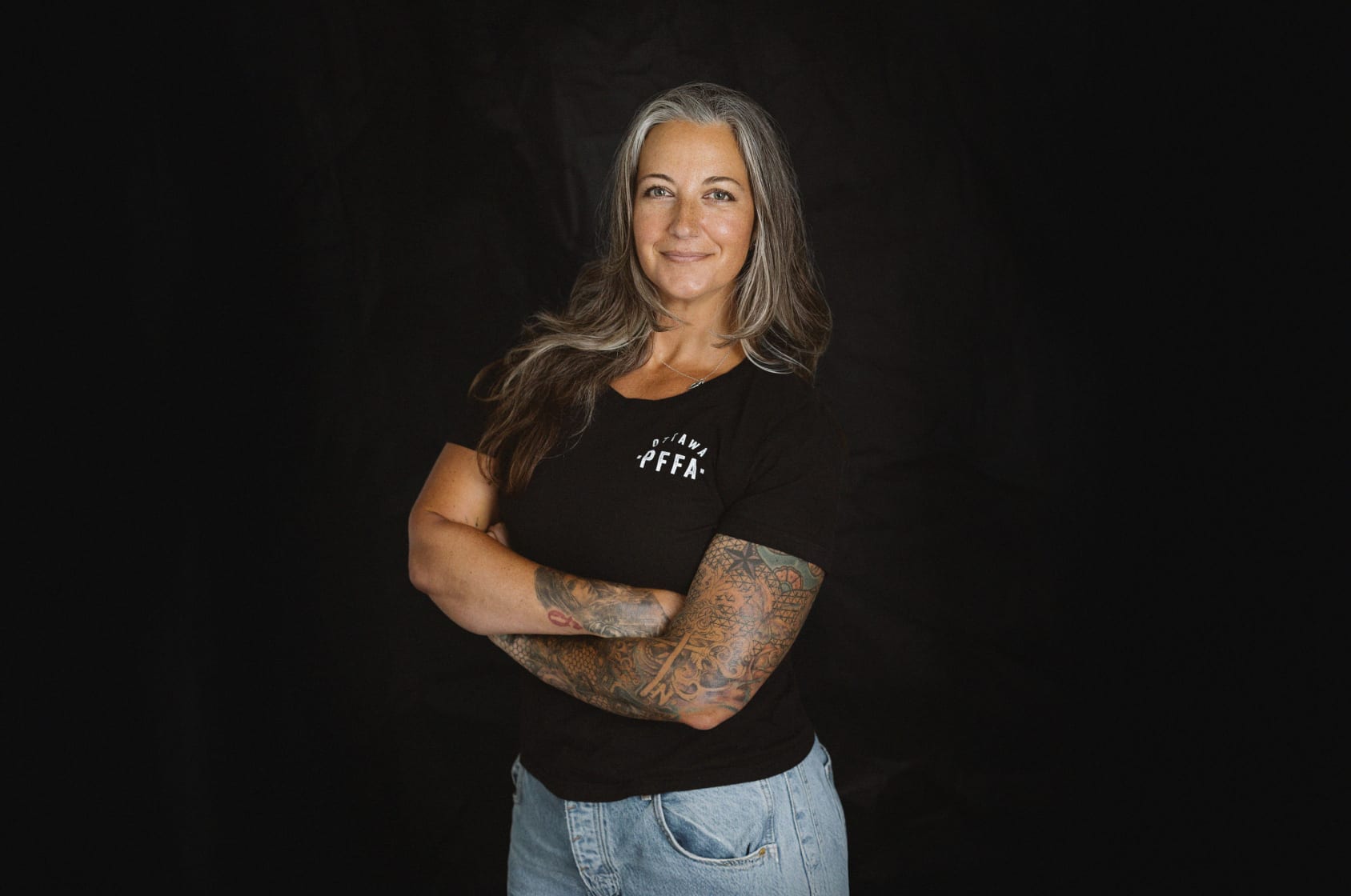
Genna McMillan believes the strongest firefighters are not the ones who give everything away, but the ones who learn how to protect enough of themselves to keep making a difference.
Fire departments have more wellness resources than ever. The next challenge is connecting peer support, clinicians, EAPs and leadership into one coordinated system
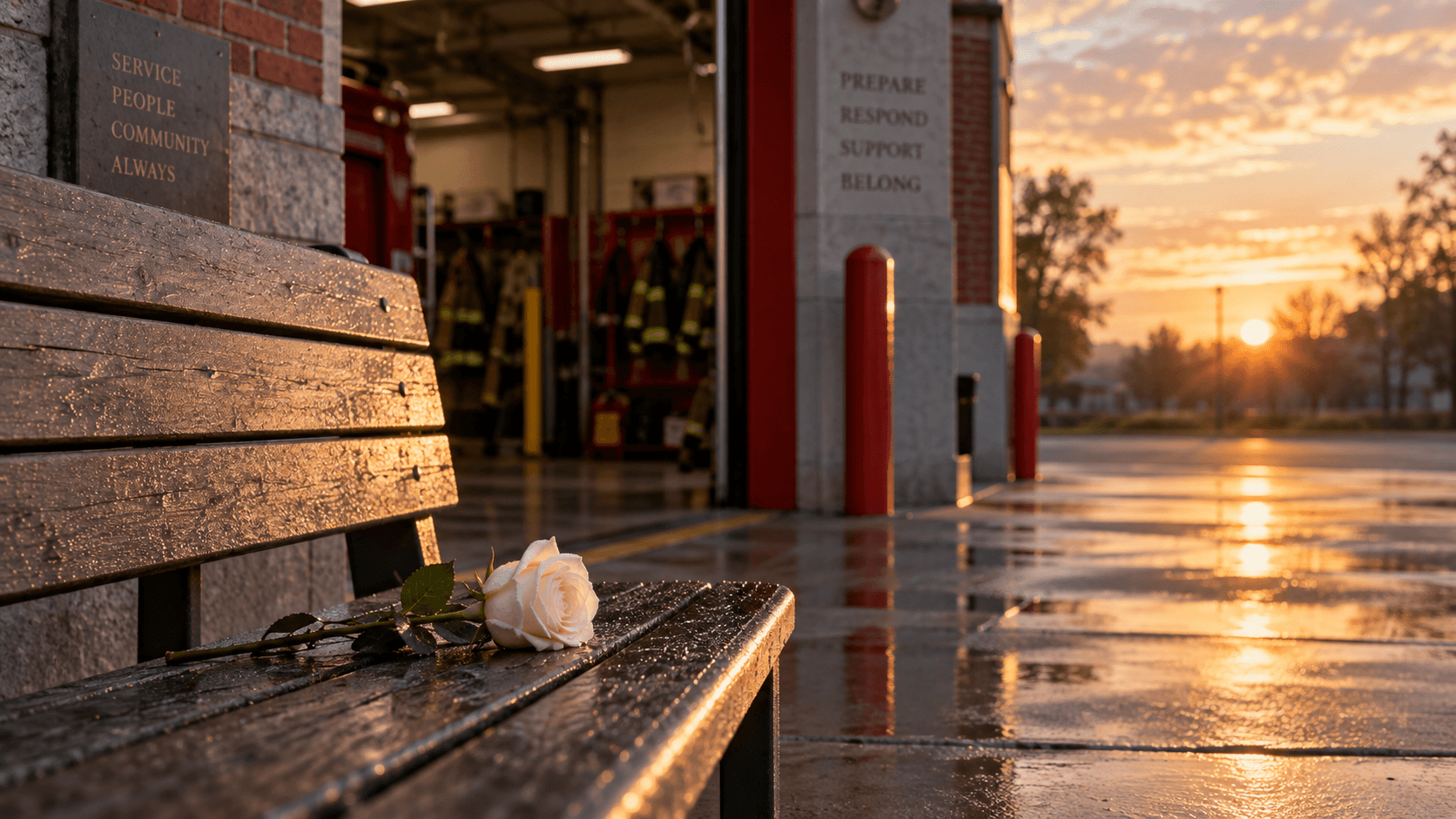
We can move forward, find happiness, and still choose never to forget


On the 25th anniversary of 9/11, the fire service remembers the lives lost, the lessons learned, and the responsibility to carry them forward
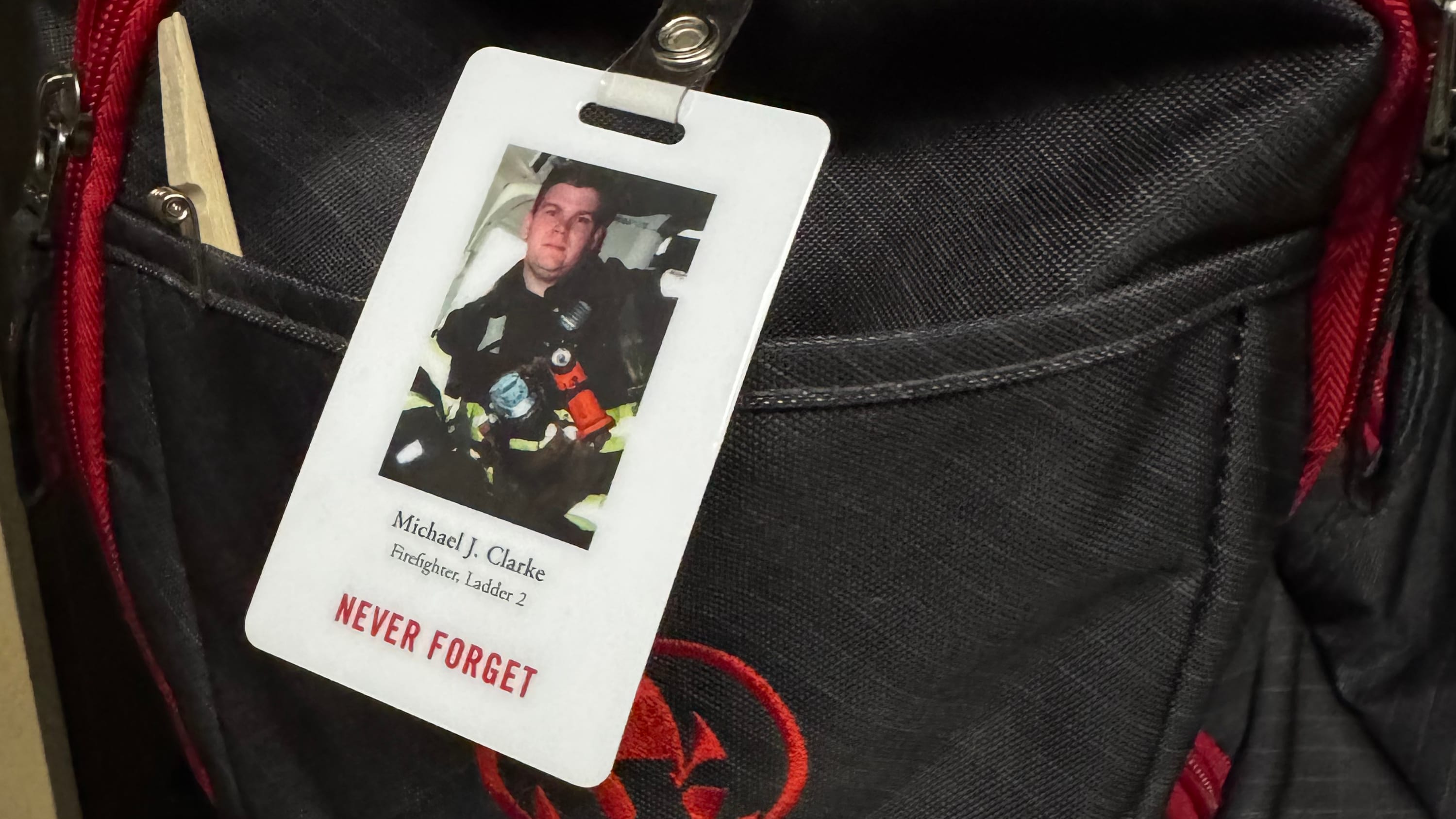
How one FDNY firefighter became part of my story at the Pierce Manufacturing 9/11 Memorial Stair Climb
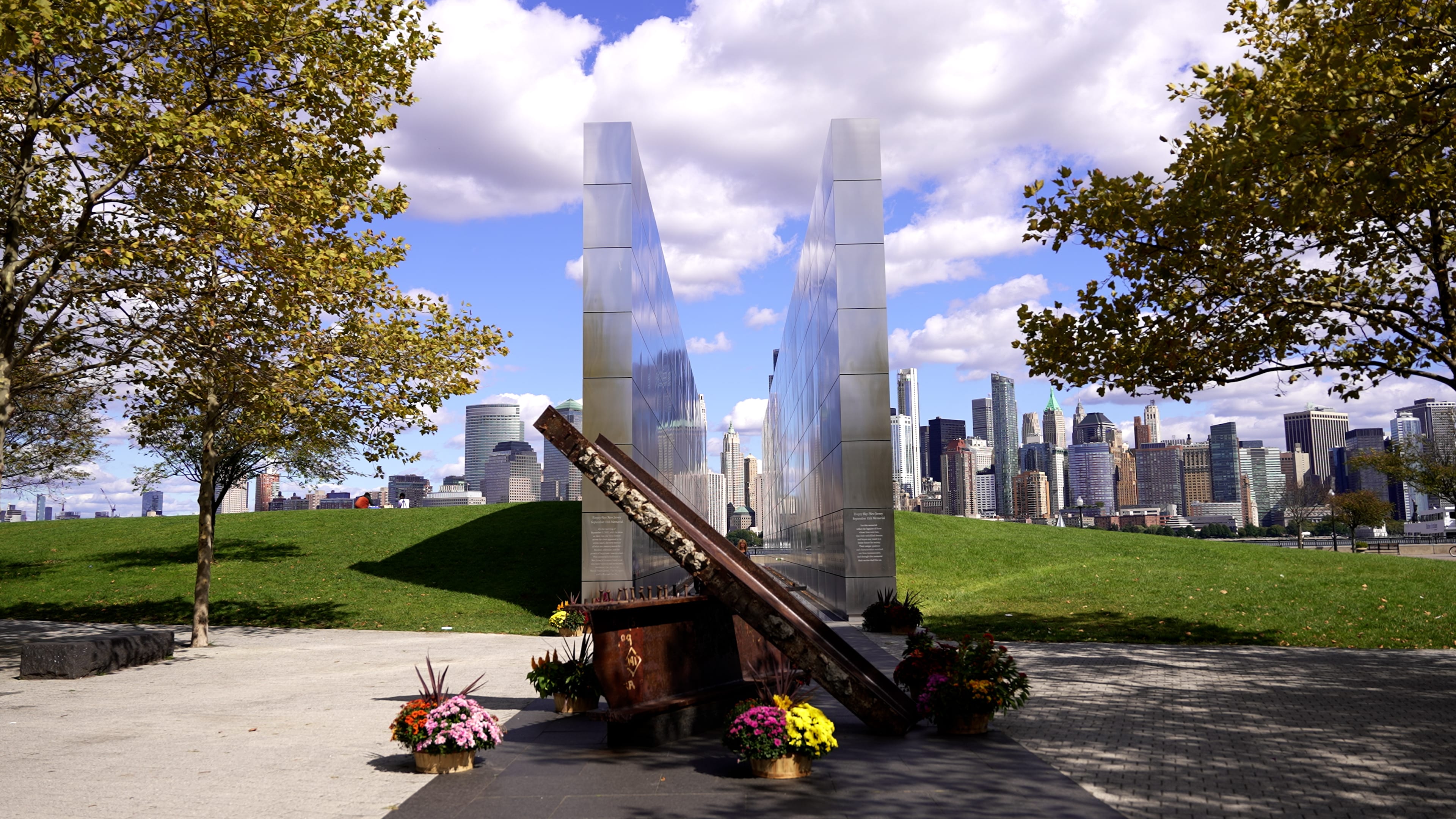
The Heroism and Resiliency of 9/11 captures something deeper than individual bravery: the force that gathers people into a collective response when human survival is at stake